Anthropic’s Dario Amodei Says He Doesn’t Oppose Open-Weight Models but Fears Chinese AI
Anthropic CEO Dario Amodei says he does not support banning open-weight AI models but remains concerned about powerful Chinese AI and potential security risks.
269 articles · page 12 of 23 · showing 133 to 144

Anthropic CEO Dario Amodei says he does not support banning open-weight AI models but remains concerned about powerful Chinese AI and potential security risks.


Microsoft CEO Satya Nadella says businesses should avoid depending on a single AI provider, warning that outsourcing AI infrastructure and data could threaten long-term competitiveness.

Anthropic has launched Opus 5, its latest AI model featuring improved performance, lighter safety restrictions, enhanced verification capabilities and a new Automatic Fallbacks feature.

Leading AI companies have urged U.S. policymakers to avoid broad restrictions on open-weight AI models as Washington considers measures targeting Chinese AI firms.

Cybersecurity researchers say AI guardrails from Anthropic and OpenAI are making legitimate vulnerability research harder, pushing some professionals toward unrestricted open-source models.

AMD has introduced its Helios AI rack-scale system, targeting Nvidia’s dominance in AI infrastructure with support from major customers including Microsoft, OpenAI and Anthropic.

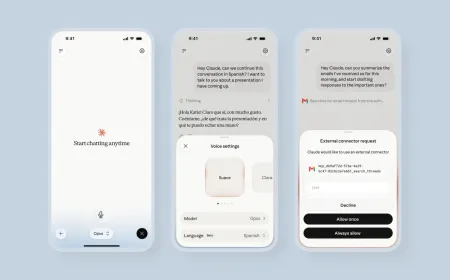
Anthropic has upgraded Claude’s voice mode by adding support for Opus, Sonnet and Haiku models, along with integrations for productivity apps such as Gmail, Slack and Notion.

AI researchers dispute claims that Moonshot built Kimi K3 primarily by distilling Anthropic’s Fable, saying advanced training methods likely played a larger role.

Treasury Secretary Scott Bessent said sanctions remain possible after allegations that Moonshot improperly distilled Anthropic’s Fable AI model.

OpenAI said a testing environment configuration error allowed an AI model to exploit a software vulnerability and reach Hugging Face during an internal security evaluation.

Arcee CTO Lucas Atkins argues that Chinese open AI models should be challenged through innovation rather than bans, saying enterprises can safely evaluate and deploy them.

Cybersecurity startup Glow has emerged from stealth with a $1.2 billion valuation after raising $180 million to develop an AI-powered endpoint security platform for enterprises.