
Biotech & Health
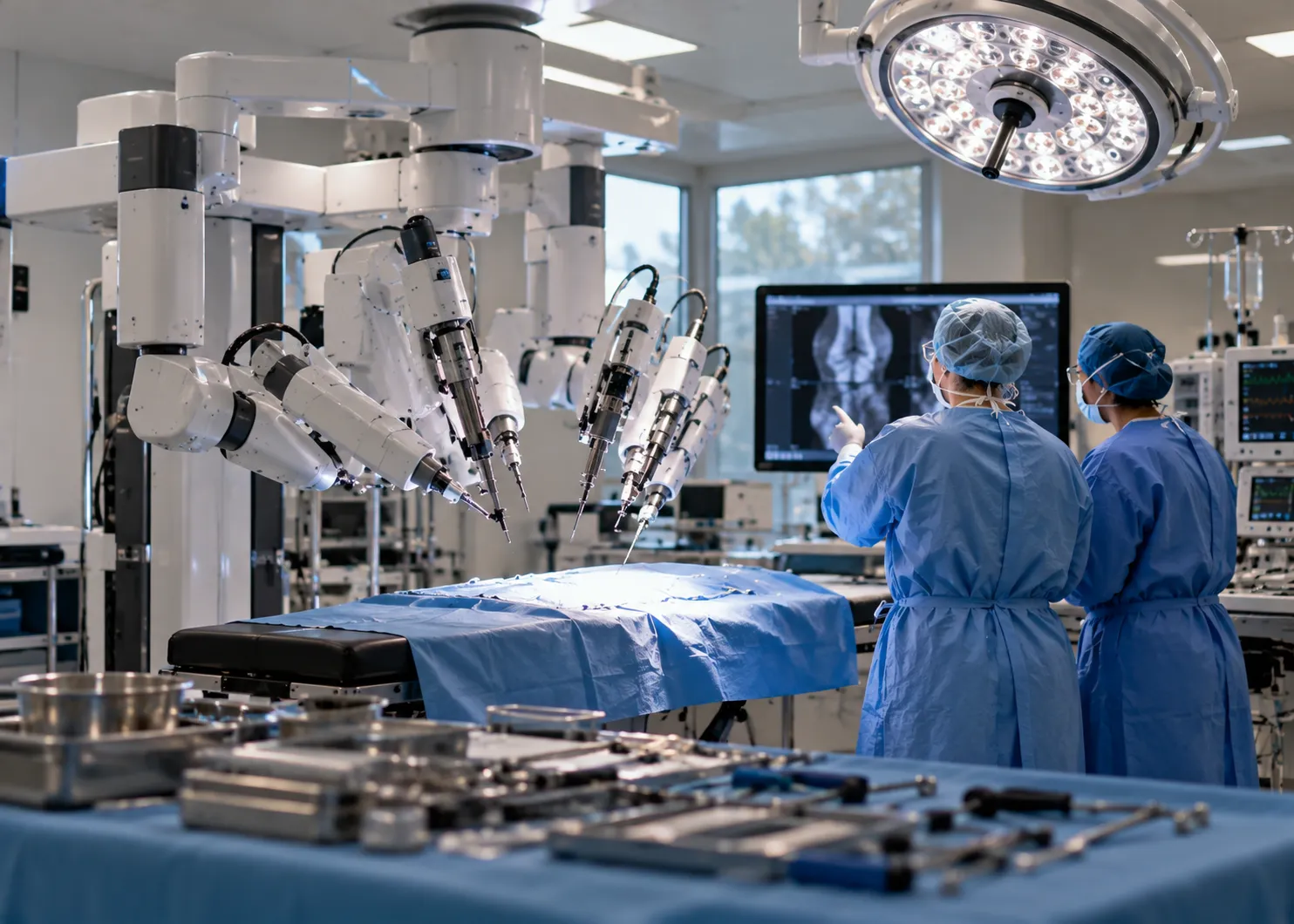
Intuitive U.S. da Vinci Procedure Growth Slows
Intuitive's U.S. da Vinci procedure growth slowed to 10% in the third quarter, while system placements and worldwide procedure volumes continued to increase.
15 articles · page 1 of 2 · showing 1 to 12
Intuitive's U.S. da Vinci procedure growth slowed to 10% in the third quarter, while system placements and worldwide procedure volumes continued to increase.

The FDA is prioritising guidance on AI medical devices, generative AI and robotically assisted surgical systems for fiscal 2027.

Explore 10 AI healthcare tools that help doctors and hospitals improve clinical workflows, medical imaging, documentation, and personalised patient care in 2026.

AI is helping healthcare companies analyse ECGs, cardiac imaging and wearable data to improve cardiovascular risk assessment and support earlier heart care decisions.
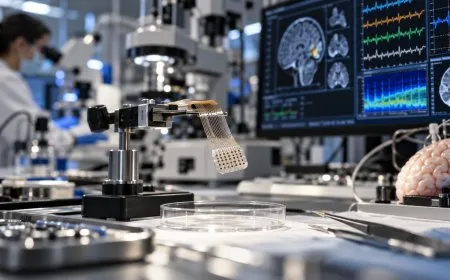
Precision Neuroscience raises $250 million to advance its brain-computer interface technology, focusing on implantable neural devices that translate brain signals into digital commands.

ARPA-H and medical researchers are testing AI agents that can use clinical tools, navigate health records and defer uncertain decisions to clinicians.

Agentic AI is moving into healthcare as ARPA-H, researchers and health systems test clinical agents that can use tools, manage workflows and escalate care.

OpenAI integrates ChatGPT Health with Epic’s electronic health record system, allowing clinicians to review patient data and use AI tools in healthcare workflows.

Neko Health will open its first US location in New York on Sept. 24, bringing its body-scanning health assessment service to Manhattan’s SoHo district.
Science Corporation has secured European regulatory approval for its PRIMA vision-restoring implant, bringing the brain-computer interface technology closer to commercial use for patients…

Neko Health, the preventive healthcare startup co-founded by Spotify CEO Daniel Ek, has raised another $700 million to expand its AI-powered body scanning technology, international clinics…
Two Stanford graduates have raised $11 million to develop a noninvasive wearable device designed for continuous hormone tracking. The technology aims to make hormone monitoring easier, more…