Serve Robotics Physical AI Services is a new business offering robot connectivity, training data and fleet management technology to other developers. Launched November 5, 2026, the service expands the company’s operations beyond autonomous food delivery and hospital robots.
The company is making technology developed for its own fleets available to outside customers. Bedrock Robotics, which builds autonomous systems for construction equipment, is among the first customers.
Serve Robotics Physical AI Services Introduces Three Products
Serve Robotics introduced three products designed to help developers operate and improve autonomous machines. The offerings address connectivity, data processing and AI model training.
Serve Link connects robots to remote computing systems through Wi-Fi, LTE, 5G and satellite networks. This lets machines communicate with AI models, monitoring tools, and training systems without relying entirely on onboard computing.
Serve Data Curator helps developers identify useful information from large volumes of robot-generated data. It prioritizes unusual situations and other valuable examples that can improve AI training.
The third product is a catalog of real-world training data collected through Serve’s sidewalk delivery operations. It includes information about terrain, infrastructure and environments shared by pedestrians and autonomous machines.
Bedrock Robotics Uses Serve Link for Construction Equipment
Bedrock Robotics is using Serve Link to connect autonomous construction machinery across multiple wireless networks. The technology helps its equipment maintain communications with remote systems while operating at construction sites.
Serve says Physical AI Services already supports thousands of vehicles across approximately a dozen industries. These include construction, mining and autonomous trucking.
Bedrock recently raised $600 million to expand its autonomous excavation technology. TechAmerica previously covered Bedrock’s funding and commercial deployments, including its work at active U.S. construction sites.
Serve is also working with T-Mobile to bring AI computing resources closer to operating robots. The collaboration could reduce reliance on distant data centers for time-sensitive tasks.
Serve Expands Beyond Sidewalk Delivery Robots
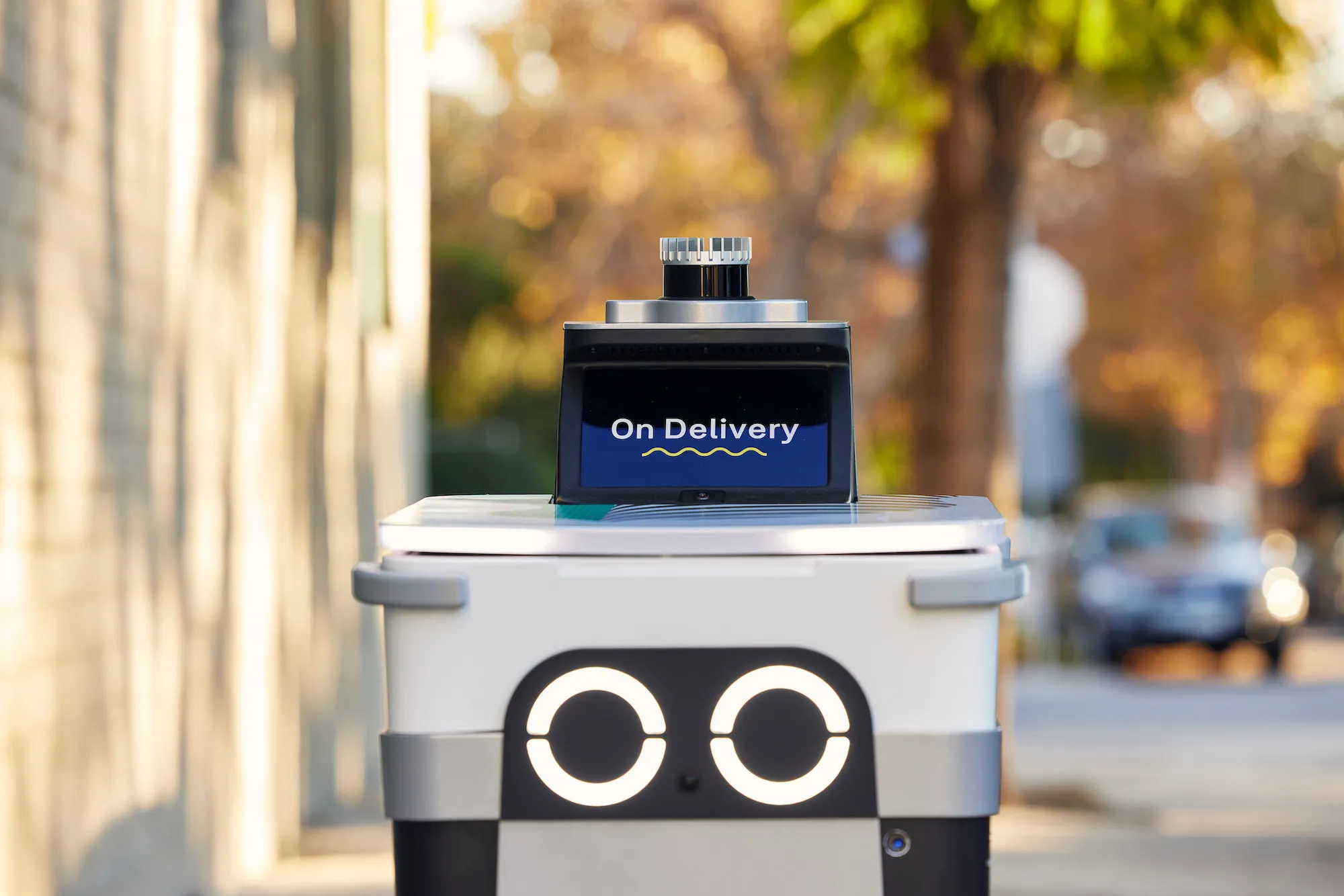
Serve Robotics emerged from Uber’s Postmates business in 2021 and went public in 2024. Its autonomous sidewalk robots deliver food and other products in urban environments.
The company says it has deployed more than 2,000 robots across over 40 cities and 27 hospitals. Its delivery network supports more than 4,000 restaurant partners.
Earlier in 2026, Serve acquired Diligent Robotics, expanding into hospital automation. TechAmerica reported on the Diligent Robotics acquisition, which brought the Moxi hospital assistant robot into Serve’s operations.
Serve’s delivery business has also expanded through partnerships with DoorDash and Wonder. Meanwhile, its relationship with Uber has changed. TechAmerica previously reported that Uber sold its remaining ownership stake in the company during 2026.
New Business Creates Another Revenue Opportunity
Serve introduced Physical AI Services alongside its third-quarter financial results. The company reported $2.8 million in quarterly revenue, up 313% from the prior year.
It also raised its 2026 revenue forecast to $12 million. Recurring revenue represented 69% of third-quarter sales, reflecting changes in its business mix.
The new division lets Serve sell software and data services without requiring customers to buy its delivery robots. However, the company has not disclosed separate revenue targets or pricing for Physical AI Services.
Serve will continue operating its existing robot fleets while supplying technology to other developers. The new business’s financial contribution will depend on customer adoption and demand for its connectivity and data products.