Meta Muse video chat is now available to U.S. users, letting people have realtime conversations with animated AI avatars. Announced November 5, 2026, the feature combines voice interaction with characters that respond through facial expressions and gestures.
The rollout covers the Muse app on mobile devices, the web and Mac. Users can start a conversation by selecting the phone icon, then choose between voice-only communication and an animated avatar.
Meta Muse Video Chat Adds Real-time AI Avatars
The feature uses Muse Realtime Avatar and Muse Realtime Voice, two technologies introduced at Meta Connect in September. Meta explained the underlying system in its technical research announcement.
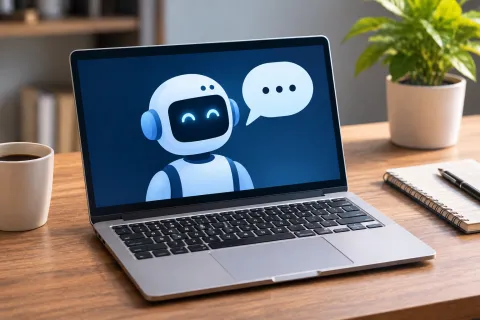
The system synchronizes speech with an avatar’s mouth movements, expressions and gestures. Users can customize their characters to resemble people, animals or fictional figures.
Meta’s research describes an AI model that generates video continuously during conversations. Its architecture processes speech and visual information together, reducing delays between spoken responses and avatar movements.
According to Meta’s internal benchmarks, the technology produces portrait video at 25 frames per second. The company reported approximately 870 milliseconds of latency before the first synchronized audio and video response.
Users Can Choose Voices and Conversation Styles
Muse offers hundreds of voice options with different personalities and speaking styles. Users can change voices and interrupt the assistant during conversations without restarting the interaction.
The avatar responds while listening and speaking, with expressions intended to match the conversation’s tone. Users can display the character alongside their messages or switch to a full-screen view.
Meta Chief AI Officer Alexandr Wang demonstrated the feature in a video posted on X. His customized avatar appeared as a white dog that responded to questions about his social media activity.
Meta suggests using voice conversations for trip planning, brainstorming, interview preparation and presentations. Muse can also continue working on certain tasks while users speak.
Muse Avatar Technology Expands Beyond Text Conversations
Meta introduced Muse as a personal AI assistant in September 2026. The product connects with supported applications and services to help users complete everyday tasks.
TechAmerica previously covered Meta’s plans for Muse avatars following its Connect conference. The company initially demonstrated video conversations, along with additional shopping tools and device integrations.
The new rollout makes those realtime avatar conversations available to U.S. users. Meta has not announced when the feature will become available internationally.
AI Glasses and Muse Charm Support Planned
Meta plans to extend Muse voice conversations to its AI glasses and upcoming Muse Charm wearable. The company has not confirmed a release date for those integrations.
The Muse Charm wearable features a small display designed to show the assistant’s animated character. It will provide another way to interact with Muse without opening a smartphone application.
Meta says its avatar technology also incorporates invisible video watermarking to identify AI-generated media. The company developed the protection using Meta Video Seal, although watermarking cannot eliminate every risk of misuse.
For now, the new voice and avatar experience is limited to eligible Muse users in the United States. Meta has not announced a broader international rollout schedule.