Tesla robotaxi service in San Antonio launched Monday, Nov. 9, extending the electric vehicle maker’s autonomous ride-hailing operations to another Texas city. The company announced that rides would become available at 5 a.m. local time, but disclosed few details about the initial deployment.
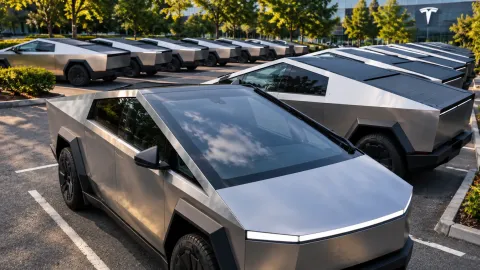
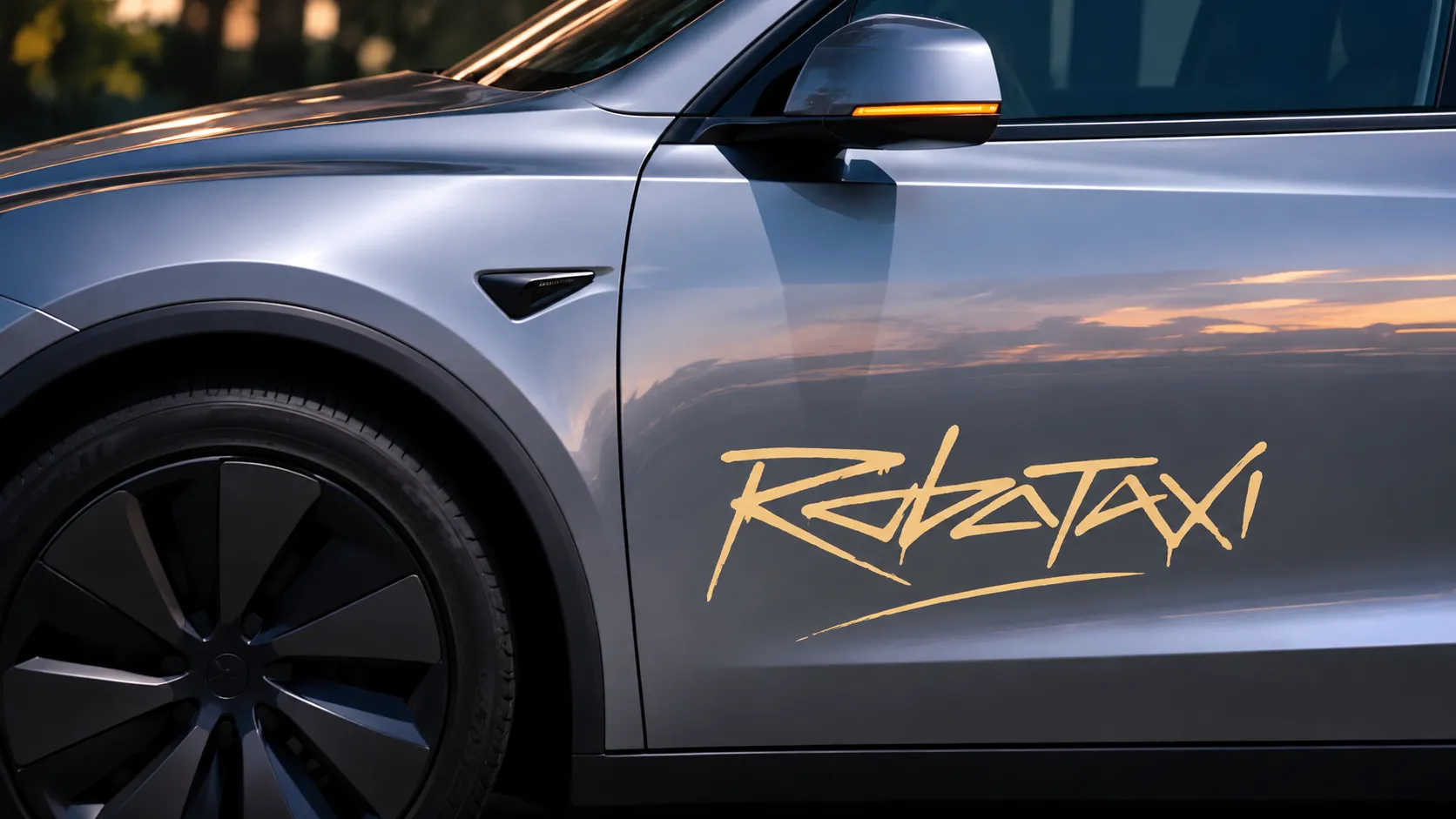
The launch was confirmed through a post on X. Tesla did not specify its operating hours, service boundaries or the number of vehicles available to passengers. It also remains unclear whether the San Antonio fleet includes Tesla’s two-seat Cybercab, modified Model Y vehicles or both.
The company has not confirmed whether human safety monitors will accompany passengers. That distinction is important because Tesla’s existing robotaxi operations have included both supervised and fully driverless rides.
Tesla Robotaxi Expansion Reaches Another Texas Market
Tesla entered the commercial robotaxi market in June 2025 with a limited service in Austin. Its initial vehicles carried human safety operators while the company tested autonomous driving in a restricted operating area.
In January 2026, Tesla began removing onboard safety monitors from its Austin robotaxis, allowing some vehicles to transport passengers without a human operator inside. The company subsequently extended its service to Dallas, Fort Worth and Houston, along with Miami and Orlando in Florida.
San Antonio adds another market to that network, although Tesla has generally introduced vehicles gradually rather than deploying large fleets immediately.
The difference in fleet sizes is considerable. Tesla has more than 400 autonomous vehicles registered in Austin, while some newer markets have substantially smaller deployments. Data cited from Robotaxi Tracker, an independent fleet-monitoring platform, indicates that Tesla has 24 vehicles in Fort Worth and five in Miami.
Those figures illustrate the difference between announcing a new service location and establishing widespread coverage. Tesla has not disclosed how many vehicles will initially operate in San Antonio or how much of the city customers can access.
Waymo Already Operates in San Antonio
Tesla faces an established competitor in San Antonio. Alphabet-owned Waymo operates commercial autonomous ride-hailing services in the city, as well as Austin, Dallas and Houston.
Waymo recently resumed service in San Antonio after a five-month suspension following incidents in which vehicles entered flooded roads and became stranded. Its fleet includes autonomous Jaguar I-Pace vehicles and the Zeekr RT-based Ojai, equipped with Waymo’s self-driving technology.
The competing companies use different approaches to autonomous driving. Tesla relies primarily on cameras and artificial intelligence, while Waymo combines cameras with lidar, radar and other sensors to navigate public roads.
As TechAmerica previously reported, Texas vehicle registration data has provided a way to compare autonomous fleets, although registration totals do not necessarily reflect how many vehicles are actively transporting passengers.
Tesla’s Driverless Operations Remain Uneven Across Markets
Not every Tesla-branded ride-hailing service operates without a driver. In the San Francisco Bay Area, the company offers rides under a transportation charter permit, but human drivers drive.
Tesla does not hold the permits required to provide a fully driverless commercial ride-hailing service in California. Its Bay Area operation therefore differs from the autonomous service available in parts of Texas.
Expanding into additional cities also does not necessarily mean Tesla is carrying more paying passengers. Company data released earlier this year showed that its robotaxi network accumulated fewer paid passenger miles in the second quarter of 2026 than in the first.
Tesla is separately developing its purpose-built Cybercab as part of its autonomous transportation strategy. The two-seat vehicle has no steering wheel or pedals and is designed specifically for driverless operation. Federal safety scrutiny of Cybercab remains an important consideration as Tesla prepares to expand the vehicle’s use.
For San Antonio passengers, the immediate questions concern vehicle availability, geographic coverage and whether rides will operate without onboard safety personnel. Tesla has yet to release those details, leaving the initial scale of its newest robotaxi service unclear.