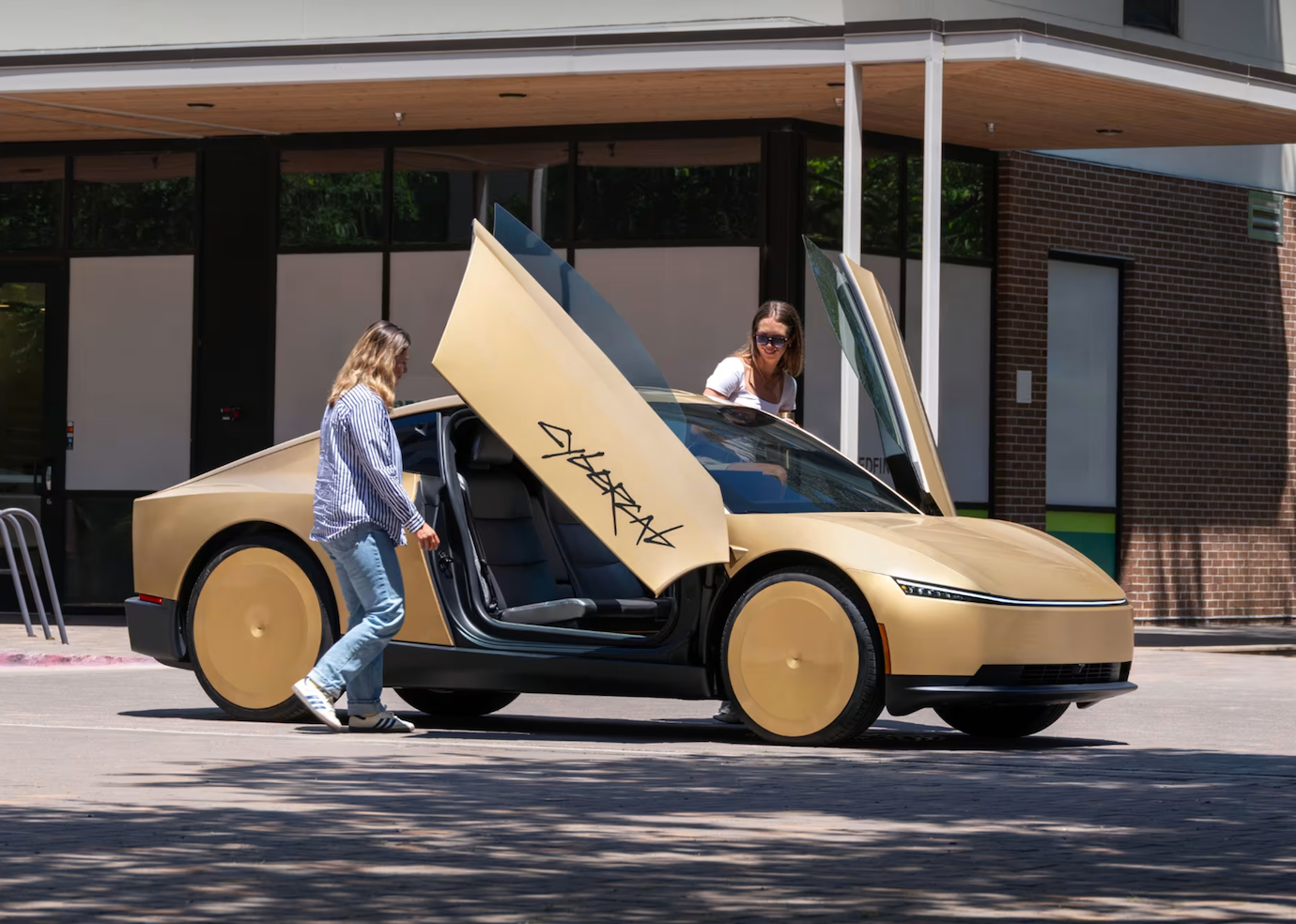
Tesla Cybercab sales could begin before the end of 2026, even as federal regulators investigate the vehicle’s safety certification. The gold-colored autonomous two-seater has no steering wheel, pedals or traditional driver controls.
During Tesla’s Oct. 21 earnings call, engineering executive Lars Moravy said the company plans to begin limited customer deliveries this year. Production is already underway in Texas, although current vehicles are destined for Tesla’s own robotaxi fleet.
Tesla confirmed in its third-quarter shareholder update that Cybercab began carrying passengers in Austin on Sept. 3. The company plans to expand operations while learning how to manage customer-owned autonomous vehicles.
Tesla Cybercab Sales Will Begin on a Limited Scale
Moravy said initial deliveries would be small, with production and distribution increasing as Tesla gains operational experience. The company has not announced customer pricing or detailed eligibility requirements.
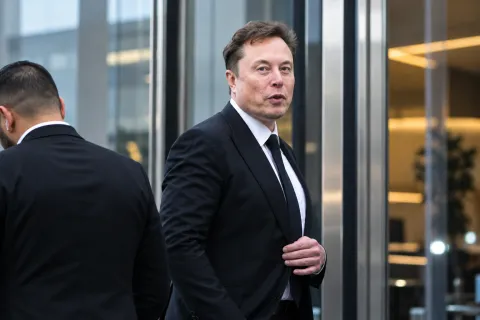
CEO Elon Musk emphasized that Cybercab is primarily intended for ride-hailing services rather than traditional private ownership. Most vehicles will remain Tesla-owned and operate within its transportation network.
That approach differs from Musk’s earlier vision of converting privately owned Teslas into robotaxis through software updates. The company has repeatedly revised its autonomous driving timelines, including earlier Cybercab production targets.
Tesla’s current Full Self-Driving (Supervised) software can handle many driving tasks but still requires an attentive driver. It does not provide unrestricted autonomous operation.
Tesla AI executive Ashok Elluswamy said some customer-owned vehicles could join the company’s robotaxi network around the second quarter of 2027. That capability would depend on approved operating areas and Tesla’s fleet management system.
Federal Safety Investigation Could Affect Rollout
The National Highway Traffic Safety Administration opened an investigation into Cybercab on Sept. 4, shortly after its Austin deployment began. The inquiry concerns Tesla’s certification that the vehicle meets applicable federal safety standards.
Automakers generally certify their own vehicles under Federal Motor Vehicle Safety Standards. However, several existing requirements address manual controls and equipment the Cybercab lacks.
As TechAmerica.ai reported in earlier coverage of its NHTSA investigation, regulators are examining the technical basis for Tesla’s compliance. The agency is also reviewing whether Tesla correctly determined that certain requirements do not apply.
The Transportation Department has proposed changes to accommodate vehicles designed exclusively for autonomous driving. Those revisions are not yet finalized, and existing federal safety requirements remain in effect.
The investigation could affect Tesla's ability to operate its Cybercab operations or deliver vehicles to outside customers. No final regulatory determination has been announced.
Tesla’s year-end deliveries remain dependent on both manufacturing progress and regulatory compliance. The company has not specified how many Cybercabs it expects to deliver to customers in 2026.