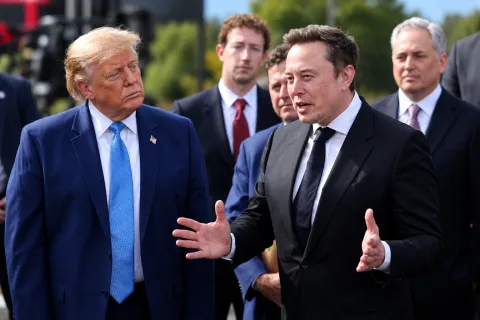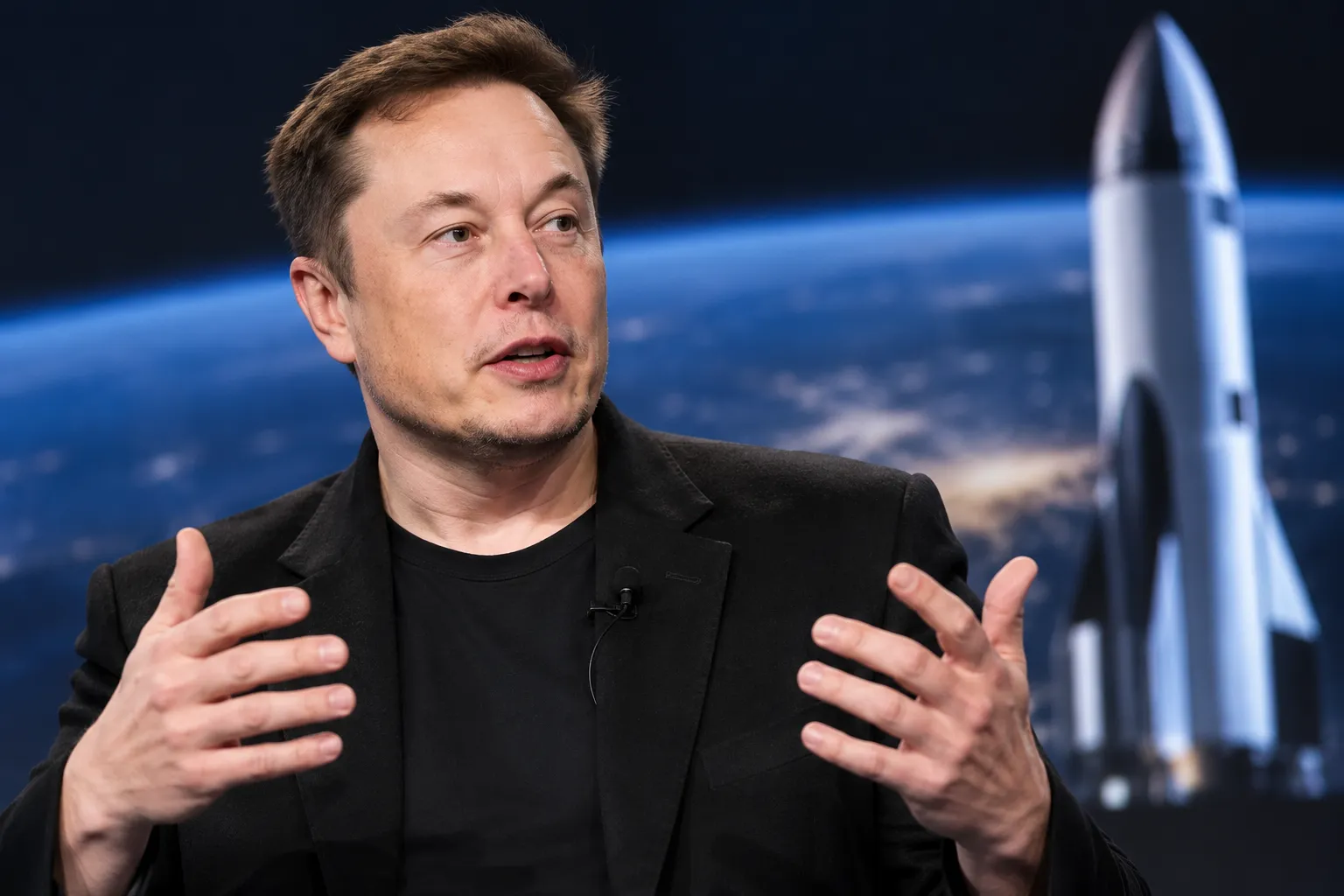
Elon Musk has pledged to give SpaceX shares for children across the United States in 2027. The billionaire announced plans to donate one share to every American child, potentially worth more than $10 billion.
In an October 19 post on X, Musk said the giveaway would be the first of several planned contributions. However, he did not explain how he would distribute the shares or which children would qualify.
How SpaceX Shares for Children Could Be Distributed
The United States has more than 70 million children under 18, according to federal statistics on children. At SpaceX’s recent share price of approximately $146, providing one share to each child would cost more than $10 billion.
SpaceX’s regulatory filings show that Musk holds approximately 849 million Class A shares and more than 5.5 billion Class B shares. The latter carry additional voting rights.
One possible distribution mechanism is the federal Trump Accounts program, which allows eligible children’s investment accounts to receive stock contributions. Musk has not confirmed whether he intends to use that system.
Musk’s Pledge Follows Anthropic’s Public Benefit Fund
The announcement followed Anthropic’s commitment to allocate 5% of its shares to a public benefit fund. The AI company intends to support nonprofit organisations and potentially provide direct financial assistance to selected populations.
Anthropic is also preparing for an IPO, with its founders seeking greater voting control.
Responding to Anthropic’s announcement, Musk recommended distributing shares directly to the public. Hours later, he said he intended to follow that approach, before announcing the SpaceX giveaway.
Musk’s previous charitable contributions have largely flowed through the Musk Foundation. A recent investigation by The Economist found that nearly 60% of its distributions went to another charity, The Foundation, managed by Musk’s financial adviser Jared Birchall.
The proposed stock giveaway would depart from that established philanthropic structure. However, Musk has not disclosed an implementation plan, eligibility requirements or a timetable beyond 2027.