Automattic Spacefast launch introduces a new way to publish websites and applications created with artificial intelligence. The company behind WordPress.com announced the platform on Monday, Nov. 9, making it available to the public.
Spacefast provides hosting, databases and deployment tools for projects built with AI coding assistants. Users can connect existing tools instead of moving their work into a separate development environment.
The service supports ChatGPT, Claude, Cursor, Codex and other AI assistants. It also allows developers to connect Git repositories and publish applications using familiar development tools.
Automattic Spacefast Launch Simplifies AI App Deployment
AI coding tools can generate functional websites and applications from natural language instructions. However, deploying those projects often requires additional technical work.
Developers must arrange hosting, configure databases and manage access permissions. Spacefast aims to bring those services together without requiring users to manage separate infrastructure providers.
In its official announcement, Automattic described Spacefast as a platform that works directly with existing AI assistants.
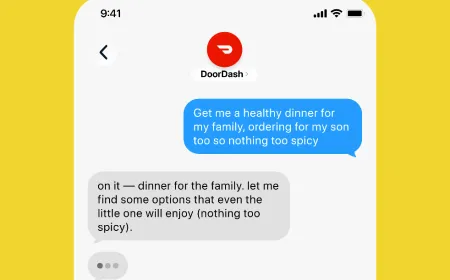
Users can instruct their preferred agent to publish a project on Spacefast. The service then provides a deployment link without requiring them to open a separate dashboard.
Spacefast includes SQL databases, custom domain support, password-protected sharing and collaboration tools. Built-in application authentication is planned but is not yet available.
Each deployment also receives a permanent URL. Users can access previous versions or restore an earlier release if necessary.
Spacefast Supports Multiple AI Coding Tools
Unlike platforms that combine AI code generation with their own hosting environment, Spacefast focuses on deployment infrastructure. Users can continue working with their existing AI assistants.
The platform supports tools including ChatGPT, Claude, Cursor, OpenClaw, Hermes and Grok Bot. Developers can also use its API, command-line interface and Model Context Protocol server.
Automattic says Spacefast charges for infrastructure rather than AI inference credits. This separates deployment costs from charges associated with generating code through an AI provider.
The approach differs from services such as Lovable and Emergent, which offer integrated AI application-building environments. TechAmerica previously covered Lovable’s expansion in AI software development as demand for these products increased.
Spacefast also provides approval checks for sensitive agent actions, including DNS changes and deployment rollbacks. Its collaboration features allow users to comment on projects and submit feedback for further AI-assisted changes.
Spacefast Emerged From an Automattic Hackathon
Spacefast began as an internal project developed by Batuhan İçöz, who previously worked on Automattic’s Beeper messaging application.
During an internal development sprint, İçöz noticed that nontechnical users struggled to deploy projects generated with AI assistants. He initially built a static hosting service using Automattic’s existing infrastructure.
The project later expanded to include backend services and additional deployment features. Automattic introduced a limited version in September before the public launch in November.
İçöz now leads Spacefast as its founder and CEO. Early applications include internal dashboards, presentations, project websites and tools for managing digital files.
The platform runs on infrastructure shared with WordPress.com and Tumblr. Automattic says that infrastructure handles more than 15 billion page views monthly.
Automattic Expands Beyond Traditional Website Publishing
Spacefast arrives as AI coding tools change how people create websites and online services. Some projects no longer require conventional content management systems.
Automattic has traditionally focused on publishing platforms, particularly WordPress. Its new service extends that business into hosting applications generated through external AI tools.
The company also sees opportunities to connect Spacefast with its existing products. Potential additions include WordPress integrations, web analytics and WooCommerce e-commerce capabilities.
Competition is growing across this market. Companies including Lovable, Emergent and Figma are developing products that simplify application creation and deployment.
TechAmerica previously reported on Figma’s acquisition of the vibe-coding startup Bud, another example of established software companies expanding their AI development offerings.
Spacefast offers a free personal plan, with additional infrastructure available through paid usage. Automattic has not disclosed customer numbers or revenue expectations for the new service.
Its immediate distinction is flexibility. Users can deploy applications without abandoning their preferred AI coding tools, while Automattic supplies the infrastructure needed to publish them.