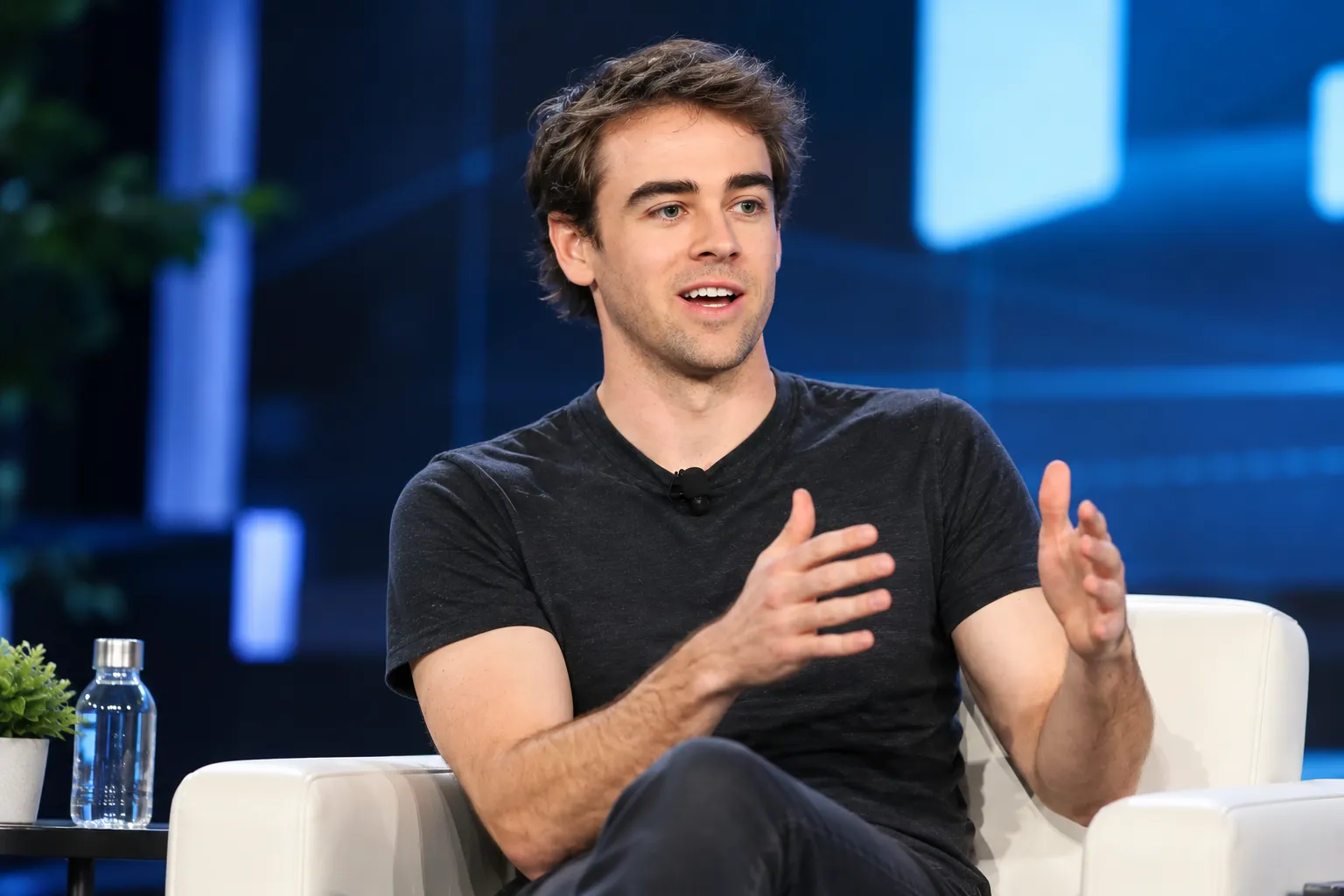
Theranos whistleblower Tyler Shultz warns that AI startup fraud risks could grow as investors rush to fund emerging technologies. He believes the artificial intelligence boom presents opportunities for deception because evaluating technical claims has become increasingly difficult.
In an interview with The San Francisco Standard, Shultz questioned whether investors have learned enough from the Theranos scandal. He argued that distinguishing genuine AI innovation from applications built around existing models can be especially challenging.
Shultz helped expose problems with Theranos’ blood-testing technology, which founder Elizabeth Holmes promoted as a medical breakthrough. The company reached a valuation of approximately $10 billion before its claims unraveled.
AI Startup Fraud Risks Raise New Investment Concerns
Shultz believes the AI investment boom has made thorough technical evaluation more important. Startups can demonstrate impressive software without necessarily owning the underlying technology or developing something fundamentally new.
“It’s really hard to tell the difference between something truly unique versus a ChatGPT wrapper,” Shultz said during the recorded interview.
He also criticized investment decisions based largely on founder presentations and personal connections. Shultz said investors should move beyond committing substantial funding after brief meetings.
Theranos raised hundreds of millions of dollars despite withholding important scientific evidence from potential investors. The company frequently cited trade-secret concerns when declining requests to validate its technology.
Similar concerns have surfaced in recent startup research. A study of venture-backed startup fraud examined how weak oversight and investor pressure can contribute to deceptive business practices.
Theranos Scandal Returns to Public Attention
Shultz’s warning comes as the documentary You Can See Everything renews interest in Holmes. Directed by Nathan Fielder and Lance Oppenheim, the film follows her final weeks before entering federal prison.
Holmes is serving a prison sentence for defrauding investors about Theranos’ technology. The company’s failures extended beyond financial losses, affecting patients who received unreliable blood-test results.
Theranos also partnered with Walgreens to bring testing services into pharmacies. During Holmes’ trial, a former Walgreens executive described how the retailer invested heavily in the venture. The testimony revealed concerns about the accuracy of Theranos’ claims and its reliance on conventional laboratory equipment.
Shultz has questioned whether the documentary gives enough attention to the harm the company caused. He also believes Holmes remains focused on shaping public perception of her.
Holmes’ Partner Pursues Another Diagnostics Startup
The documentary also introduces Haemanthus, a diagnostics company led by Holmes’ longtime partner, Billy Evans. The startup is developing technology intended to detect diseases through biological samples.
According to Fortune’s reporting, Haemanthus has reportedly raised up to $20 million. However, it has not publicly demonstrated independently validated diagnostic results or launched a commercial product.
The company has rejected comparisons with Theranos and says its technology follows a different scientific approach. Its reported fundraising and development plans do not establish wrongdoing.
Shultz nevertheless remains concerned about Holmes’ continued public influence. His broader warning centers on investors who accept ambitious technology claims without demanding sufficient evidence.
For AI startups, he argues, the difficulty of evaluating proprietary systems makes that scrutiny especially important. The Theranos case demonstrated how costly the consequences can become when investors overlook warning signs.