Helion Semiconductor funding could reach $175 million under a proposed U.S. government agreement to develop advanced power electronics for commercial fusion energy. The company announced the three-year initiative on Oct. 22, alongside $50 million in private investment.
The Commerce Department’s CHIPS Act research program would fund the initiative. Under the proposed agreement, the government would receive a nonvoting equity stake in Helion. The deal remains subject to final approval.
Helion Energy aims to reduce electricity losses in the semiconductors that control its fusion reactors. CEO David Kirtley said existing components lose approximately 5% to 10% of the electricity passing through them.
Those losses accumulate across the company’s complex power system. Kirtley said cutting them in half could potentially double the reactor’s net power output.
Helion Semiconductor Funding Targets U.S. Manufacturing
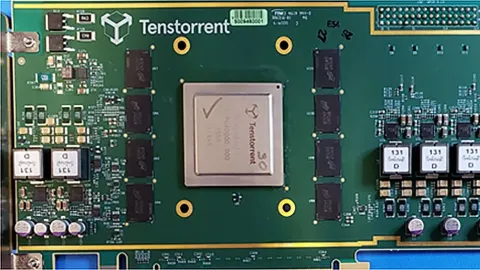
The proposed investment would support semiconductor research, automated manufacturing, advanced packaging and testing facilities in Washington state. Helion plans to establish domestic production capacity for specialized high-voltage and pulsed-power components.
More than $100 million is earmarked for research and advanced packaging in Washington. Approximately $80 million would support semiconductor development with GlobalFoundries in Vermont. The broader program includes private investment alongside the proposed federal award.
GlobalFoundries has separately received federal support for gallium nitride semiconductor manufacturing. A 2024 funding announcement detailed another $9.5 million award, bringing its cumulative federal support for that program above $80 million.
Helion’s semiconductor initiative comes as the startup develops Orion, its first commercial fusion power plant. The facility is being built in Washington state, with electricity deliveries to Microsoft targeted for 2028.
However, Kirtley acknowledged that next-generation semiconductors developed through the program may not be ready for Orion’s initial launch. The greatest efficiency improvements are expected in subsequent reactors.
Why Power Electronics Matter for Fusion
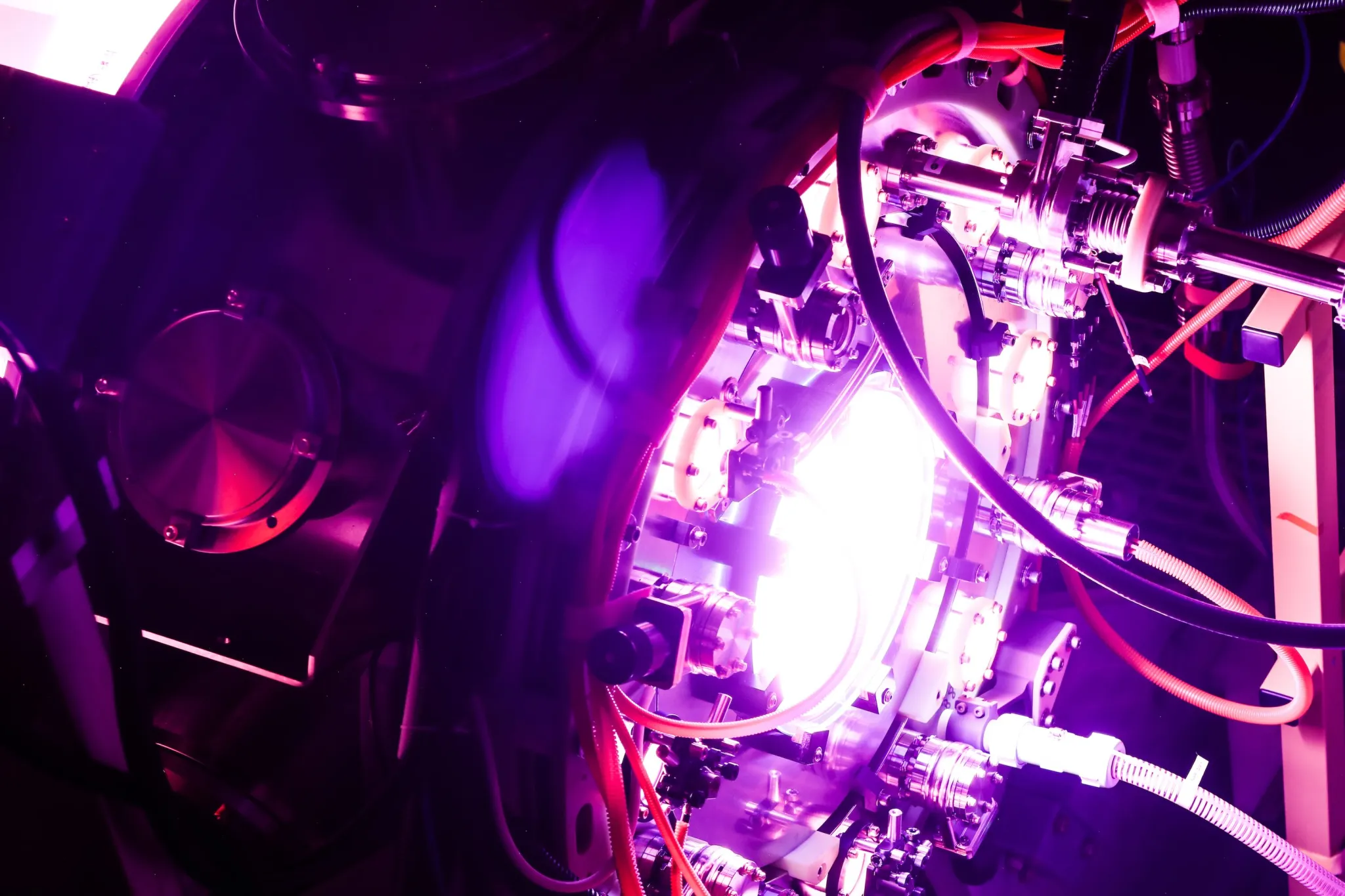
Helion uses a field-reversed configuration reactor that combines deuterium and helium-3 fuel. Magnetic fields accelerate two plasma formations toward each other, then compress them to temperatures exceeding 100 million degrees Celsius.
The resulting fusion reaction pushes the plasma against the magnetic fields. Helion’s system captures that energy through electromagnetic induction, converting it directly into electricity without conventional steam turbines.
Efficient semiconductors are essential because the system must rapidly transfer energy into and out of its magnetic components. Reducing conversion losses could increase the usable electricity recovered from each fusion cycle.
Fusion developers still face substantial engineering challenges before commercial power generation becomes viable. Other companies are pursuing different reactor technologies and pursuing utility partnerships for future fusion plants.
Advanced power electronics also have applications beyond fusion energy. Electric vehicles, industrial equipment, grid infrastructure and defense systems could benefit from improvements in high-voltage semiconductor efficiency.
For Helion, the immediate objective remains commercial electricity generation. Its proposed semiconductor program could strengthen domestic manufacturing while helping future reactors recover more energy from fusion reactions.