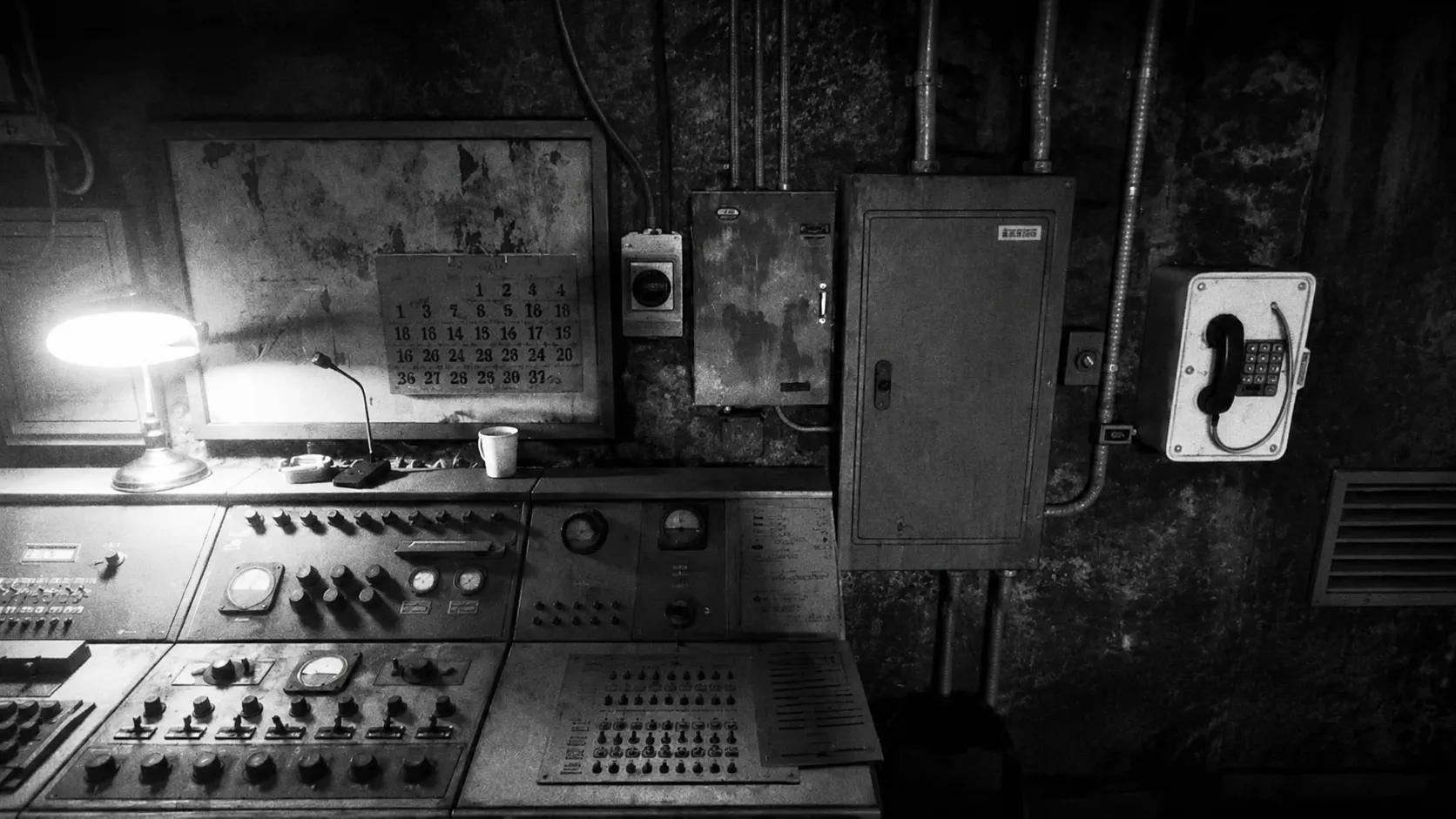
GTA 6 Tenebrae Lux has become an unexpected talking point among independent game developers. The fictional black-and-white puzzle game appears inside Grand Theft Auto VI, where Rockstar Games uses it to parody experimental indie titles.
Developers Sam Barlow and Robert Yang have responded to the joke, highlighting its unusual cultural significance. Their reactions suggest that indie games have become recognizable enough to attract satire from one of gaming’s biggest studios.
GTA 6 Tenebrae Lux Parodies Experimental Indie Games
Tenebrae Lux is a playable first-person puzzle game within GTA VI. It features monochrome environments, cryptic puzzles, and a protagonist who delivers dramatic narration.
The fictional game’s credits repeatedly emphasize its supposed creator, Johannes Zuch. Rockstar uses the character to satirize the image of a solitary artistic genius responsible for every aspect of development.
The parody draws comparisons with The Witness, Jonathan Blow’s 2016 puzzle game. Its environmental puzzles and minimalist storytelling helped establish a distinctive approach to independent game design.
Another apparent influence is Dear Esther, the narrative exploration game developed by The Chinese Room. Released commercially in 2012, it helped popularize first-person experiences centered on atmosphere and storytelling.
Tenebrae Lux exaggerates elements associated with these games. Its deliberately obscure puzzles and serious presentation create a contrast with GTA VI’s criminal activities and satirical humor.
Sam Barlow Responds to Rockstar’s Indie Game Parody
Sam Barlow, the developer behind Her Story and Immortality, was among those who noticed Rockstar’s joke.
In a November 20 Bluesky post, Barlow jokingly questioned whether Rockstar was targeting Jonathan Blow, The Chinese Room, and other experimental developers.
Barlow later discussed the significance of seeing indie game conventions parodied inside a blockbuster. He viewed the attention as evidence that experimental games had entered wider gaming culture.
Millions of GTA VI players could encounter design ideas they might otherwise never explore. Barlow hoped some would become curious about the independent games behind the parody.
His reaction reflects an unusual form of recognition. Experimental developers often work with smaller audiences and budgets, yet their creative ideas can influence much larger productions.
Robert Yang Calls the Parody Both Critical and Affectionate
Independent developer Robert Yang offered a more complicated interpretation.
In a November 19 Bluesky post, Yang described Rockstar’s satire as punching down at smaller developers. However, he also acknowledged that the parody appeared partly affectionate.
The distinction matters because Rockstar operates at a vastly different financial scale from most independent studios.
Yang also suggested that large-studio developers are often familiar with experimental independent games. Environment artists and level designers can draw inspiration from smaller projects, even when their employers produce major blockbusters.
He noted an irony in the comparison. GTA VI also relies heavily on exploration, environmental detail, and conversations, elements commonly associated with narrative-focused independent games.
That overlap makes the parody more interesting than a straightforward joke about obscure puzzles.
Jason and Cal Play Tenebrae Lux During GTA VI’s Story
Players encounter Tenebrae Lux during a conversation between protagonist Jason Duval and his friend Cal Hampton.
Cal enthusiastically introduces the game and praises its design. Jason starts playing but quickly runs into confusing puzzles and an elaborate presentation.
The sequence eventually cuts back to Jason, who looks bored. Cal then introduces another fictional game, Street Trash 3 Dezombifier.
That title offers a contrasting experience built around zombie-themed action.
The transition forms part of Rockstar’s joke. It places a slow, experimental puzzle game alongside a more immediately accessible action experience.
Players initially experience only a short section of Tenebrae Lux. However, they can return later and play through the complete in-game title.
Rockstar’s wider approach to interactive activities is examined in TechAmerica.ai’s Grand Theft Auto VI review, which explores the game’s environmental detail and optional activities.
Why Rockstar’s Indie Game Satire Matters
Rockstar has long used fictional television, radio, advertisements, and businesses to parody contemporary culture. GTA VI expands that tradition by including playable games within its virtual world.
Tenebrae Lux stands out because it targets the gaming industry itself. It exaggerates recognizable conventions of experimental game development rather than simply mocking fictional consumer products.
The contrast also highlights differences between independent and major studio production. Indie developers often prioritize unusual creative approaches, while large publishers face substantial commercial expectations.
TechAmerica.ai previously examined the divide between blockbuster games and smaller developers, including rising production costs and industry pressures.
Tenebrae Lux brings that contrast into GTA VI’s fictional world. Its existence suggests that experimental game design has become recognizable enough to support mainstream satire.
Tenebrae Lux Shows the Influence of Indie Game Design
Barlow and Yang’s responses show that Rockstar’s parody can be interpreted in different ways. Some developers see playful recognition, while others question the imbalance between the industry giant and its smaller targets.
Both reactions highlight the growing visibility of experimental gaming.
Tenebrae Lux is not a separately released commercial game. It is part of GTA VI’s interactive world, designed to entertain players while commenting on familiar creative conventions.
Its significance extends beyond the puzzles themselves. By placing an elaborate indie game parody inside a major release, Rockstar introduces those design traditions to a much wider audience.
Whether players appreciate the humor or find the puzzles frustrating, Tenebrae Lux illustrates how independent gaming has influenced the broader industry’s creative language.