The Ocarina of Time Switch 2 review examines Nintendo’s attempt to modernize one of gaming’s most influential adventures. The 2026 remake introduces rebuilt graphics, orchestral music, voice acting and redesigned controls. Yet its greatest strength may be how closely it preserves the original game’s structure.
Released November 5, 2026, the remake celebrates the franchise’s 40th anniversary. The $59.99 digital release offers a fresh way to experience Link’s journey across Hyrule. Modern conveniences make the adventure more approachable, although its familiar design and reduced difficulty create some trade-offs.
Ocarina of Time Returns With a Rebuilt Hyrule
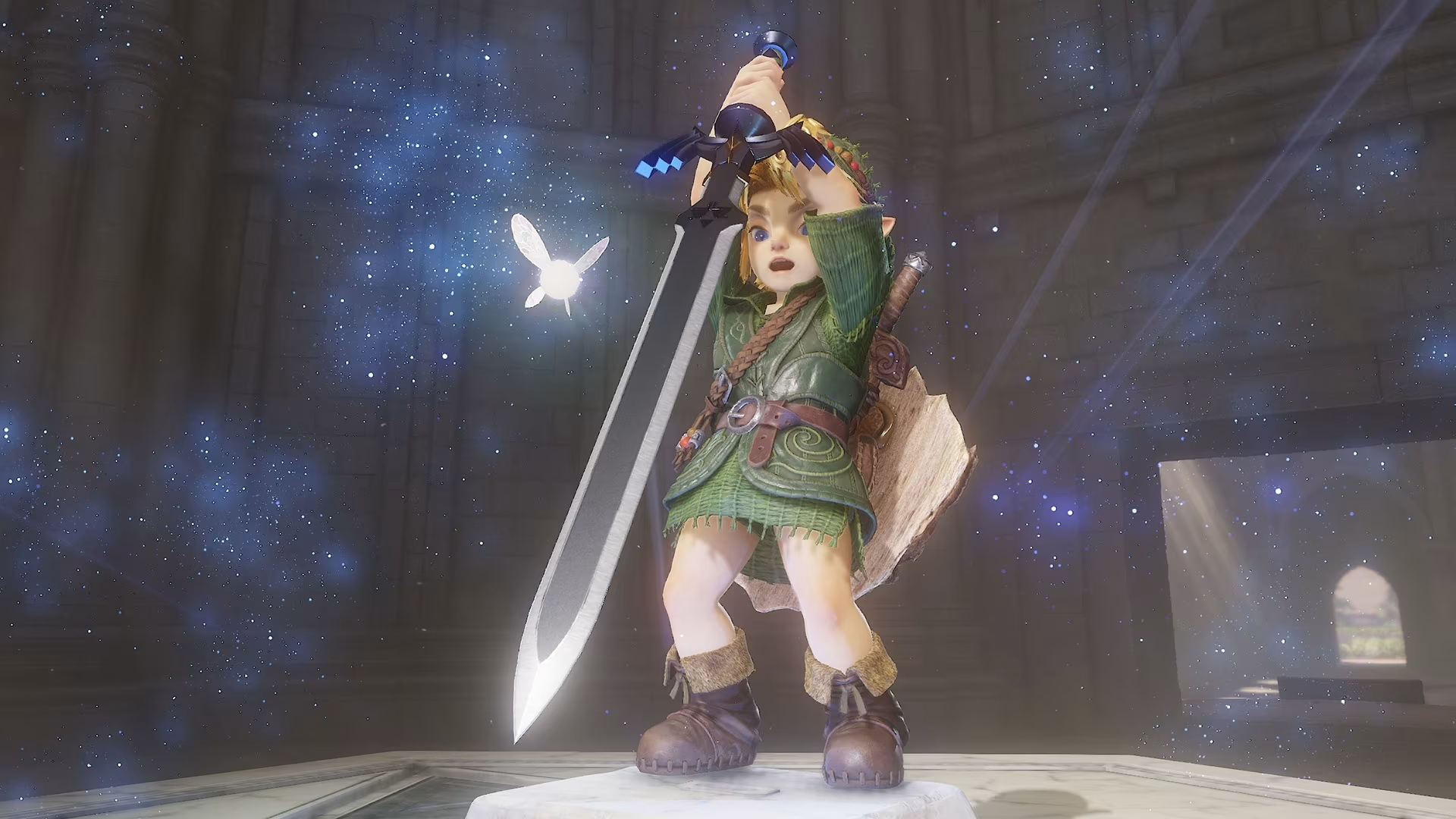
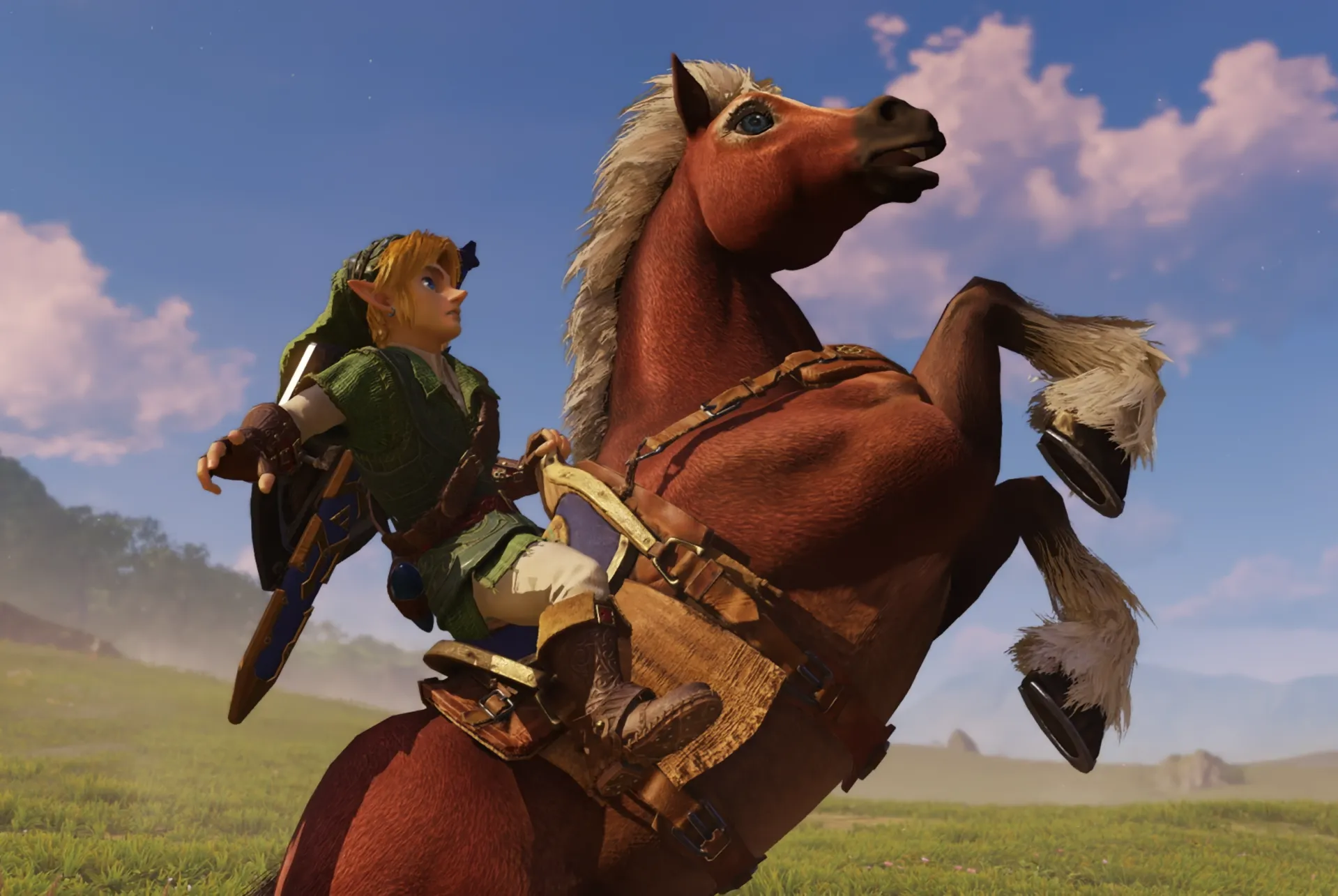
Nintendo has reconstructed the 1998 Nintendo 64 adventure with detailed environments, redesigned character models and modern lighting. The result goes far beyond a conventional resolution upgrade.
According to Nintendo’s official game listing, the remake retains Link’s original journey against Ganondorf. Players still explore Hyrule, solve dungeon puzzles and use magical songs to influence the world.
The visual changes are especially apparent in familiar locations. Kokiri Forest features richer vegetation, while towns contain more environmental detail. The rebuilt dungeons also use lighting to establish atmosphere and guide exploration.
Character designs follow a distinctive storybook style. This approach gives the remake a recognizable identity rather than pursuing complete visual realism. However, the artistic direction may divide longtime fans who prefer the original appearance.
Nintendo has also replaced the original soundtrack with symphonic orchestral arrangements. Expanded dialogue and voiced cutscenes bring additional personality to supporting characters.
These additions change the presentation without replacing the central adventure. That restraint is important because Ocarina of Time’s appeal depends heavily on its progression and puzzle design.
Modern Controls Remove Several Original Frustrations
The most practical improvements involve movement and camera control. Link can now jump manually, sprint and move the camera using the right analog stick.
The original Nintendo 64 release relied heavily on contextual movement and automatic jumping. Its camera system also offered limited freedom. Those restrictions can feel awkward to players accustomed to modern action-adventure games.
Nintendo’s 40th anniversary announcement confirms the redesigned controls, faster loading and expanded movement options.
Item management has also improved. Players can access equipment more quickly without repeatedly navigating traditional menus. These changes are especially useful in dungeons that require frequent equipment switches.
The Water Temple provides a clear example. The original required repeated menu navigation to equip the Iron Boots. The remake streamlines that process through faster controls.
In its independent review, Destructoid praised the improved movement and reported consistently smooth 60fps performance. Its reviewer also found the updated Water Temple substantially less frustrating.
However, easier controls affect the challenge. Combat encounters can feel less demanding when movement and targeting respond better.
Classic Dungeon Design Remains the Main Attraction
Ocarina of Time follows a more structured adventure than recent open-world Zelda games. Players gradually unlock equipment, abilities and access to new locations.
Each dungeon introduces distinct obstacles that require careful observation. New equipment changes how Link interacts with enemies and environmental puzzles.
The transition between childhood and adulthood also remains central. Familiar locations change as the story progresses, giving previously explored areas new significance.
This design encourages players to revisit earlier environments with different abilities. It creates a sense of progression without relying on enormous maps or endless optional objectives.
The remake preserves those foundations while adding environmental detail and selected puzzle refinements. TechAmerica.ai’s earlier Ocarina of Time remake preview examined the revised controls, darker dungeon environments and expanded exploration features.
Nevertheless, players familiar with Breath of the Wild may find the older structure restrictive. Fewer opportunities let players approach objectives in completely different ways.
That limitation reflects the original design, not a technical failure. The remake prioritizes carefully constructed challenges over unrestricted exploration.
New Features Add Guidance Without Replacing Exploration
Nintendo has introduced several features designed to reduce confusion. Threads of Time tracks story progression and helps players identify their next objective.
This system offers direction without turning every puzzle into an automatic solution. It is particularly useful when returning to the adventure after several days away.
The remake also introduces the Hall of Fallen Heroes. Players can examine representations of defeated enemies and revisit selected battles. The feature adds another reason to explore beyond the main story.
Music receives an unusual interactive addition. Players can perform familiar ocarina melodies by humming or playing instruments into the Switch 2 microphone.
Nintendo confirms this functionality in its official overview announcement. Traditional button controls remain available for players who prefer them.
ZELDA NOTES offers additional support through the Nintendo Switch App. Compatible smartphones can display progress information, location challenges and other game-related features.
These additions make the adventure easier to navigate. However, players seeking the original experience may prefer to use fewer guidance features.
Performance, Voice Acting and Difficulty
Early independent assessments have been positive about the remake’s technical presentation. Reviewers have praised its detailed environments, improved animation and smoother gameplay.
TechRadar’s review reported stable 60fps performance during its completed playthrough. The publication also praised the redesigned locations and orchestral soundtrack.
However, the reviewer noted that the remake may offer limited difficulty for experienced players. Some voice performances also proved less convincing than others.
Expanded dialogue gives supporting characters more personality. Yet longtime fans may find that spoken performances differ from their expectations.
The remake also makes relatively restrained changes to the underlying story. Players expecting a completely new adventure may therefore find much of the experience familiar.
These concerns do not undermine the quality of the original design. They do, however, affect whether returning players will find the new version worth purchasing.
Ocarina of Time Switch 2 Price and Alternatives
Nintendo released The Legend of Zelda: Ocarina of Time exclusively for Switch 2 on November 5, 2026. The digital edition costs $59.99 in the United States. Physical copies have a higher suggested retail price of $69.99.
The remake is a standalone purchase, not an upgrade to the original Nintendo 64 game. Buyers must own a Switch 2 to play this version.
The estimated download size is approximately 27GB. Nintendo also supports handheld, tabletop and television play.
Players who want the original experience have another option. The Nintendo 64 version remains available through Nintendo Switch Online + Expansion Pack.
That edition preserves the older visuals and control structure. The remake instead offers rebuilt presentation, improved movement and additional features.
The pricing also deserves consideration within Nintendo’s broader strategy. TechAmerica.ai previously examined Zelda’s place in the blockbuster gaming market and the importance of established franchises.
For first-time players, the remake offers a more accessible introduction. Returning fans must decide whether the technical improvements justify another purchase.
Ocarina of Time Switch 2 Pros and Cons
Pros:
- Completely rebuilt environments and distinctive character designs.
- Modern camera controls, manual jumping and faster equipment selection.
- Orchestral soundtrack and expanded character dialogue.
- Classic dungeon design with improved navigation.
- New progression tools and optional gameplay features.
Cons:
- Combat may feel too easy for experienced players.
- Some voice performances may divide longtime fans.
- Limited changes to the original story and progression.
- Higher cost than playing the original through a subscription.
- Exclusive to Nintendo Switch 2.
Final Verdict: A Classic Adventure Made More Accessible
The Legend of Zelda: Ocarina of Time remake succeeds by modernizing its presentation without abandoning its original identity. Improved controls remove several longstanding frustrations. The rebuilt environments and orchestral music give familiar locations renewed appeal.
Its dungeon-focused structure remains the strongest reason to play. Unlike modern open-world adventures, the game builds progression around carefully designed challenges and meaningful equipment upgrades.
However, the remake is not a completely new interpretation. Experienced players may find combat less challenging, while the full-price release creates a purchasing dilemma.
For newcomers, the Switch 2 edition offers an appealing introduction to one of Nintendo’s most influential games. Returning players who value improved controls and presentation have strong reasons to revisit Hyrule.
Those satisfied with the Nintendo 64 original may not need another version. Ultimately, the remake’s greatest achievement is making its classic adventure easier to enjoy without losing what made it memorable.