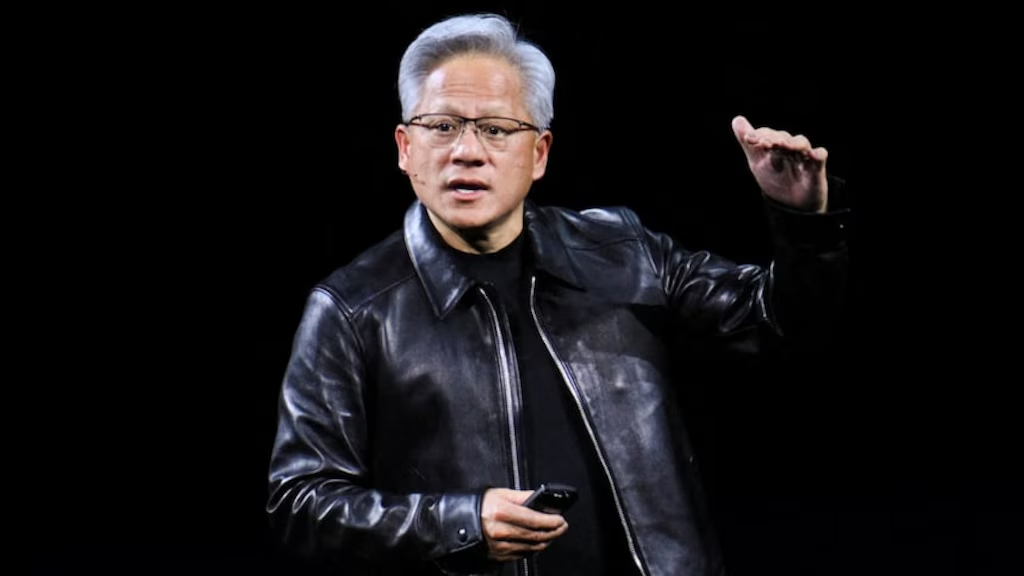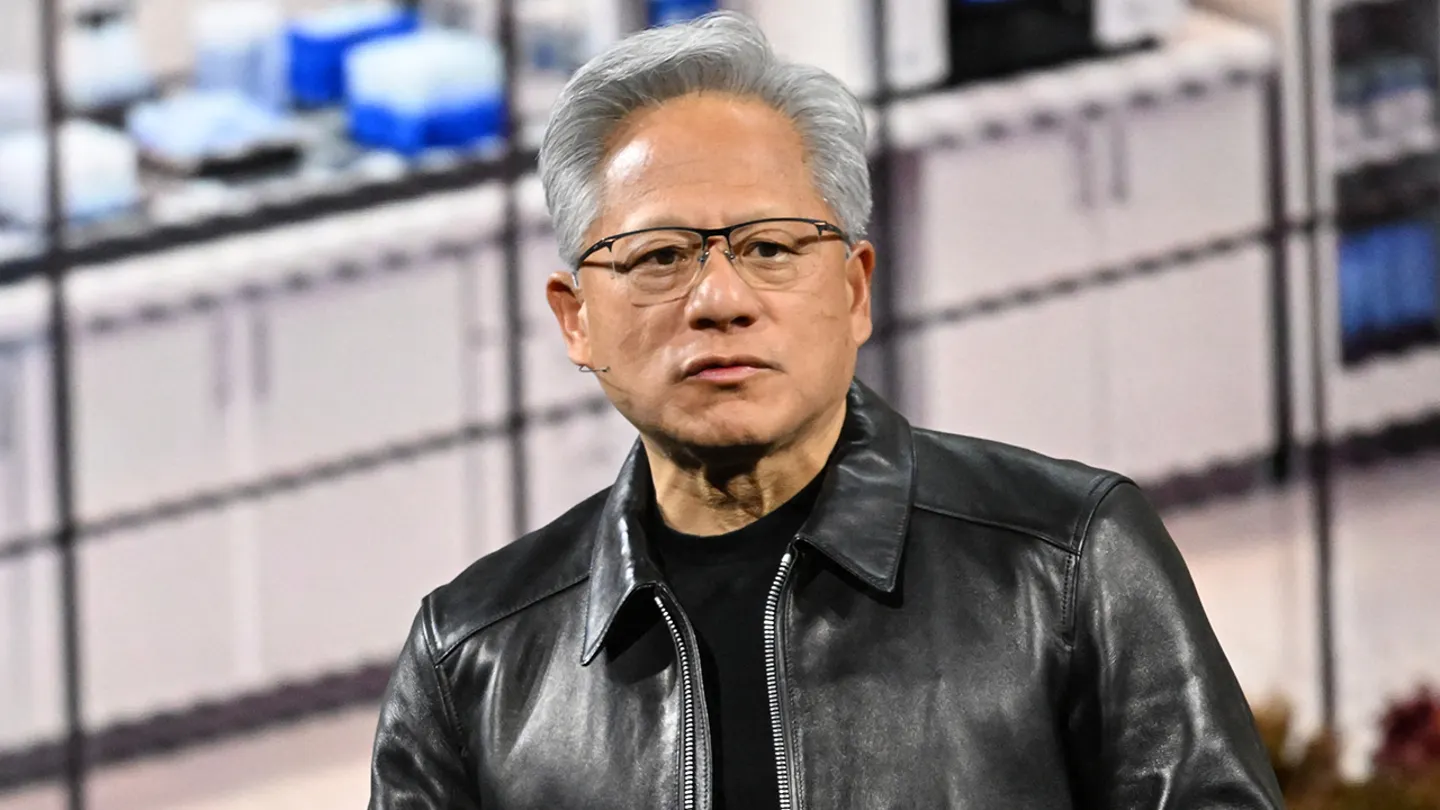
Nvidia reinstates Jensen Huang as CEO following a board reversal that sent the chipmaker’s shares sharply higher on November 23, 2026. The decision restored the company’s co-founder to its top executive position less than two weeks after his resignation, helping revive investor confidence in artificial intelligence stocks.
Nvidia shares surged nearly 30% in early trading, while the Nasdaq gained almost 6% and the S&P 500 climbed about 4%. The rally reflected Nvidia’s influence across the broader technology sector, where investors had been reassessing risks tied to AI spending and the company’s unexpected leadership change.
Nvidia’s Board Reverses Its Leadership Decision
Nvidia announced on November 23 that its board had unanimously voted to restore Huang as president, chief executive officer and director. The decision followed discussions with Huang and consultations involving senior U.S. government officials.
In its official reinstatement announcement, Nvidia said directors were satisfied with Huang’s candor and leadership ability. The board also said it was confident his return would not pose a national security risk.
The reversal followed Huang’s resignation on November 12. Chief Financial Officer Colette Kress had assumed the interim CEO position during his absence. She will continue as CFO, while Harvey Jones remains board chairman.
Just days earlier, Nvidia’s board had publicly opposed bringing Huang back. TechAmerica previously reported on the board’s decision against reinstatement and the uncertainty surrounding the chipmaker’s leadership.
Nvidia Stock Rally Lifts Global Technology Markets
The announcement triggered a broad recovery in technology shares as investors welcomed the return of Nvidia’s longtime leader. Huang has played a central role in developing the company’s graphics processors, AI accelerators and computing infrastructure business.
According to Reuters’ market report, the rally extended beyond U.S. equities. European technology stocks also advanced, while rising Treasury yields reflected a shift away from safer assets.
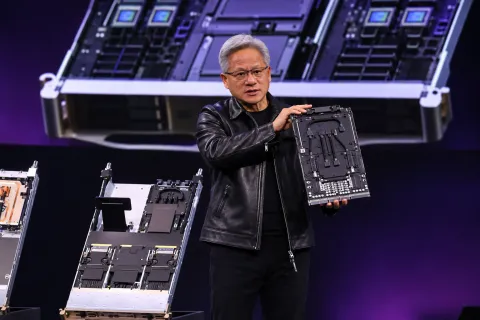
Nvidia’s market influence reaches well beyond semiconductor manufacturing. Its processors and networking systems support AI training and inference across major cloud platforms, enterprise infrastructure and research facilities.
Investors therefore viewed Huang’s reinstatement as more than an internal management decision. It reduced immediate uncertainty surrounding the person most closely associated with Nvidia’s AI strategy and commercial relationships.
Investors Welcome Huang’s Return but Governance Questions Remain
Market analysts welcomed the improved leadership stability but warned that Nvidia’s broader risks remain unresolved. The company’s position in AI computing creates dependencies for customers building large-scale infrastructure.
Stephanie Balaouras, a research executive at Forrester, cautioned that Huang’s return does not eliminate concentration risk. Enterprise customers still need resilient infrastructure strategies and alternatives to dependence on a single technology supplier.
Morningstar’s Lindsey Stewart also raised questions about how Nvidia’s board will oversee significant corporate risks following the reversal. The decision may reassure shareholders about strategic continuity, but it also places greater attention on board independence and accountability.
Those issues matter because leadership stability alone cannot guarantee future AI demand, supply availability or consistent financial performance.
National Security Investigation Continues
Huang’s reinstatement does not conclude Nvidia’s investigation into reports that a foreign intelligence effort may have targeted him. The company said an independent board committee, supported by outside legal counsel, will continue reviewing the matter.
Nvidia has also established a National Security and Export Control Committee to oversee trade compliance and related risks. The company intends to strengthen its compliance leadership and continue cooperating with government inquiries.
The ongoing investigation is separate from the board’s decision to restore Huang. Its existence does not establish that the reported allegations constitute proven wrongdoing.
Nvidia’s November 23 SEC filing formally confirms that directors approved Huang’s reinstatement on November 22, effective immediately.
What Huang’s Return Means for Nvidia
Huang resumes leadership during a critical period for the AI industry. Nvidia continues developing advanced computing platforms while customers weigh substantial infrastructure investments against power requirements, deployment costs and uncertain returns.
The company’s leadership transition also adds another development to its wider 2026 business story. TechAmerica’s Nvidia 2026 coverage examines its AI processors, earnings and executive changes.
The immediate market reaction suggests investors see Huang’s return as a stabilizing force. However, that confidence’s durability will depend on Nvidia’s financial results, the ongoing investigation, and the board’s ability to demonstrate effective oversight.
For now, Huang is back in charge of one of the world’s most influential AI infrastructure companies. Nvidia’s next challenge is translating renewed investor confidence into sustained business performance while addressing the governance concerns surrounding his return.