South Korea expects Nvidia GPU supplies under existing contracts to continue uninterrupted, despite an investigation into the chipmaker’s CEO, Jensen Huang. The government said Monday, Nov. 9, that thousands of processors were already operating and additional deliveries remained scheduled for 2026.
Vice Minister of Science and ICT Ryu Jemyung told a parliamentary budget committee that 10,000 GPUs funded through a 2025 supplementary budget had been delivered and deployed. He said processors ordered for 2026 were also under contract and expected to enter service before year-end.
South Korea Monitors Nvidia GPU Supplies
South Korean officials are maintaining contact with Nvidia’s local operations to review delivery schedules and pricing. Ryu said the company’s current difficulties would not disrupt existing government procurement commitments.
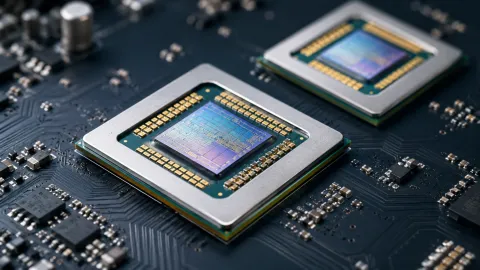
The assurances matter because high-performance GPUs provide the computing power needed to train and operate advanced artificial intelligence models. Reliable deliveries are particularly important for publicly funded computing infrastructure, where delays can affect deployment schedules and access to processing capacity.
South Korea has been expanding its AI computing resources while strengthening relationships with major semiconductor suppliers. The government previously pursued priority access to Nvidia’s next-generation Vera Rubin processors, highlighting its interest in securing advanced computing hardware.
Nvidia Investigation Raises Questions
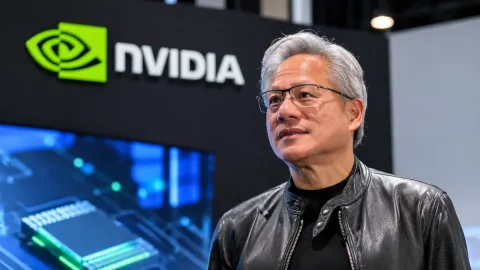
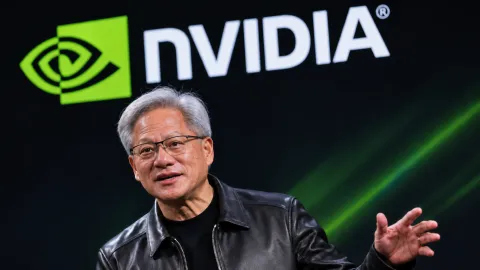
The government’s statement follows Nvidia’s decision to investigate reports that a foreign intelligence operation targeted Huang. The allegations have brought renewed attention to the company’s leadership and the security of advanced semiconductor technology.
In a statement issued Nov. 8, Nvidia said independent directors and outside legal counsel would oversee the investigation. The board said it had no reason to believe U.S. national security or the company’s confidential information had been compromised.
Nvidia also expressed confidence in Huang’s leadership and confirmed that he would cooperate with the inquiry. The investigation remains ongoing, and the company’s statement did not establish that any intelligence breach occurred.
South Korean officials have not identified any disruption to contracted deliveries arising from the controversy. Their assessment concerns existing orders rather than a guarantee about future supply agreements.
Business Meetings Change, AI Event Continues
The controversy has nevertheless affected several Nvidia engagements in South Korea. Madison Huang, an Nvidia senior director and the company’s CEO’s daughter, canceled a planned visit involving local technology businesses.
South Korean AI chip developer Rebellions said her planned headquarters visit and a partner dinner were canceled because of internal circumstances at Nvidia. Kakao Mobility also canceled a scheduled photo session and question-and-answer event involving her.
However, Kakao Mobility said its planned business agreement with Nvidia would proceed. Nvidia senior director Gaurav Agarwal was expected to attend instead, allowing the commercial engagement to continue despite the personnel change.
Nvidia AI Day Seoul was also expected to proceed as scheduled. The two-day event was projected to attract approximately 2,000 participants for discussions covering physical AI, AI agents and computing infrastructure.
What the Supply Outlook Means for South Korea
The immediate distinction is between processors already deployed and hardware still awaiting delivery. South Korea has confirmed that its earlier allocation of 10,000 GPUs is in use, while officials expect the remaining contracted equipment to arrive on schedule.
Continued access to these processors would support the country’s expanding AI infrastructure. However, the government’s confidence does not eliminate potential risks related to production, shipment timing or future procurement costs.
For now, South Korea is keeping its Nvidia arrangements in place while monitoring developments. The next practical measure of supply stability will be whether the remaining 2026 orders arrive and enter operation as expected.