Ford Privacy Promise is a new commitment from the automaker to explain how it collects, uses and protects customer vehicle data. Announced Monday, Nov. 2, the initiative includes a dedicated website where drivers can learn about data-sharing practices and manage their privacy settings.
Ford says customers can control what information they share through their vehicle or the Ford app. Although these settings already existed, the company wants to make them easier to understand. The effort comes ahead of new connected vehicles built on Ford’s upcoming universal electric vehicle platform.
Ford Chief Privacy Officer Kristin Jones said the company wants customers to understand why it collects specific information. Ford also promises not to sell personal driving behavior data to brokers or insurance companies.
Ford Privacy Promise Explains Data Collection and Controls
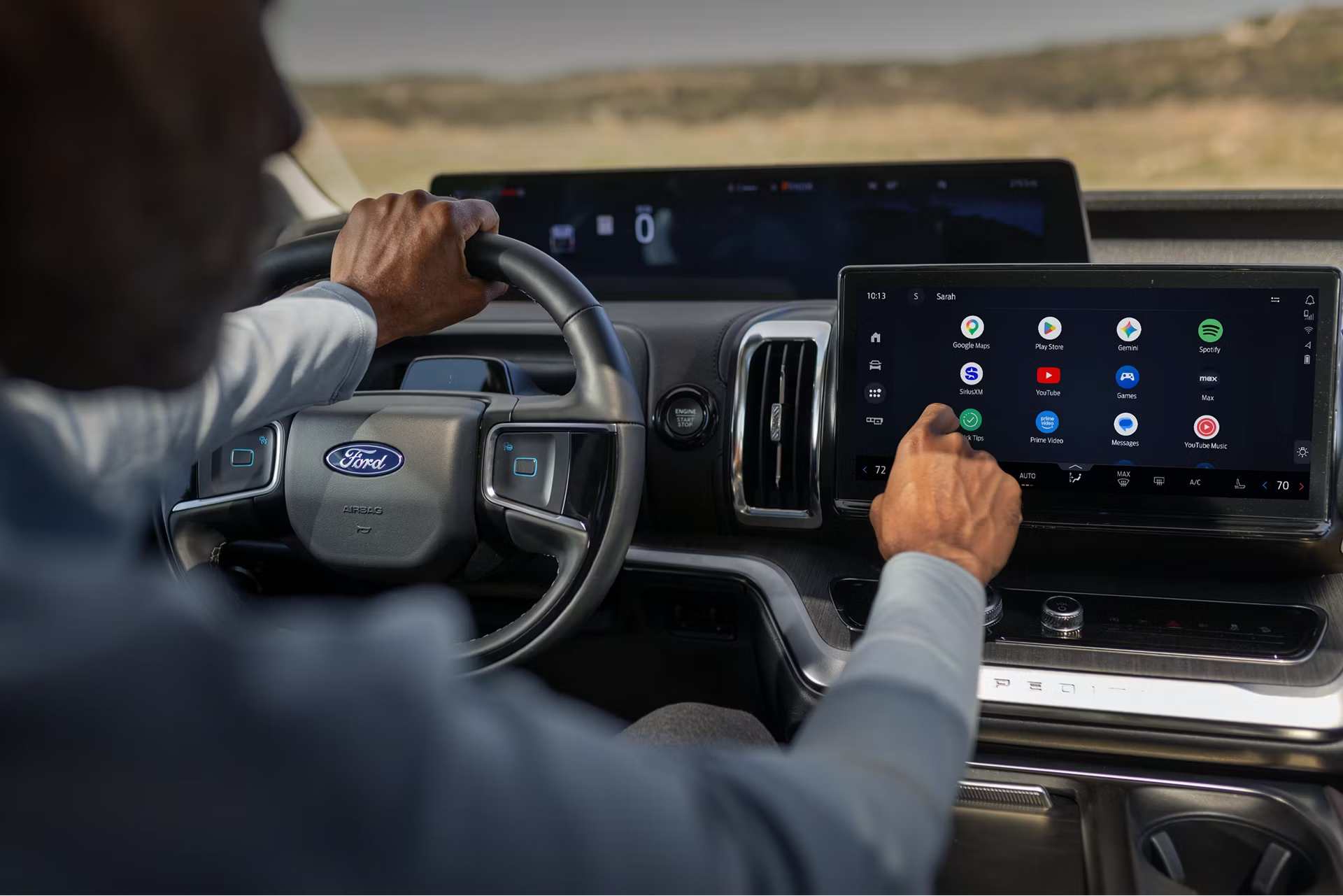
Connected vehicles collect location information, driving characteristics, and vehicle performance data. Ford says it uses this information to provide navigation, traffic updates, roadside assistance and maintenance alerts.
Vehicle diagnostics can also help identify mechanical problems and support research into future technologies. However, customers who disable certain data-sharing options may lose access to connected features.
For example, turning off connected services can disable real-time navigation and built-in roadside assistance. Other functions, including BlueCruise and vehicle location tracking through the Ford app, may also become unavailable.
Jones said Ford surveyed more than 1,000 consumers and found that 91% considered data privacy important. The company developed its new website to explain these trade-offs and help customers make informed decisions.
Connected Car Privacy Faces Growing Scrutiny
Demand for connected vehicle features continues to increase, even as questions about data collection remain. A recent Verra Mobility survey found that 72% of respondents expected their next vehicle to function like a smartphone.
However, only 14% said they fully understood what information their vehicles collected. Separate research into connected cars has raised concerns about information shared with third-party companies.
The issue recently brought regulatory consequences for General Motors. In October, the automaker agreed to a $220 million settlement with 36 attorneys general over allegations that it sold drivers’ location and behavior data.
Other automakers are also using privacy as a selling point. Electric vehicle startup Slate Auto has taken a different approach by excluding built-in cellular modems from its upcoming pickup truck. The design limits automatic vehicle connectivity and relies on an optional smartphone app.
Ford is retaining connected services while emphasizing customer choice. The company says its goal is to provide useful vehicle features without turning drivers’ personal information into another revenue stream.