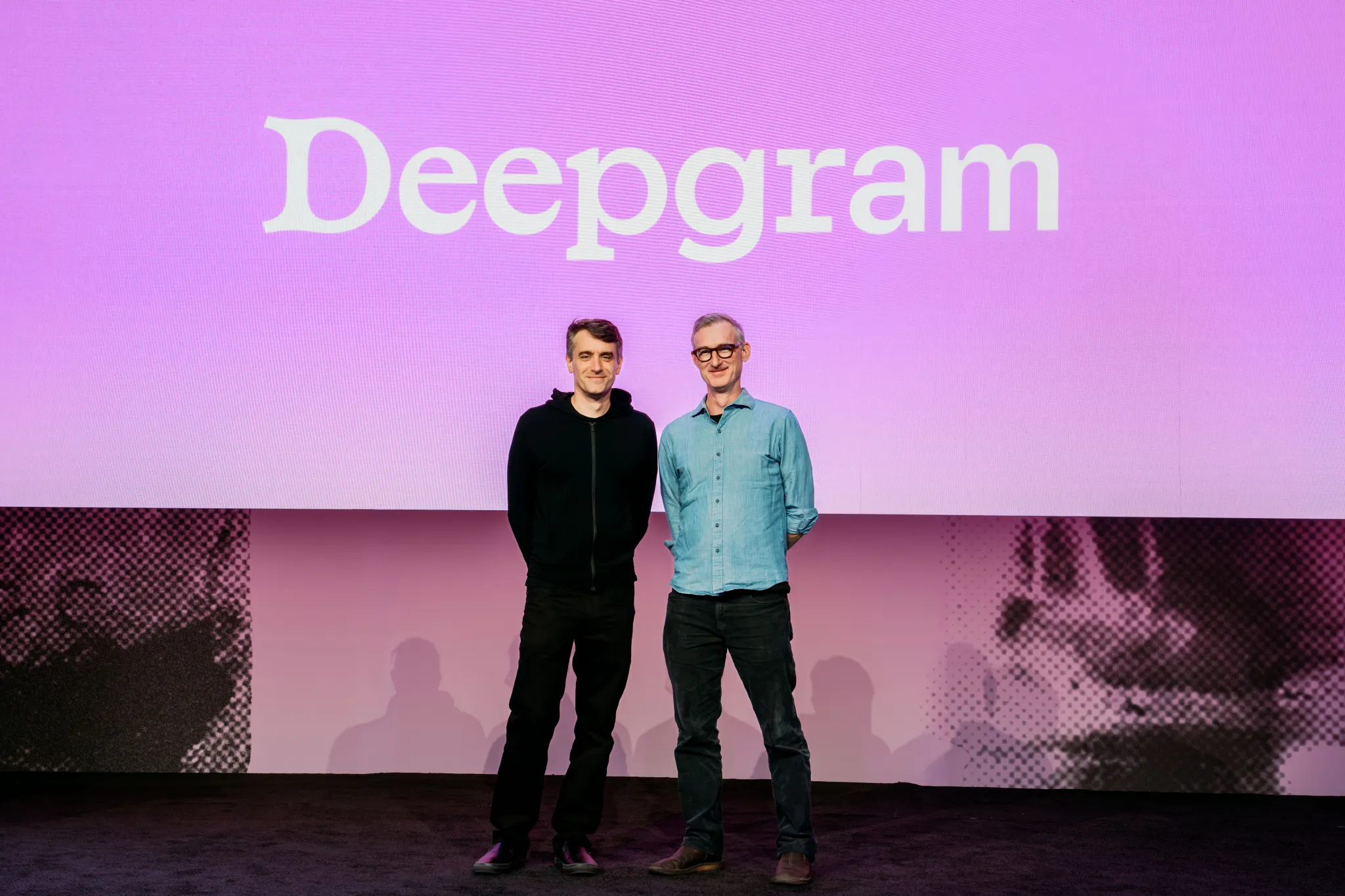
The agreement for Deepgram to acquire Daily will bring the open-source Pipecat framework into its voice AI business. Announced Thursday, the acquisition will combine Deepgram’s speech models with Daily’s real-time voice and video infrastructure.
The companies did not disclose the purchase price. They confirmed that Pipecat will remain free, open source and vendor-neutral, allowing developers to use models from different providers.
Deepgram to Acquire Daily and Expand Voice AI Infrastructure
Daily develops infrastructure for real-time audio and video communication. Its Pipecat framework connects speech-to-text systems, large language models and text-to-speech tools into conversational AI applications.
The framework manages audio streams, interruptions, and communication between models while reducing delays. This makes it useful for building AI voice agents that respond naturally during conversations.
Daily co-founder Kwindla Hultman Kramer said Deepgram’s commitment to keeping Pipecat open source was central to the agreement. He also cited the companies’ compatible engineering cultures.
Deepgram CEO Scott Stephenson said developers should be able to choose whichever models best suit their applications. The acquisition will allow the company to offer a more complete platform without restricting customers to Deepgram technology.
The companies also plan to establish an independent Pipecat Foundation to support the framework’s development and maintain its vendor-neutral approach.
New Real-Time Context Standard for AI Agents
Alongside the acquisition, Deepgram introduced the Real-Time Context Standard (RCS), an open protocol developed with the Pipecat team.
RCS helps voice agents preserve information that traditional speech pipelines can lose. This includes speaking tone, background sounds and other conversational signals.
The protocol defines metadata that describes audio context, language-model instructions, and guidance for spoken responses. For example, an AI agent could recognize a whisper and respond more quietly.
Deepgram also plans to integrate Pipecat into its upcoming Voice Agent Platform. The system will combine speech models, real-time communication infrastructure and developer tools.
Voice AI Investment and Competition Continue Growing
Deepgram raised $130 million in January 2026 at a $1.3 billion valuation. PitchBook data shows Daily has secured more than $62 million from investors. Both companies participated in Y Combinator’s 2016 startup accelerator.
Investment across the voice AI industry has accelerated. Competitor ElevenLabs raised $500 million earlier this year, while companies such as LiveKit and Vapi have attracted funding for voice infrastructure.
Enterprise-focused startups are also developing specialized speech systems. Rime secured $24 million to expand its AI platform for customer phone conversations.
For Deepgram, acquiring Daily adds technology for coordinating voice and video interactions alongside its existing speech models. Keeping Pipecat independent will matter for developers who rely on multiple AI providers.