The Underdog Woof speech model can generate spoken audio in a web browser while taking up just 31.7MB. The AI startup demonstrated the technology through an interactive game released Nov. 5, 2026, showing how small speech models can operate locally without relying on cloud processing.
Woof contains 31 million parameters and is available for anyone to download. Underdog says the model can run on most devices without an internet connection, offering a compact alternative to larger speech-generation systems.
Underdog Woof Speech Model Powers Browser Game
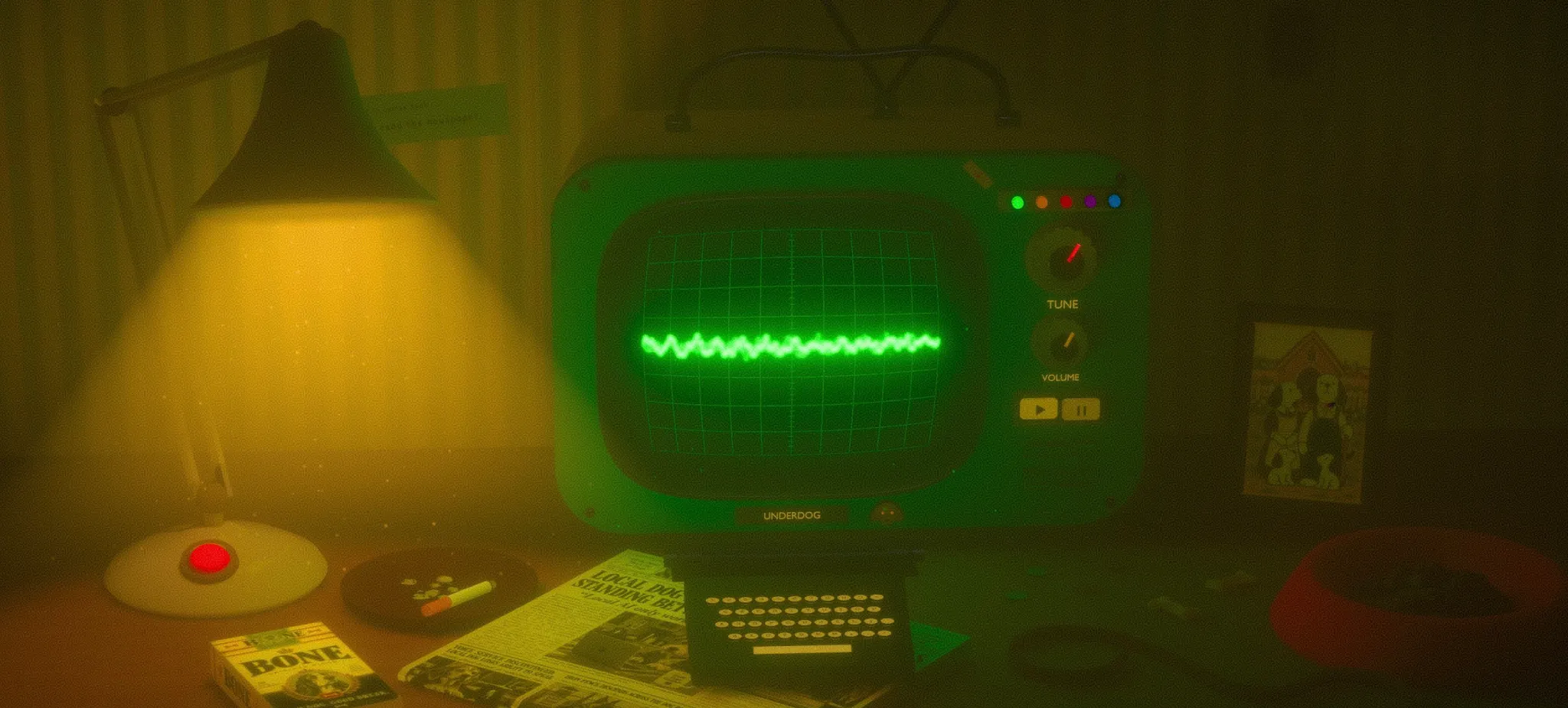
Underdog introduced Woof through an interactive game called Escape, set inside a room filled with retro technology. Players encounter a typewriter, a CRT monitor, a desk lamp and a music tuner.
Typing on the virtual typewriter generates spoken audio using Woof, while adjusting the tuner produces different musical sounds. The game also references intrusive cloud providers, reflecting the startup’s preference for locally operated AI.
Underdog promoted the demonstration through its X account. The company says the model’s small footprint makes it suitable for devices with limited computing resources.
Underdog Expands Its Offline AI Model Collection
Woof follows the introduction of Bark, Underdog’s 167MB speech-to-text model designed for transcription and dictation. While Bark converts speech to written text, Woof does the reverse by generating audio from text.
The startup is developing these models as part of a broader effort to reduce dependence on cloud-based AI services. Founder Sigil Wen told TechCrunch that he wanted AI applications to run on personal devices while letting users retain control of their data.
Wen has outlined that vision in Underdog’s privacy manifesto. TechAmerica previously covered the company’s private on-device AI assistant, which also emphasizes local processing.
Underdog has additionally released a 27-billion-parameter language model designed to run on laptops. Its personal AI assistant remains available through a waitlist.
Although Woof’s compact size could make it useful for offline voice assistants and personalized audio applications, independent testing has not established its performance relative to larger speech models. The browser demonstration shows what the model can accomplish locally, but broader use will depend on speech quality and device compatibility.