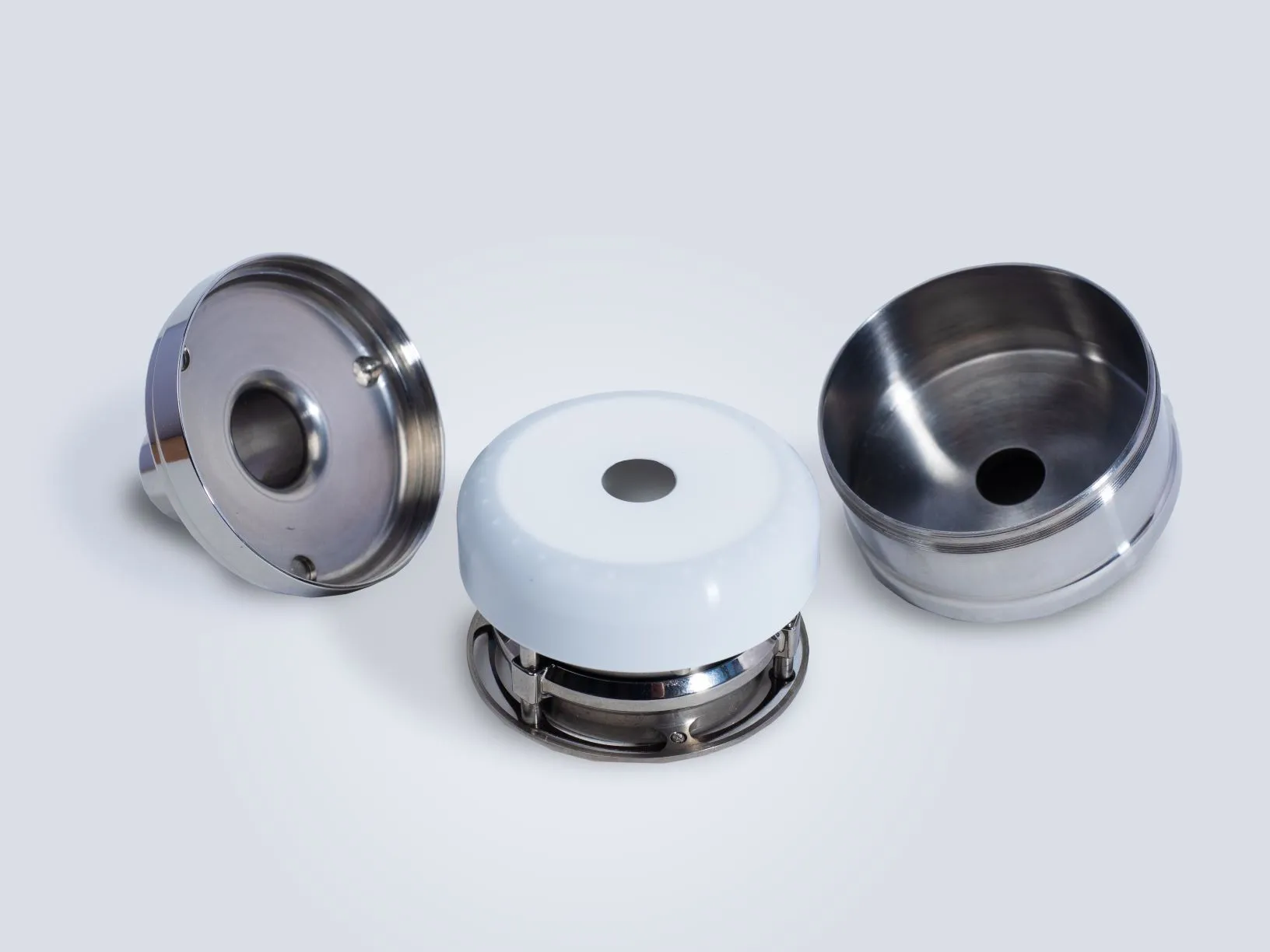
CorWave met its primary endpoint in a five-patient feasibility study of people with advanced heart failure, the company announced Nov. 26.
The French company is developing an implanted heart pump that uses a moving membrane to support circulation. Early findings support further investigation, but five patients cannot establish long-term safety or an advantage over existing devices.
CorWave LVAS meets its 30-day endpoint.
The study took place at St Vincent’s Hospital in Sydney and the University Medical Centre Heart Centre in Astana, Kazakhstan. Surgeons successfully implanted the system in all five participants using a standard approach for left ventricular assist devices.
At 30 days, all participants were alive and free from the specified device-related adverse events. Those events included nonsurgical bleeding, infection, disabling stroke and pump malfunction.
CorWave also reported several subsequent outcomes:
- Three patients received heart transplants after device support.
- Two patients returned home while continuing to receive pump support.
- The devices provided more than 650 cumulative days of support, with no reported pump thrombosis.
The support figure combines experience across the study. It should not be interpreted as 650 days of follow-up for each patient. The findings were presented at the EACTS Mechanical Circulatory Support Summit in Amsterdam, held Nov. 19–21.
A pump designed to respond to activity
CorWave’s technology aims to preserve the natural pulse while adjusting support as a patient’s activity changes. Its wave membrane works in coordination with the heartbeat, using a different pumping mechanism from conventional rotary devices.
In an October clinical update, the company described a case in which support increased during exercise and decreased at rest. The adjustment occurred automatically, without clinical team intervention. Investigators also observed the aortic valve opening with each heartbeat.
These observations address an important engineering goal: adapting circulatory support to changing demand. However, demonstrating that a pump responds to activity does not establish that patients experience fewer complications or live longer. Those questions require broader clinical evidence. The CorWave LVAS is intended for durable support in advanced heart failure. That differs from the Vitalyst heart pump, which Boston Scientific is developing for temporary support in heart-attack-related cardiogenic shock.
Other developers are exploring electrical approaches. The investigational Ceryx implant uses cardiac pacing rather than pumping blood. These devices serve different clinical purposes, so progress in one program does not establish effectiveness in another.
Public funding supports further development.
CorWave’s Nautilus project was selected under IPCEI Tech4Cure, with support through France 2030. The company described the award as public funding of up to €51.9 million to advance its technology and clinical program.
The wording matters financially. An award ceiling does not mean the company has already received the full amount. It also does not represent revenue from commercial device sales.
The European Commission approved Tech4Cure in July 2025. The initiative brings together 10 companies from five member states to support medical device research and initial industrial deployment.
Participating governments plan to provide up to €403 million across the program. That broader funding framework is separate from CorWave’s individual award and from regulatory authorisation of its pump. A larger study will test the clinical promise.
The next challenge is determining whether early technical performance translates into sustained patient benefit. A larger study can provide more information about complications, reliability and outcomes across a broader patient population.
According to CorWave, the planned pivotal trial will involve centres in several countries and support a CE marking application. CorWave LVAS remains available for clinical investigation only; the feasibility results do not make it a commercially authorised treatment.