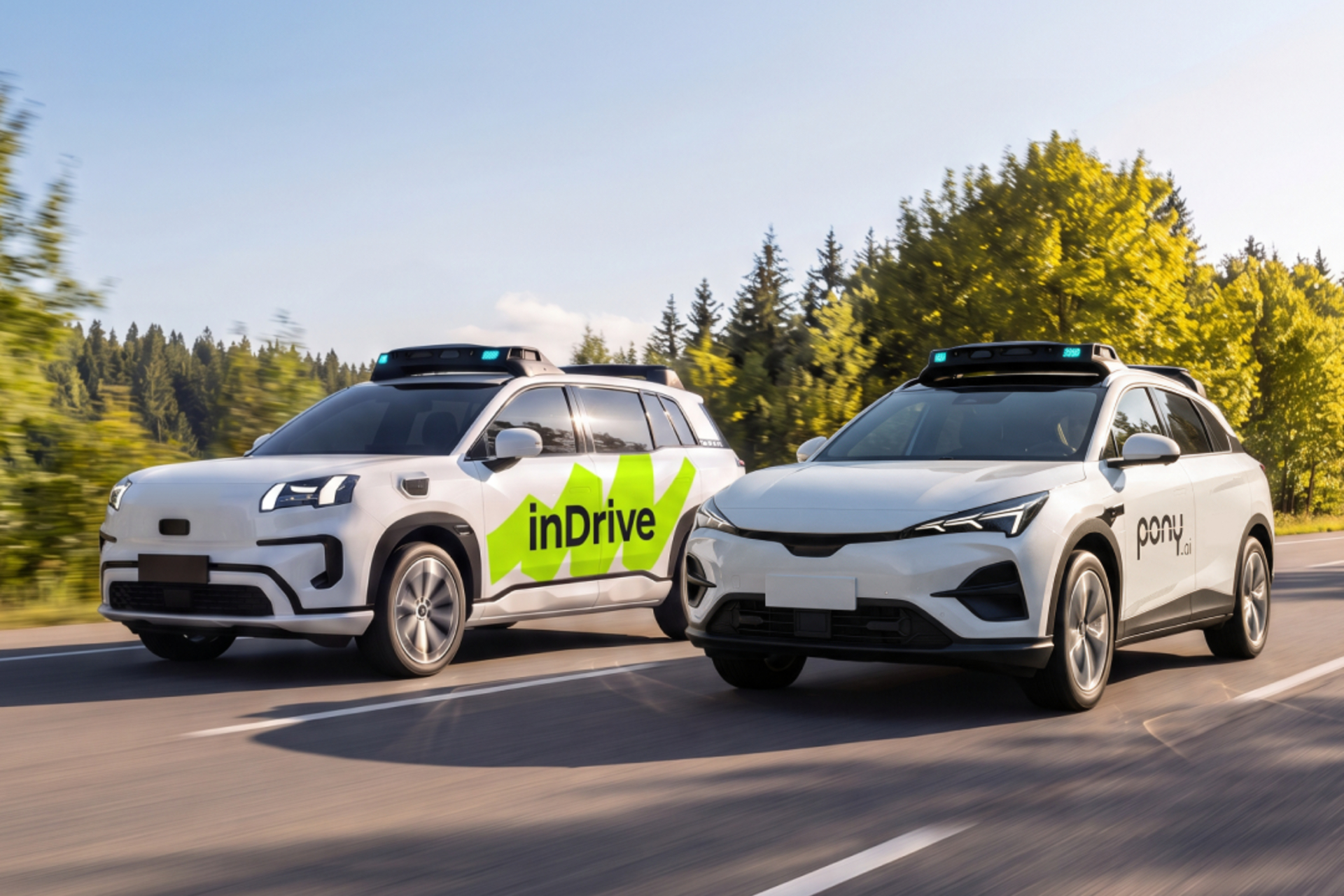
inDrive plans to test robotaxis in Kazakhstan in the first half of 2027 under a new partnership with Chinese autonomous-driving company Pony.ai and Nvidia. The project will begin in Astana, Kazakhstan’s capital, with safety operators aboard before potentially expanding to fully driverless passenger rides.
The companies announced a memorandum of understanding on Oct. 23 to explore integrating Pony.ai’s autonomous vehicles into inDrive’s ride-hailing platform. The agreement reflects growing interest in commercial robotaxi services beyond the United States and China.
inDrive Robotaxi Tests in Kazakhstan to Use Nvidia Technology
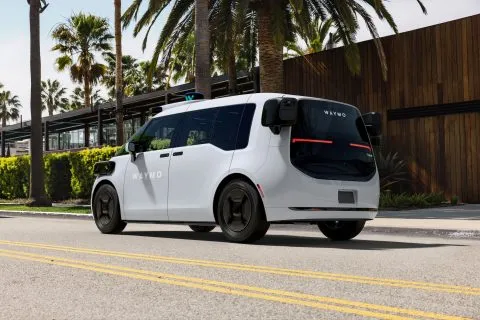
Under the proposed arrangement, Pony.ai will provide its seventh-generation Gen-7 robotaxis, while inDrive will operate the vehicles and manage bookings through its app. Nvidia will supply AI technology, including its Hyperion platform and Halos safety system.
inDrive Chief Technology Officer Yuri Misnik said initial trials will involve safety operators, with fully autonomous operations as the longer-term objective. The companies have not announced a commercial launch date.
Nvidia’s Hyperion platform combines computing hardware and sensors to simplify autonomous vehicle development. Its technology could reduce integration costs, particularly in emerging markets where robotaxi fares must remain competitive with conventional ride-hailing services.
The initiative places inDrive alongside Uber, which has expanded its robotaxi partnerships internationally. TechAmerica.ai recently reported on Uber and Pony.ai’s London robotaxi plans, involving the same generation of autonomous vehicles.
Kazakhstan Prepares for Autonomous Taxi Services
Kazakhstan has already announced plans to introduce driverless taxi services in 2027. According to The Astana Times, initial pilot programs cover Astana, Almaty and Kosshy, with regulatory preparations underway.
Astana’s severe winter weather poses a major technical challenge. Snow, ice and reduced visibility can complicate autonomous navigation, making the city a demanding environment for evaluating driverless technology.
Waymo’s testing plans in Toronto include similar winter conditions, where supervised autonomous trials are expected to precede commercial passenger services.
For Pony.ai, Kazakhstan represents another opportunity to expand internationally. Its second-quarter financial results showed a fleet of 1,975 robotaxis at the end of June, with a target of more than 3,500 vehicles by the end of 2026.
inDrive Expands Its Robotaxi Strategy
Kazakhstan is not inDrive’s first autonomous vehicle initiative. In December 2025, the company signed an agreement with Saudi Arabia’s AI Driver to explore robotaxi deployments using WeRide technology, initially targeting Riyadh.
That project targeted a pilot in the first half of 2026, although its current operational status remains unclear.
inDrive operates in more than 1,200 cities across 47 countries, offering ride-hailing, delivery, and other transportation services. Its strategy emphasizes partnerships rather than building autonomous driving systems internally.
Future robotaxi expansion will depend on testing results, regulatory approvals and operating costs. For now, the Astana project remains a proposed deployment rather than a confirmed commercial service.