The Virtuoso robot has received FDA De Novo authorisation to remove bladder lesions in adults and collect tissue to support cancer diagnosis. Virtuoso Surgical announced the decision on Nov. 10 and plans a focused U.S. launch at urology centres in 2027.
The FDA database records the authorisation date as Oct. 30, 2026, under application DEN250054. The decision establishes a new classification for electromechanical surgical systems used in endoluminal procedures, where instruments operate inside the body through an endoscope.
How the Virtuoso robot handles bladder lesions
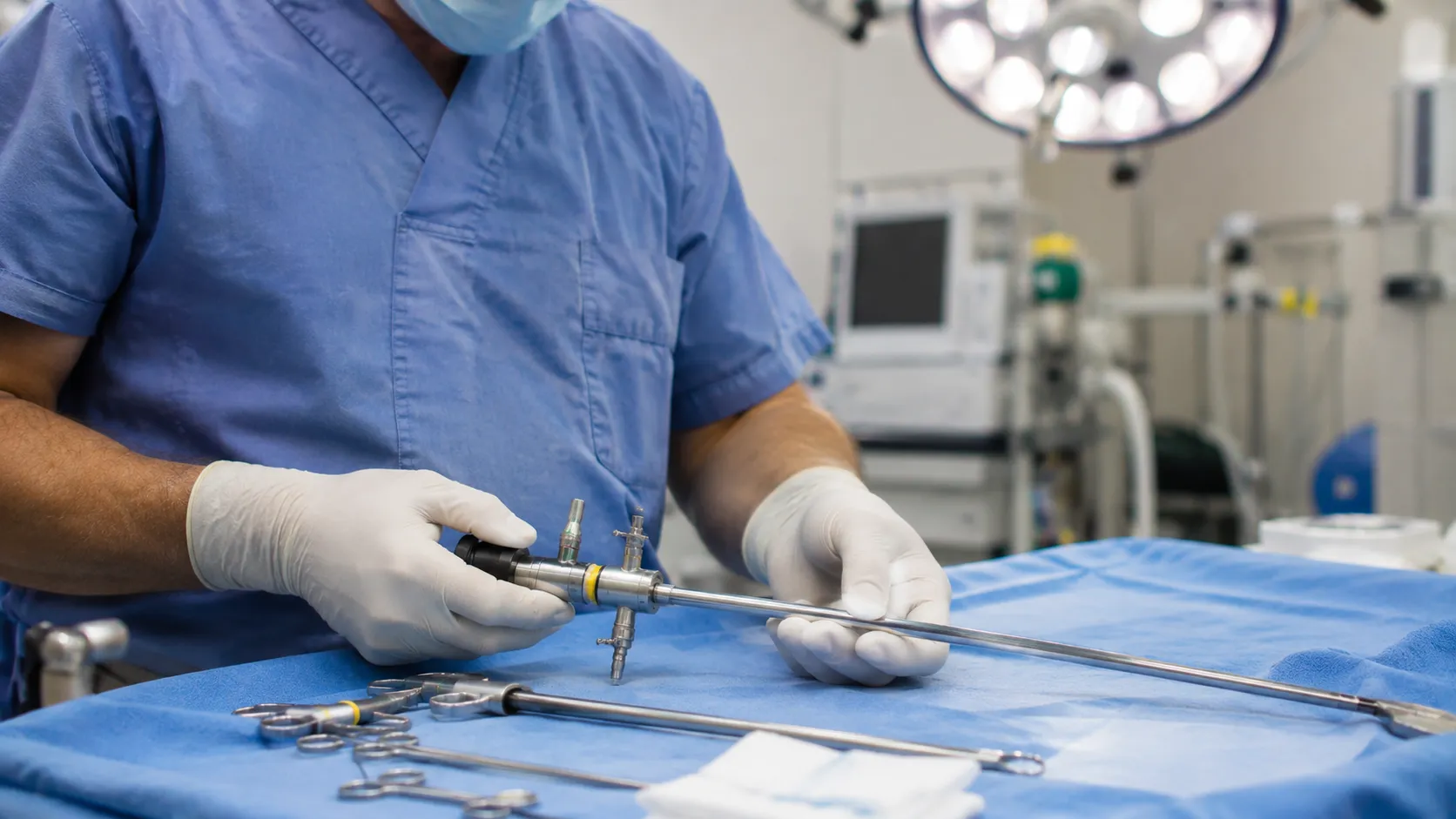
The Virtuoso robot places two miniature robotic arms at the tip of a rigid endoscope passed through the urethra. A surgeon controls the instruments from a console, using one arm to lift tissue while the other dissects beneath it.
The arms use concentric tubes made from superelastic nitinol, allowing controlled movement within the confined working space. This arrangement brings two-handed tissue manipulation to an approach that requires no external incisions.
The authorised technique is called en bloc resection, which aims to remove a lesion as an intact specimen. Modified en bloc procedures can remove tissue in larger segments when a single-piece approach is unsuitable.
Conventional transurethral resection often removes tumours in fragments. Preserving tissue structure can help pathologists examine the specimen and determine how deeply cancer has invaded, information that informs subsequent treatment decisions.
The system is intended for trained surgeons working in an operating room. Its authorisation covers obtaining bladder tissue, including detrusor muscle, for diagnostic evaluation. Detrusor muscle forms the bladder’s muscular wall, and its presence in a specimen helps pathologists assess the cancer’s stage. Authorisation does not establish that the device reduces cancer recurrence or improves survival.
Early findings focus on specimen quality.
In its announcement, Virtuoso reported results from its sponsored VIABLE study’s first 20 patients. All were treated at The Chinese University of Hong Kong. The findings concern tissue quality and procedural safety in a small initial group.
According to the company:
-
Detrusor muscle was present in 94% of removed lesions.
-
Surgical margins could be evaluated in 93% of malignant lesions.
-
No intraoperative adverse events were reported.
The muscle-sampling result exceeded the study’s prespecified 60% performance goal. However, that comparison is against a benchmark, not a randomised group of patients treated with conventional instruments.
The reported percentages describe lesions, not individual patients. They should not be interpreted as the proportion of patients cured or protected against recurrence. The company characterised the findings as preliminary and cautioned that larger studies or commercial use could produce different results.
Published research provides additional safety context.
A peer-reviewed report on the first phase of VIABLE evaluated six patients with 12 bladder lesions. Investigators removed all lesions using en bloc or modified en bloc techniques without switching to standard resection equipment.
Detrusor muscle was present in every specimen, and surgical margins were evaluable in 91%. The mean procedure time was 52 minutes, with no intraoperative adverse events or complications reported.
Two patients experienced postoperative adverse events. One developed mild urinary retention that resolved with conservative management. Another developed a chest infection subsequently linked to a newly diagnosed oesophageal tumour invading the trachea.
The researchers reported no bladder perforations, reoperations within 30 days or deaths during that period. These observations support feasibility, but the small cohort cannot establish comparative safety or long-term cancer outcomes.
U.S. launch planned for 2027
The Virtuoso robot adds to a growing field of systems designed to work through natural anatomical openings. Other developers, including EndoQuest Robotics, are pursuing endoluminal platforms for different procedures, with separate clinical programs and regulatory requirements.
The FDA is also developing broader recommendations for robotic surgical submissions. Its work on surgical robot guidance addresses evidence and labelling for these devices. That process is separate from the authorisation granted to an individual system.
Virtuoso plans its initial U.S. rollout in 2027 and is exploring applications beyond urology, MedTech Dive reported. Early non-human feasibility work includes gynaecology, pulmonary procedures and neurosurgery, but those uses remain investigational and outside the current FDA-authorized indication.