



































H-1B Visa and U.S. Work Permit: Complete Guide for Foreign Professionals (2026)
Learn everything about the H-1B visa and U.S. work permit in this complete guide. Eligibility, requirements, application process, fees, timeline, and FAQs.
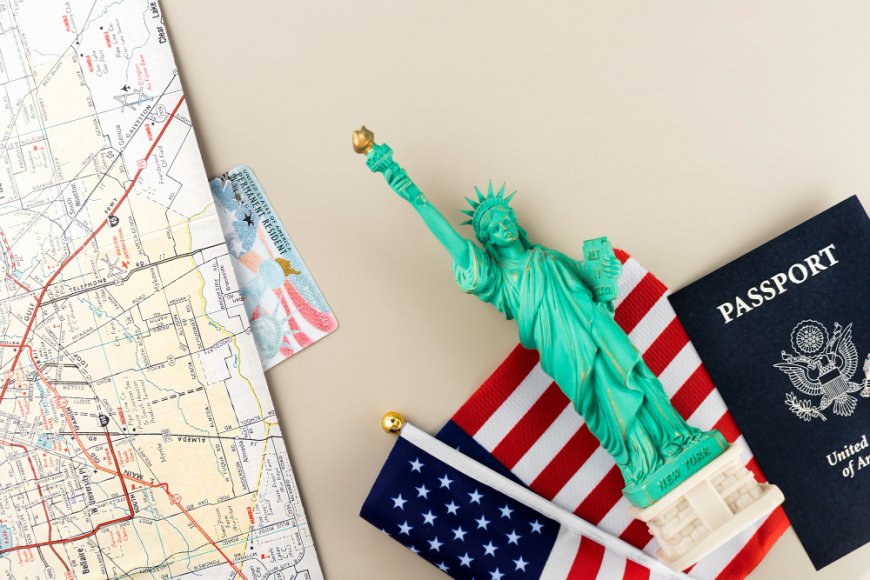
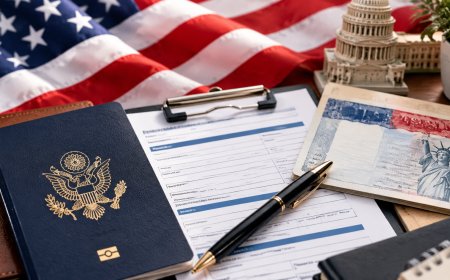
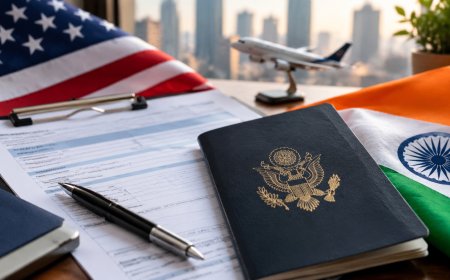
The H-1B visa is one of the most important pathways for skilled foreign professionals who want to work legally in the United States. Every year, thousands of international workers apply for the H-1B visa to build careers in technology, engineering, healthcare, finance, education, and other specialized fields.
Many people also search for information on U.S. work permits, which can be confusing. While both permit employment in the U.S., they are distinct legal authorizations. This blog explains everything you need to know about the H-1B visa and U.S. work permit, including eligibility, application steps, costs, timeline, and long-term benefits.
What Is an H-1B Visa?
The H-1B visa is a non-immigrant work visa issued by the U.S. government. It allows U.S. employers to hire foreign nationals for speciality occupations that require specialized knowledge and at least a bachelor’s degree or equivalent experience.
The visa is employer-sponsored, meaning you cannot apply on your own. A U.S. company must offer you a job and file the petition on your behalf.
The H-1B visa is typically granted for an initial period of three years and may be extended for up to six years.
What Is a U.S. Work Permit?
A U.S. work permit, officially known as an Employment Authorisation Document (EAD), is a separate document that allows certain non-citizens to work in the United States.
Unlike the H-1B visa, a work permit does not require employer sponsorship. It is typically issued to individuals such as asylum applicants, students on OPT, spouses of certain visa holders, and applicants waiting for green cards.
H-1B visa holders do not need a separate work permit because the visa itself grants work authorization.
Difference Between H-1B Visa and Work Permit
The H-1B visa ties you to a specific employer and job role. You can only work for the sponsoring employer unless a new employer files a transfer petition.
A work permit, on the other hand, allows you to work for almost any employer without restriction, but it is usually temporary and tied to a specific immigration status.
H-1B Visa Eligibility Requirements
To qualify for an H-1B visa, both the employee and the employer must meet specific requirements.
The job must be classified as a speciality occupation, meaning it requires specialized knowledge and a bachelor’s degree or higher in a related field.
The applicant must have a relevant degree or equivalent professional experience.
The employer must agree to pay the required prevailing wage and comply with U.S. labour laws.
H-1B Visa Application Process
The H-1B application process begins with the employer.
First, the employer registers the candidate in the H-1B lottery system during the registration period, which usually opens in March.
If the candidate is selected, the employer files a Labour Condition Application with the U.S. Department of Labour to confirm wage and working conditions.
After LCA approval, the employer submits Form I-129 along with supporting documents to U.S. Citizenship and Immigration Services (USCIS).
If approved, the applicant can either change status within the U.S. or attend a visa interview at a U.S. consulate abroad for stamping.
H-1B Visa Lottery and Cap
The U.S. government limits the number of new H-1B visas issued each year.
There is a regular cap and an additional quota for applicants with U.S. master’s degrees or higher.
Because demand exceeds supply, USCIS uses a random lottery to select applicants.
Certain employers, such as universities and nonprofit research institutions, are exempt from the annual cap.
H-1B Visa Fees
The employer primarily covers H-1B visa fees, including registration, petition, training, fraud prevention, and optional premium processing.
By law, employers cannot pass on most of these fees to employees.
H-1B Processing Time
Standard processing usually takes a few months, depending on the USCIS service centre and workload.
Employers can choose premium processing, which significantly shortens the decision timeline.
Changing Jobs on an H-1B Visa
One advantage of the H-1B visa is job portability.
If you receive a new job offer, the new employer can file an H-1B transfer petition. You may begin working for the new employer as soon as USCIS receives the petition, even before approval.
H-1B to Green Card Pathway
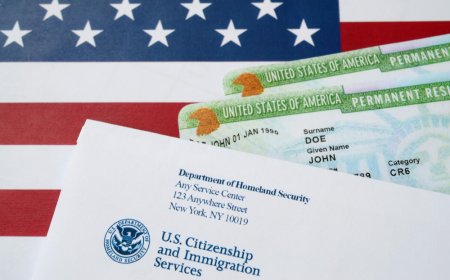
The H-1B visa allows dual intent, meaning you can legally apply for a green card while holding H-1B status.
Most H-1B holders apply for permanent residence through employment-based green card categories such as EB-2 or EB-3.
The process typically involves labour certification, an immigrant petition, and either adjustment of status or consular processing.
Benefits of the H-1B Visa
The H-1B visa allows legal employment in the U.S., competitive salaries, and long-term career growth.
It permits dependents to live in the U.S. under the H-4 visa category and, in some cases, for spouses to work.
It also offers a clear path toward permanent residency and U.S. citizenship.
Common H-1B Visa Mistakes
Common mistakes include submitting incomplete documents, selecting the wrong job classification, failing to meet wage requirements, and missing deadlines.
Engaging a qualified immigration attorney can help reduce risks and improve the likelihood of approval.
Frequently Asked Questions
1. What is an H-1B visa?
The H-1B visa is a U.S. work visa that allows companies to hire foreign professionals for speciality jobs that require specialized knowledge and a bachelor’s degree or higher.
2. Is the H-1B visa the same as a U.S. work permit?
No, the H-1B visa is not a work permit. The visa authorizes employment with a specific employer, while a work permit permits open employment without employer sponsorship.
3. Who is eligible to apply for an H-1B visa?
Applicants must have a job offer from a U.S. employer, a relevant bachelor’s degree or equivalent experience, and the job must qualify as a speciality occupation.
4. How does the H-1B lottery work?
USCIS conducts a random lottery each year because the number of applications exceeds the annual visa limit. Only selected registrations can file full H-1B petitions.
5. Can I change jobs on an H-1B visa?
Yes, you can change jobs. The new employer must file an H-1B transfer petition, and you can start working once USCIS receives the petition.
6. How long can I stay in the U.S. on an H-1B visa?
The H-1B visa is typically granted for three years and may be extended for up to six years, with some exceptions for green card applicants.
7. Can H-1B visa holders apply for a green card?
Yes, the H-1B visa allows dual intent, meaning you can apply for a green card while legally working in the U.S.
8. Can my spouse work in the U.S. on an H-1B visa?
Spouses on an H-4 visa may be eligible to work if they qualify for an H-4 EAD under specific conditions.
9. What happens if my H-1B visa is denied?
If your H-1B petition is denied, you may need to leave the U.S. unless you have another valid immigration status or appeal the decision.
10. Is premium processing worth it for H-1B visas?
Premium processing is helpful if you need a faster decision. It does not increase approval chances but significantly reduces waiting time.
Final Thoughts
The H-1B visa remains one of the most powerful options for skilled professionals seeking employment in the United States. While the process is competitive, understanding the rules, preparing documentation correctly, and working with a reliable employer can significantly improve your chances of success.
If your goal is to work in the U.S. and build a long-term future, the H-1B visa is a strong and proven pathway.
What's Your Reaction?
 Like
0
Like
0
 Dislike
0
Dislike
0
 Love
0
Love
0
 Funny
0
Funny
0
 Angry
0
Angry
0
 Sad
0
Sad
0
 Wow
0
Wow
0