
































Are Humanoid Robots Really the Next Smart Home Gadget?
CES showcased humanoid robots and task-focused home machines. Are human-like robots ready for homes, or are simpler robots the real future?
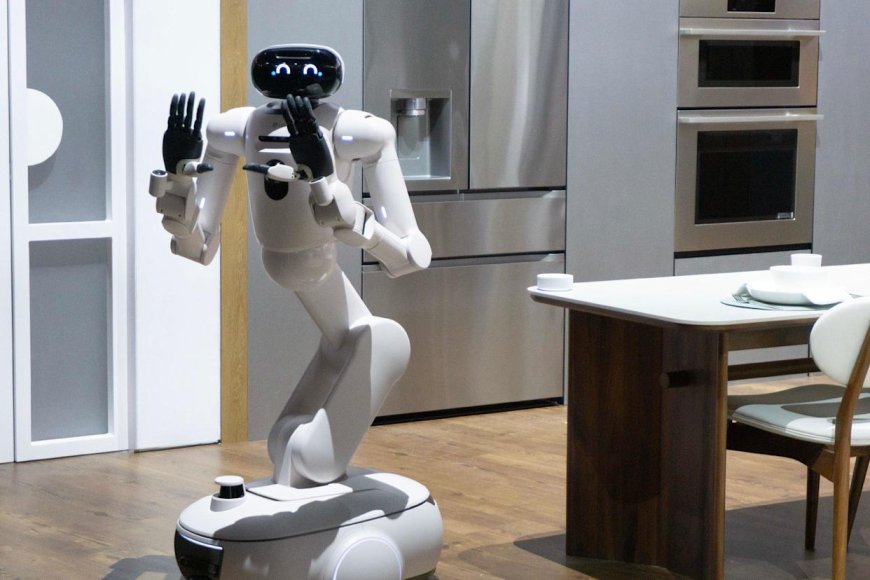
Searches like “humanoid robots for home,” “CES robots 2026,” “home robots laundry,” and “future of smart home robots” have surged on Google Trends, and CES has been a big reason why. This year’s show was packed with robots that promised to help around the house — some shaped like humans, others very much not.
So are humanoid robots actually ready to become the next smart home gadget, or is the future heading in a different direction? Based on what dominated headlines and reviews from the CES show floor, here’s what’s really going on.
What CES Revealed About Home Robots
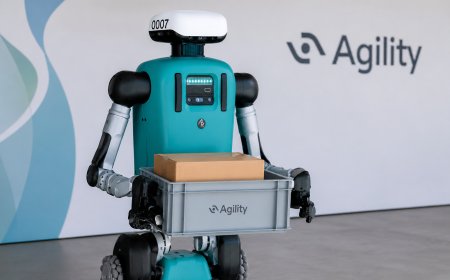
CES highlighted two clear paths for home robotics:
- Humanoid robots are designed to move and work like people
- Single-purpose or hybrid robots built to solve specific household tasks
The contrast between these approaches couldn’t have been more apparent once live demos began.
Humanoid Robots Look Impressive — But Struggle in Reality
One of the most talked-about humanoids at CES was Zeroth’s Jupiter, a robot designed to navigate homes the same way a person would. The idea sounds perfect: if a robot has arms and legs like us, it should be able to do our chores.
But real-world demos told a different story. Jupiter struggled with balance and even fell during a live demonstration — a moment that quickly went viral and became symbolic of the challenges humanoid robots still face.
The problem isn’t intelligence alone. It’s physics. Walking, balancing, and recovering from mistakes in unpredictable home environments remains extremely difficult, even with advanced AI.
LG’s CLOiD Shows a More Practical Direction
In contrast, LG’s CLOiD home robot received far more positive attention in reviews and search coverage. CLOiD doesn’t focus on walking like a human. Instead, it emphasises controlled movement, communication, and manipulation — especially for tasks like folding laundry.
Laundry stands out because it’s one chore that robot vacuums and mowers can’t handle. CLOiD handled fabric slowly but carefully, showing that precision matters more than speed in the home.
This approach aligns closely with what people are actually searching for: robots that reliably solve one painful chore, not robots that try to do everything.
More miniature Robots Are Quietly Winning.
Several of the most searched CES robots weren’t humanoid at all.
- SwitchBot’s Onero H1 focused on interaction and stability rather than human-like movement
- Roborock’s Saros Rover, essentially a robot vacuum with legs, showed how adding small physical abilities can dramatically expand usefulness
- Dreame’s Home Laundry Robot Z1 concentrated entirely on washing, drying, and folding clothes in a controlled environment
These robots don’t look futuristic in the sci-fi sense, but they work — and that’s why they’re gaining traction.
Why Humanoid Robots Aren’t Ready for Homes Yet
Google search data and expert coverage point to a few consistent concerns:
- Reliability: Homes are unpredictable, and humanoids still struggle with balance
- Cost: Full humanoid robots are costly
- Maintenance: More moving parts mean more things that can fail
- Overkill: Most chores don’t require a human-shaped machine
In short, humanoids are impressive demos but impractical products — at least for now.
What the Real Future of Home Robots Looks Like
If CES is any indication, the near future of smart homes won’t be a single robot doing everything. Instead, it will look more like this:
- A robot vacuum that can climb obstacles
- A dedicated laundry robot
- A home assistant robot focused on communication and reminders
- Specialised machines quietly handle tasks in the background
This modular approach mirrors how smart homes already work — separate devices doing specific jobs well.
Final Takeaway
Humanoid robots grab attention, but CES and Google search trends suggest consumers care more about results than appearances. Right now, smaller, task-focused robots are far closer to being genuinely valuable for everyday homes.
Humanoid robots may eventually get there, but until they can match the reliability of simpler machines, they’re more vision of the future than the following smart home gadget.
For now, the most intelligent home robots are the ones that don’t try to be human — they get the job done.
What's Your Reaction?
 Like
0
Like
0
 Dislike
0
Dislike
0
 Love
0
Love
0
 Funny
0
Funny
0
 Angry
0
Angry
0
 Sad
0
Sad
0
 Wow
0
Wow
0