
































What to know about Netflix’s landmark acquisition of Warner Bros.
Netflix has agreed to acquire Warner Bros. Discovery’s film, television, and streaming assets in a historic deal that could reshape Hollywood and the global streaming market.
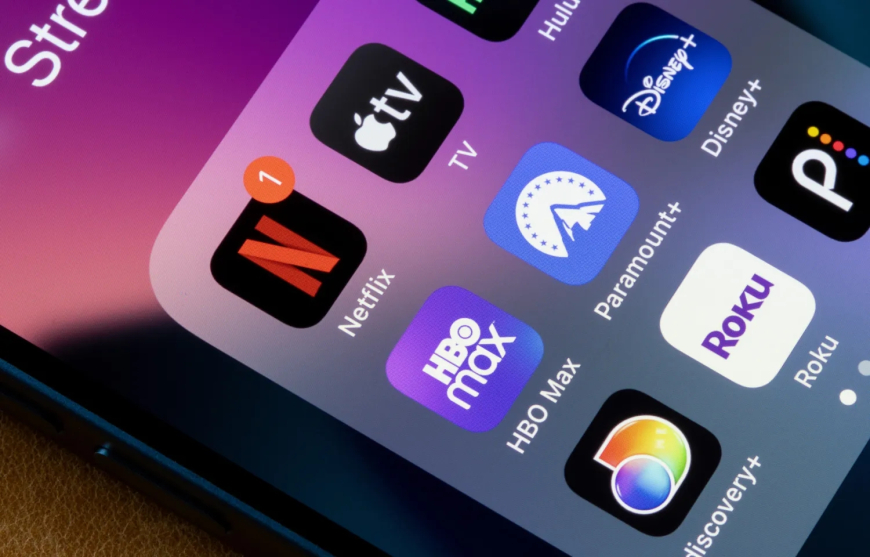
If it felt like 2025 had already pushed the limits of unpredictability, the streaming industry delivered one final shock before the year wrapped up. Netflix, already the world’s largest streaming service with more than 325 million subscribers, made a decisive move by acquiring Warner Bros. Discovery’s film and television studios, along with HBO, HBO Max, and other significant entertainment assets. The deal, announced in early December, unites some of the most recognisable franchises in modern entertainment — including Game of Thrones, Harry Potter, and DC Comics properties — under a single corporate umbrella.
The sheer scale of the transaction has taken Hollywood by surprise. Beyond its price tag, the acquisition is widely seen as a turning point that could reshape how films and television are produced, distributed, and monetised. Below is a closer look at how the Netflix–WBD deal came together, what’s at stake, and what may lie ahead.
What has happened so far?
The process began in October, when Warner Bros. Discovery disclosed that it was exploring a potential sale after receiving unsolicited interest from multiple industry players. For years, WBD has been weighed down by billions of dollars in debt, pressures intensified by declining cable television audiences and intensifying competition in streaming. Those challenges pushed the company to consider sweeping strategic options, including selling off its core entertainment businesses.
Once the possibility of a sale became public, interest surged. Several major media companies evaluated bids for the assets, with Paramount Global and Comcast emerging as serious contenders. Paramount, in particular, was initially viewed as the leading bidder.
In the end, however, Warner Bros. Discovery’s board concluded that Netflix’s proposal offered the strongest path forward, even though Paramount reportedly put forward a roughly $108 billion cash offer to acquire the entire company. Netflix’s bid focused specifically on WBD’s film, television, and streaming assets rather than the whole corporate structure. Netflix later amended its offer to an all-cash proposal valued at $27.75 per WBD share, bringing the total deal value to approximately $82.7 billion and easing investor concerns.
A fierce bidding war
Even after Netflix emerged as the preferred buyer, competition did not immediately subside. Paramount continued pursuing Warner Bros. Discovery for months, repeatedly pressing the board to reconsider. Each time, WBD rejected the proposals, citing Paramount’s own debt burden and the risks associated with combining the two companies. According to the board, Paramount’s offer would have left the merged entity carrying roughly $87 billion in debt — a level it deemed unacceptable.
Last week, Paramount escalated the dispute by filing a lawsuit seeking additional details about the Netflix transaction, maintaining that its offer represented a better deal overall.
Regulatory hurdles
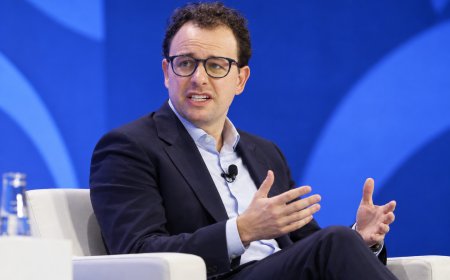
Given the unprecedented size and potential market impact of the acquisition, regulatory scrutiny remains intense. Earlier this week, reports indicated that Netflix co-CEO Ted Sarandos is scheduled to testify before a U.S. Senate committee, underscoring how closely lawmakers are examining the deal.
In November, Senators Elizabeth Warren, Bernie Sanders, and Richard Blumenthal sent a letter to the Justice Department’s Antitrust Division warning that the merger could significantly reduce competition and harm consumers. The lawmakers argued that a combined Netflix–Warner Bros. entity could gain excessive market power, potentially driving up prices and limiting choices.
If regulators ultimately block the acquisition, Netflix would be required to pay a $5.8 billion breakup fee. In that scenario, it remains unclear whether Warner Bros. Discovery would remain independent or revive earlier acquisition talks.
Concerns within the industry
Reaction across the entertainment industry has been largely critical. The Writers Guild of America has been among the most outspoken opponents, calling for the merger to be blocked on antitrust grounds. Industry insiders have also expressed concern that the consolidation couldmarginalisee independent creators and reduce the diversity of voices and stories reaching audiences.
There are additional worries about job losses and downward pressure on wages as operations are consolidated. For filmmakers and theatre owners, uncertainty surrounds release strategies. Sarandos has said that films already slated for theatrical release through Warner Bros. will proceed as planned. However, he has also suggested that, over time, release windows could shrink, with movies moving to streaming platforms more quickly.
What should subscribers know?
For Netflix and HBO Max subscribers, immediate changes are unlikely. Netflix executives have emphasised that HBO’s day-to-day operations will remain essentially unchanged in the near term, and no decisions have yet been announced regarding app integration or bundled subscriptions.
On pricing, Sarandos has said there will be no immediate changes during the regulatory review period. That said, Netflix has a history of raising subscription prices every year or two, meaning increases remain possible once the acquisition is finalised.
When is the deal expected to close?
The Netflix–Warner Bros. Discovery transaction is not yet complete. A shareholder vote at WBD is expected around April, with closing anticipated 12 to 18 months after approval. Regulatory reviews are still ongoing, and their outcome could significantly shape the final structure — or fate — of the deal.
For now, all eyes remain on regulators, investors, and Hollywood as the industry waits to see how this historic merger unfolds.
What's Your Reaction?
 Like
0
Like
0
 Dislike
0
Dislike
0
 Love
0
Love
0
 Funny
0
Funny
0
 Angry
0
Angry
0
 Sad
0
Sad
0
 Wow
0
Wow
0