


































SpaceX Delays First Test Flight of Upgraded Starship V3 to Mid-March
SpaceX has postponed the initial test launch of its upgraded Starship V3 rocket to mid-March 2026, CEO Elon Musk announced on X. The larger, more powerful version will support next-generation Starlink satellites and future lunar missions.
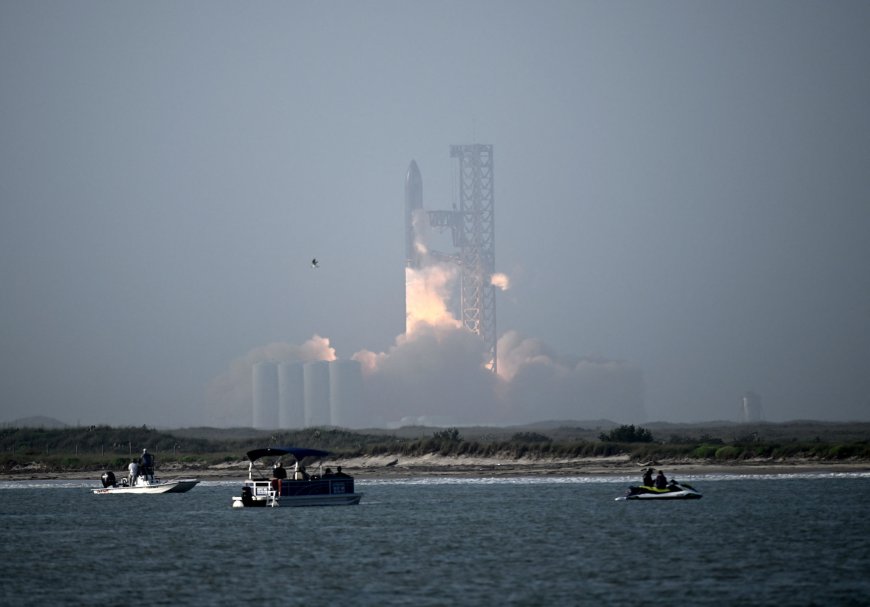
The first test flight of SpaceX’s upgraded Starship rocket has been delayed and is now expected to take place in mid-March, according to a post by CEO Elon Musk on his social media platform X.
The upcoming vehicle, known as Starship V3, represents the third major iteration of the rocket and is both larger and more powerful than earlier versions. SpaceX plans to use this version to deploy its next-generation Starlink satellites, which are designed to deliver faster internet speeds but are heavier and larger than the current satellites in orbit. Starship V3 is also the first variant intended to dock with other Starships while in Earth orbit, a key capability required for future missions to the Moon and Mars.
The delay comes as SpaceX accelerates toward a potential public offering later this year and faces mounting pressure from the Trump administration to return U.S. astronauts to the Moon before the end of the president’s second term. Starship, the most powerful rocket ever built, plays a central role in NASA’s plans to achieve that objective.
SpaceX had been making steady progress toward a late-2025 launch of Starship V3. However, in November, the Super Heavy booster suffered a major explosion during ground testing that tore through a section of the rocket’s steel structure. The company said the incident occurred during gas system pressure testing, but has not yet provided a detailed explanation of the failure.
The company has been eager to move past Starship’s second version, which delivered mixed results. Starship V2 successfully reached orbit, deployed dummy versions of the next-generation Starlink satellites, and demonstrated SpaceX’s ability to catch returning booster stages at the launch site.
At the same time, Starship V2 experienced several explosions and delays. Some of these incidents were consistent with SpaceX’s development strategy, which emphasises aggressive testing and rapid iteration by pushing hardware to — and sometimes beyond — its limits. Other failures were less expected, including an incident last June when a Starship vehicle mounted atop a booster exploded in an enormous fireball during ground testing.
Over the past decade, SpaceX has established itself as the dominant force in the global launch market, with Starship viewed as critical to maintaining that position. Still, competition is beginning to emerge. Jeff Bezos’ space company Blue Origin conducted the first launch of its heavy-lift rocket, New Glenn, in January 2025, followed by a second flight in November. During that mission, the company successfully delivered its first commercial payload for NASA and completed its first booster landing.
Blue Origin is planning a third New Glenn launch for late February and aims to send its own lunar lander to the Moon sometime thereafter. Although New Glenn is smaller than Starship, Blue Origin disclosed late last year that it is developing a larger version of the vehicle designed to compete with SpaceX’s super-heavy rocket more directly.
What's Your Reaction?
 Like
0
Like
0
 Dislike
0
Dislike
0
 Love
0
Love
0
 Funny
0
Funny
0
 Angry
0
Angry
0
 Sad
0
Sad
0
 Wow
0
Wow
0