




































Bandcamp takes a stand against AI music, banning it from the platform
Bandcamp has announced a ban on AI-generated music and audio, reinforcing its focus on human-created work and preventing the use of artificial intelligence to impersonate artists or replicate styles.
The music distribution platform Bandcamp announced in a Reddit post on Tuesday that it is banning AI-generated music and audio.
“We want musicians to keep making music, and for fans to have confidence that the music they find on Bandcamp was created by humans,” the company said.
Under Bandcamp’s updated guidelines, music and audio created “wholly or in substantial part by AI” are no longer allowed. The platform also said it will not permit the use of AI tools to impersonate other artists or replicate specific artistic styles.
As an example, if Drake had released “Taylor Made Freestyle” on Bandcamp, it would have violated the new rules.
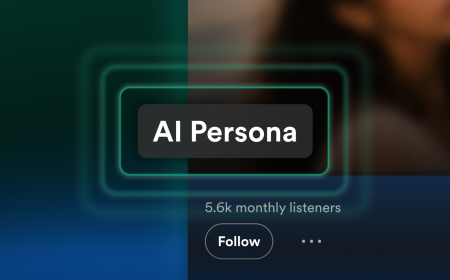
The decision comes as AI music generators, such as Suno, become increasingly sophisticated, making synthetic music harder to avoid. AI-generated songs have already topped charts on platforms like Spotify and Billboard. The quality of AI-generated music has reached a point where it can be difficult to tell whether a human or a machine created a track. In a high-profile case, Telisha Jones, a 31-year-old from Mississippi, used Suno to turn her poetry into the viral R&B track “How Was I Supposed To Know.” Her AI-created persona, Xania Monet, attracted multiple record deal offers before signing with Hallwood Media in a deal reportedly worth $3 million.
The legality of AI-generated music remains uncertain. Suno is currently facing lawsuits from major record labels Sony Music Entertainment and Universal Music Group, which allege that the startup trained its AI models using copyrighted material owned by the labels.
Despite these legal challenges, investor interest in AI music startups continues. Suno raised a $250 million Series C round in November, valuing the company at $2.4 billion. The round was led by Menlo Ventures and included participation from Hallwood Media, which backs Xania Monet.
Recent court rulings have further complicated the outlook for artists. In a separate case, a judge ruled that Anthropic could use copyrighted books illegally downloaded to train its AI models, though the court faulted the piracy itself. Anthropic was fined $1.5 billion — a relatively small penalty for a company reportedly valued at $183 billion.
Unlike streaming platforms such as Spotify or Apple Music, Bandcamp does not pay artists per stream. Instead, it enables musicians to sell digital music directly to fans, along with physical products like merchandise and CDs. Bandcamp earns revenue by taking a percentage of those sales.
While Bandcamp positions itself as an artist-first platform, it is still a technology company with financial considerations. Viewed optimistically, the move may reflect what many artists hope is true: that listeners are not willing to spend money on AI-generated music — at least not on Bandcamp.
What's Your Reaction?
 Like
0
Like
0
 Dislike
0
Dislike
0
 Love
0
Love
0
 Funny
0
Funny
0
 Angry
0
Angry
0
 Sad
0
Sad
0
 Wow
0
Wow
0