

































Tap Money Scam Explained: How to Avoid Contactless Payment Fraud While Traveling Abroad
Tap Money Scam explained. Learn how contactless payment fraud targets travellers abroad and discover simple steps to protect your cards and money.
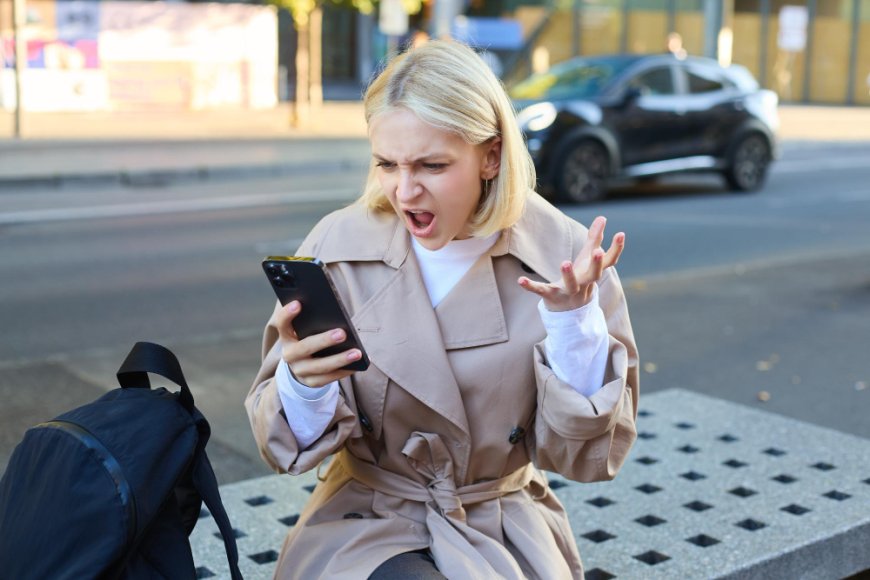
Contactless payments have changed the way people travel. Tapping a card or phone is fast, convenient, and widely accepted worldwide. But this convenience has also created a growing threat: the Tap Money Scam—a type of contactless payment fraud that primarily targets travellers.
Many victims don’t notice the scam right away. Small unauthorised charges can go unnoticed during a busy trip, only to be discovered days or weeks later. Understanding how this scam works is the first step toward protecting your money while travelling abroad.
What Is the Tap Money Scam?
The Tap Money Scam is a form of contactless card fraud where scammers use wireless payment devices to charge a debit or credit card without the cardholder’s permission.
Because contactless payments allow small transactions without a PIN, criminals exploit this feature by scanning cards at close range. The card is never stolen or physically handled, making the fraud difficult to detect immediately.
Travellers Are the Main Target. Travellers are especially vulnerable to contactless payment scams due to several factors:
- Heavy reliance on tap-to-pay methods
- Crowded tourist locations
- Distractions caused by travel schedules
- Foreign currencies masking small charges
- Less frequent monitoring of bank accounts
Airports, train stations, public transport, tourist attractions, and nightlife areas are common locations for these scams.
How the Tap Money Scam Works (Step-by-Step)
Step 1: Scammers Carry Hidden Payment Readers
Fraudsters use small, portable card readers concealed in bags or clothing.
Step 2: Close Physical Proximity
They stand close to victims in crowds, queues, or public transport.
Step Unauthorised Transactions
The reader processes a small payment when it is near a wallet or phone.
Step 4: Repeated Charges
Scammers may repeat the process or target multiple people in the same area.
Familiar Places Where Tap Money Scams Occur
- Airports and border checkpoints
- Public buses, trains, and subways
- Tourist attractions and landmarks
- Street markets and festivals
- Bars, clubs, and crowded nightlife venues
Any location with limited personal space increases the risk.
Warning Signs You Should Not Ignore
- Small transactions you don’t recognise
- Multiple foreign currency charges
- Faster-than-expected balance drops
- Payment alerts for purchases you didn’t make
Early detection can prevent further losses.
How to Avoid the Tap Money Scam While Travelling Abroad
1. Use RFID-Blocking Wallets
RFID-blocking wallets and card sleeves prevent unauthorised scanning.
2. Enable Instant Payment Alerts
Turn on real-time notifications for every card transaction.
3. Set Daily Spending Limits
Ask your bank to apply limits or temporary restrictions on contactless payments.
4. Carry Only What You Need
Leave extra cards locked in your hotel safe.
5. Secure Mobile Wallet Settings
- Turn off NFC when not in use
- Use strong phone locks
- Avoid tapping in unfamiliar or suspicious places
6. Check Bank Statements Daily
Review transactions at least once a day while travelling.
What to Do If You’re a Victim of the Tap Money Scam
If you suspect unauthorised contactless charges:
- Block your card immediately
- Report the fraud to your bank
- Request a replacement card
- Change PINs and passwords
- Monitor your account for further activity
Acting quickly improves the chance of recovering lost funds.
Why Awareness Is the Best Protection
The Tap Money Scam succeeds because many people don’t know it exists. Awareness helps travellers recognise risks early and take preventive action before significant damage occurs.
Understanding modern payment threats is now essential for safe travel.
Frequently Asked Questions (FAQs)
1. What is the Tap Money Scam?
It is a contactless payment fraud where scammers charge your card without your permission using wireless readers.
2. Can money be stolen without touching my card?
Yes. Contactless cards can be charged from close range.
3. Is tap-to-pay safe while travelling?
It is generally safe, but extra caution is needed in crowded tourist areas.
4. How much money do scammers usually steal?
They often start with small amounts to avoid detection.
5. Are mobile wallets safer than cards?
They are usually safer but still require proper security settings.
6. Where does this scam happen most often?
Crowded places like airports, public transport, and tourist spots.
7. How do I know if I’ve been scammed?
Look for unfamiliar small transactions or foreign charges.
8. Will banks refund contactless fraud?
Many banks do, but it depends on reporting time and policy.
9. Should I turn off contactless payments while travelling?
If possible, limiting or turning off contactless payments can reduce risk.
10. What is the best way to stay protected?
Use RFID protection, enable alerts, monitor accounts, and stay aware.
Final Thoughts
Contactless payments are convenient, but convenience should never replace caution—especially when travelling abroad.
By staying informed and taking simple preventive steps, travellers can enjoy the benefits of modern payments without falling victim to fraud.
Awareness is your most vigorous defence.
What's Your Reaction?
 Like
0
Like
0
 Dislike
0
Dislike
0
 Love
0
Love
0
 Funny
0
Funny
0
 Angry
0
Angry
0
 Sad
0
Sad
0
 Wow
0
Wow
0