






























A New AR Contender Is Here: Why Augmented Reality Is Finally Getting Serious
A new AR contender shows why augmented reality is finally becoming useful in everyday life.
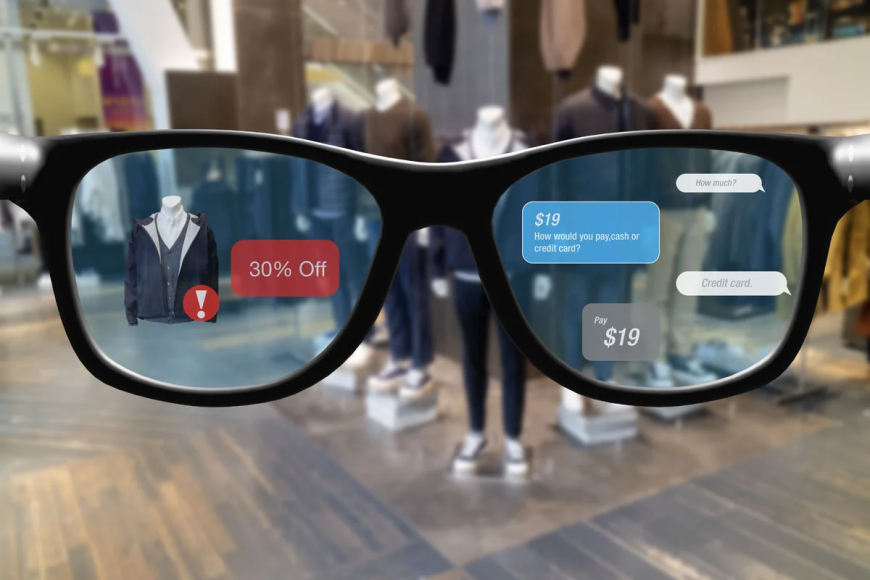
For years, augmented reality has lived in an awkward space. Too futuristic for everyday use, too limited to replace phones, and often too expensive or uncomfortable to matter. We've seen demos, prototypes, and promises—but very little that felt ready.
That's starting to change.
A new AR contender is entering the conversation, and for the first time in a long while, it feels like AR isn't just a concept anymore—it's edging closer to something people might actually want to use.
This isn't hype. It's a shift.
AR Has Always Had a Problem (And Everyone Knew It)
Let's be honest about why AR struggled.
Past AR devices were:
- Bulky and awkward
- Visually impressive but practically limited
- Tied too closely to phones or PCs
- Hard to justify for everyday life
Most people didn't ask, "How do I use this?"
They asked, "Why do I need this?"
That question killed AR's momentum for years.
What's Different About This New AR Wave?
The most significant change isn't one feature—it's focus.
Instead of trying to replace smartphones or laptops, newer AR devices aim to support everyday tasks rather than dominate them.
The shift looks like this:
- Lighter, glasses-style hardware
- Short, beneficial interactions instead of long sessions
- Context-aware information, not whole virtual worlds
- Battery life measured in hours, not minutes
This is AR learning its place.
AR Is Finally Targeting Real-Life Use Cases
The reason this new AR contender matters is that it's focused on practical use, not demos.
Think about things like:
- Directions that appear naturally in your view
- Notifications without pulling out your phone
- Subtle overlays for work, travel, or fitness
- Hands-free information when you actually need it
Not flashy. Just useful.
That's how new tech actually sticks.
Comfort and Design Matter More Than Specs
Here's something tech marketing doesn't like admitting:
If it's uncomfortable, people won't wear it—no matter how powerful it is.
New AR hardware is finally prioritising:
- Lightweight frames
- Balanced weight distribution
- Designs that don't scream "tech demo"
- Something you can wear in public without feeling awkward
That alone removes one of AR's most significant barriers.
Software Is Quietly Catching Up
AR hardware arrived before the software was ready. That's changing too.
Developers now have:
- Better AR frameworks
- More powerful mobile chips
- Improved computer vision
- AI-driven object recognition
Instead of clunky overlays, AR experiences are becoming:
- Cleaner
- Faster
- More context-aware
And that makes a huge difference.
Why This Isn't Just Another AR Hype Cycle
We've been here before—but this time, the timing is different.
Right now, we have:
- More minor, more efficient chips
- Better displays
- Smarter AI assistance
- Users are already comfortable with wearables
AR doesn't feel alien anymore. It feels like a natural next step.
That's why this new contender matters—it's arriving when the ecosystem is finally ready.
Who This New AR Tech Is Really For
This isn't aimed at everyone on day one.
It makes the most sense for:
- Professionals who need quick information
- Creators and developers
- Early adopters who value convenience
- People are already using smartwatches or earbuds daily
Mass adoption comes later.
First, it must be genuinely helpful to someone.
The Bigger Picture: AR vs VR vs Phones
AR doesn't need to replace anything to win.
Phones are still king.
VR is still for immersion.
AR sits in between—quietly adding value where it makes sense.
If done right, AR becomes:
- Something you don't think about
- Something that doesn't demand attention
- Something that helps
That's the real breakthrough.
Final Thoughts: This Time Feels Different
A new AR contender isn't exciting just because it exists. It's exciting because it understands what AR should be.
Not louder.
Not bigger.
Not more impressive in demos.
Just more helpful in real life.
If this direction continues, AR might finally stop asking for attention—and start earning it.
What's Your Reaction?
 Like
0
Like
0
 Dislike
0
Dislike
0
 Love
0
Love
0
 Funny
0
Funny
0
 Angry
0
Angry
0
 Sad
0
Sad
0
 Wow
0
Wow
0