






























‘College Dropout’ Has Become the Most Coveted Startup Founder Credential
College dropout status is becoming a prized credential among startup founders as the AI boom fuels urgency, VC interest, and fear of missing out.

For decades, legendary founders like Steve Jobs, Bill Gates, and Mark Zuckerberg have fueled the myth that dropping out of college is a fast track to startup success. Yet research consistently shows that most successful startup founders actually hold bachelor’s or graduate degrees.
Despite the data, the allure of the college dropout founder is once again surging — and this time, it’s being driven by the explosive rise of artificial intelligence startups.
Dropout Status Makes a Comeback in the AI Era
The renewed fascination with dropout founders is evident at Y Combinator Demo Days, where an increasing number of founders openly emphasise leaving college, graduate school, or even high school during their one-minute pitches.
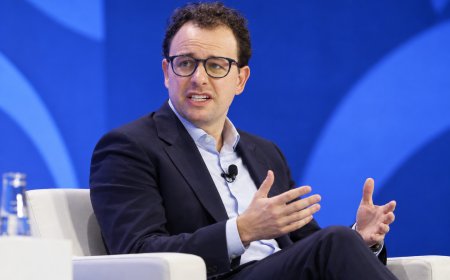
“I don’t believe YC formally tracks dropout status,” said Katie Jacobs Stanton, founder and general partner at Moxxie Ventures, “but anecdotally, I’ve noticed more founders proudly highlighting that they dropped out. It’s become a kind of credential — a signal of conviction and focus.”
In today’s venture ecosystem, being un-degreed is often interpreted as proof that a founder is willing to take risks and fully commit to building a company.
Most AI Leaders are Still Finished with School
Interestingly, many of the most prominent founders shaping the current AI wave did complete their degrees.
-
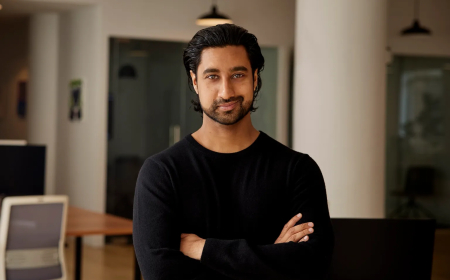
Michael Truell, CEO of Cursor, graduated from MIT
-
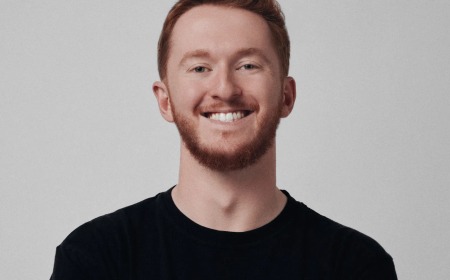
Scott Wu, co-founder of Cognition, earned his degree from Harvard
Still, their success hasn’t slowed the dropout narrative. Instead, it has intensified fears among aspiring founders that staying in school could mean missing the AI gold rush.
Fear of Missing Out Is Driving Extreme Decisions
According to Kulveer Taggar, founder of YC-focused venture firm Phosphor Capital, urgency is a significant factor.
“There’s a real sense of FOMO right now,” Taggar told TechCrunch. “Founders are asking themselves: do I finish my degree, or do I start building now?”
Some founders have already made that leap. Brendan Foody, co-founder of Mercor, famously dropped out of Georgetown University to focus on his startup.
In more extreme cases, professors at elite universities report students walking away just months before graduation, convinced that a diploma might actually hurt their chances of raising venture capital.
Do VCs Really Care About Degrees?
Despite the growing hype, many investors say the dropout label matters far less than founders think.
Yuri Sagalov, who leads seed strategy at General Catalyst, argues that venture capitalists aren’t focused on whether someone officially graduates — especially if they’ve already completed most of their education.
“I’ve never felt differently about someone who dropped out in their fourth year,” Sagalov said.
He also points out that universities provide value beyond a diploma, including robust social networks and institutional credibility.
“Most people will look you up on LinkedIn and not care whether you finished,” he added. “Participation alone carries weight.”
Not All Investors Are Sold on Young Dropouts
While many VCs now believe founders can succeed without formal education, others remain cautious.
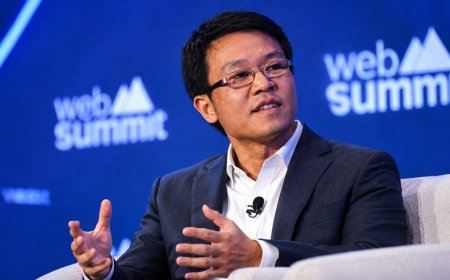
Wesley Chan, co-founder of FPV Ventures, is less enthusiastic about betting on dropouts — not because of education, but because of experience.
Chan prioritises wisdom, which he believes typically comes from older founders or those who’ve faced setbacks.
“Wisdom usually comes from people who have a few scars,” he says — something younger founders often haven’t had time to develop.
A Credential That Comes and Goes
The appeal of the dropout founder isn’t new — and it isn’t permanent. It rises and falls with technology cycles, investor sentiment, and cultural narratives.
Right now, amid the AI boom, dropping out is fashionable again. Whether that trend will hold—or, once again, fade in favour of experience, education, and execution—remains to be seen.
What’s clear is that in today’s startup world, degrees matter less than conviction, speed, and the ability to build something people want.
What's Your Reaction?
 Like
0
Like
0
 Dislike
0
Dislike
0
 Love
0
Love
0
 Funny
0
Funny
0
 Angry
0
Angry
0
 Sad
0
Sad
0
 Wow
0
Wow
0