






























How would the Netflix–Warner Bros. deal reshape Hollywood?
Netflix’s $82.7B deal to acquire Warner Bros. shakes Hollywood, triggering union backlash, antitrust concerns, and significant questions about the future of streaming and theatres.
It's only been a day since Netflix revealed its massive $82.7 billion agreement to acquire Warner Bros., and the announcement has already triggered shockwaves across the entertainment world. Industry insiders are describing Hollywood as being thrown into "full-blown panic mode," with some warning that the deal could mark "a death blow to theatrical filmmaking," or even signal "the end of Hollywood" as we know it.
Among the strongest objections is the Writers Guild of America, which released a statement insisting that "this merger must be blocked."
According to the WGA, "The world's biggest streaming service taking over one of its primary rivals is precisely what antitrust rules are designed to stop. The result would destroy jobs, lower wages, worsen working conditions for entertainment workers, increase consumer costs, and shrink the quantity and diversity of content available to audiences."
Other Hollywood unions were less blunt but echoed similar concerns, noting — as SAG-AFTRA stated — that the agreement raises "many serious questions" about its impact on the future of the entertainment business.
This follows a competitive bidding process involving Paramount and Comcast. Paramount attempted to buy the entire company, while Netflix is set to acquire the film and television studios along with the streaming division, following Warner Bros.' plan to spin off its TV networks.
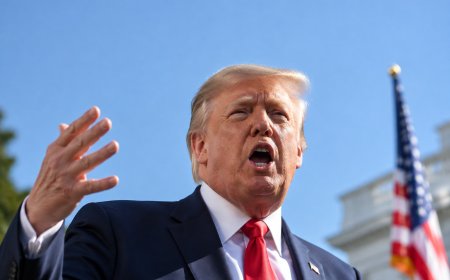
Early reports suggested Paramount was favoured, partly due to its close connections with the Trump administration; control of the studio recently shifted to David Ellison, son of Oracle co-founder and Trump ally Larry Ellison. But just before the Netflix deal became official, Paramount's legal team sent a sharply worded letter alleging the process had been "tilted and unfair." Soon after, Netflix was publicly named the winner.
The acquisition is expected to close in Q3 2026 and will undoubtedly undergo intense regulatory scrutiny. Oversight won't come just from Trump-appointed officials — Senator Elizabeth Warren, a well-known critic of Big Tech, released her own statement calling the deal "an anti-monopoly nightmare."
Warren warned that a Netflix–Warner Bros. combination could create "one enormous media conglomerate controlling nearly half of the streaming market — likely pushing Americans into higher subscription prices and fewer viewing options, while putting entertainment jobs at risk."
She also stressed that the review process must be "fair and transparent" rather than allowing "influence-peddling and bribery."
If regulators block the deal, Netflix must pay a $5.8 billion breakup fee. What Warner Bros. would do in that scenario — remain independent or revisit previous offers — remains unclear.
Netflix executives addressed many of the industry's concerns during an analyst call on Friday morning. Co-CEO Ted Sarandos expressed "high confidence in the regulatory process."
He argued, "This deal is pro-consumer, pro-innovation, pro-worker, pro-creator, and pro-growth. We plan to collaborate closely with all relevant regulators and are confident we'll secure the approvals needed."
Sarandos added that Netflix plans to keep HBO "largely operating as it is." He emphasised that Warner Bros. would continue producing shows for external networks and platforms: "We want that successful business to thrive."
Co-CEO Greg Peters declined to share details about how HBO and HBO Max might integrate into the Netflix app. "It's too early," he said, but affirmed the importance of HBO's brand.
The most pressing industry question revolves around theatrical releases. Warner Bros. just recorded one of its strongest box office years ever. At the same time, Netflix films typically run in theatres for short windows and bypass major chains due to limited exclusivity — a key reason the Duffer Brothers reportedly chose Paramount over Netflix.
Sarandos insisted there would be no significant shift: "I wouldn't view this as altering the approach to Netflix films or to Warner films." He said Netflix released 30 theatrical films this year, though usually with limited windows.
He reiterated that Warner Bros.' planned theatrical releases will continue as intended. Over time, however, he expects windowing strategies to evolve so films reach streaming sooner.
"My main issue has always been the long exclusive theatrical windows," Sarandos said. "We don't think that's very consumer friendly."
What's Your Reaction?
 Like
0
Like
0
 Dislike
0
Dislike
0
 Love
0
Love
0
 Funny
0
Funny
0
 Angry
0
Angry
0
 Sad
0
Sad
0
 Wow
0
Wow
0