




































OpenAI Goes All-In on Audio as Silicon Valley Moves Beyond Screens
OpenAI is reorganising its teams and rebuilding its audio AI models as it prepares for an audio-first future, signalling Silicon Valley’s growing move away from screen-based devices.

OpenAI is making a significant push into audio-based artificial intelligence, and its strategy extends beyond improving how ChatGPT sounds. According to recent reporting by The Information, the company has quietly reorganised several of its engineering, product, and research teams over the past two months to rebuild its audio models from the ground up. The effort is reportedly tied to the development of an audio-first personal device that OpenAI expects to introduce in roughly a year.
The shift highlights a broader change underway across Silicon Valley. Screens, once the centre of digital life, are increasingly being treated as secondary. Audio is emerging as the primary interface, allowing technology to blend more seamlessly into everyday environments.
Voice assistants are already common in American households, with smart speakers now present in more than one-third of U.S. homes. Meta recently expanded the capabilities of its Ray-Ban smart glasses, adding a feature that uses five microphones to isolate voices in noisy settings — effectively turning the wearer's face into a directional listening system. Google, meanwhile, began testing "Audio Overviews" earlier this summer, a feature that converts search results into spoken, conversational summaries. Tesla is also moving in this direction, integrating Grok and other large language models into its vehicles to enable natural voice-based interactions for tasks like navigation, media control, and climate settings.
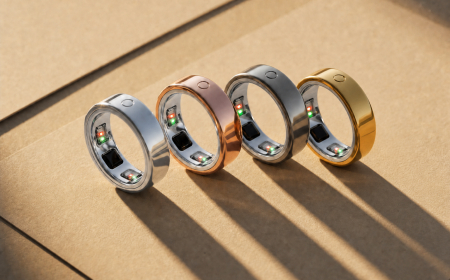
The momentum isn't limited to big tech. A growing group of startups is pursuing similar ideas, with mixed results. Humane's screenless AI Pin, once heavily hyped, burned through hundreds of millions of dollars before becoming a cautionary example of how difficult this transition can be. The Friend AI pendant — a wearable necklace that records daily life and offers companionship — has raised serious privacy and ethical concerns. Looking ahead, at least two companies, including Sandbar and another led by Pebble founder Eric Migicovsky, are developing AI-powered rings that are expected to launch in 2026, allowing users to interact with AI simply by speaking into their hand.
While the hardware designs vary widely, the underlying belief is consistent: audio is becoming the dominant interface. Homes, cars, and even wearable devices are turning into always-on listening environments, reshaping how people interact with technology.
OpenAI's next-generation audio model, reportedly scheduled for early 2026, is expected to sound more natural, handle interruptions smoothly, and even speak simultaneously with users—a capability that current AI systems still struggle to handle. The company is also exploring a full lineup of devices, potentially including glasses and screen-free smart speakers, designed to behave less like traditional gadgets and more like conversational companions.
As noted in The Information, former Apple design chief Jony Ive — who joined OpenAI's hardware ambitions following the company's $6.5 billion acquisition of his firm io in May — views audio-first design as an opportunity to reduce device addiction. I've reportedly framed the shift as an opportunity to address some unintended consequences of earlier generations of consumer technology.
What's Your Reaction?
 Like
0
Like
0
 Dislike
0
Dislike
0
 Love
0
Love
0
 Funny
0
Funny
0
 Angry
0
Angry
0
 Sad
0
Sad
0
 Wow
0
Wow
0