




































NVIDIA CES Keynote: AI, Data Centers, and the Future of NVIDIA Explained
NVIDIA’s CES keynote shows a clear shift toward AI, data centres, and enterprise platforms, with gaming hardware taking a back seat to long-term strategy.
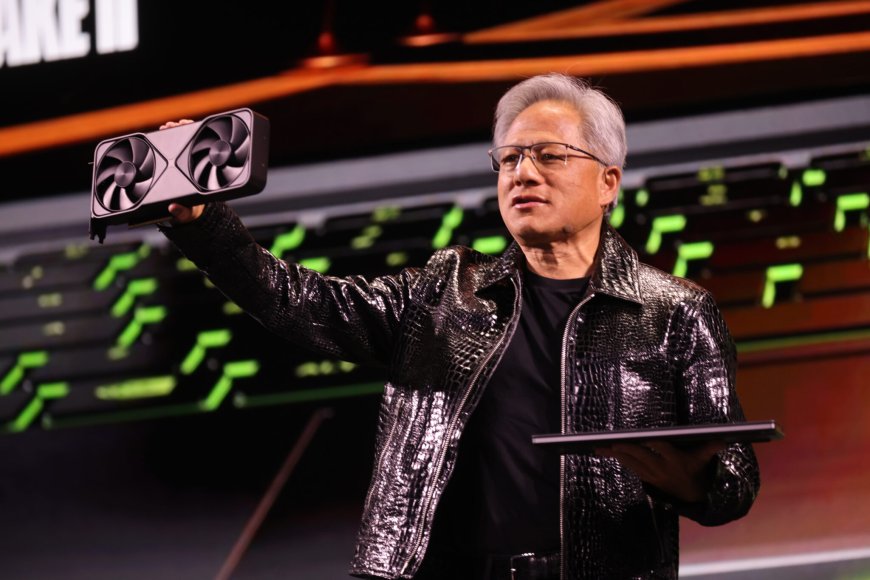
The NVIDIA CES keynote made one thing crystal clear: NVIDIA is no longer a traditional consumer GPU company. What was once a brand synonymous with gaming graphics cards has evolved into the most important AI and infrastructure company in the technology industry.
From the opening minutes of the keynote to its conclusion, NVIDIA focused heavily on data centres, AI platforms, networking, and long-term architectural direction — while consumer and gaming news took a clear back seat. This article walks through the keynote step by step, explaining what NVIDIA announced, why it matters, and what it signals for the future of gaming, AI, and computing.
Opening the Keynote: NVIDIA's Vision Takes Centre Stage
The keynote began with NVIDIA reinforcing its role as the backbone of the modern AI economy. Rather than opening with flashy consumer hardware, the message was unmistakable: NVIDIA builds the infrastructure that powers AI, cloud computing, and enterprise workloads worldwide.
This framing set expectations early — this was not going to be a gamer-first presentation, and that was entirely intentional.
Palantir Returns: Enterprise AI Front and Centre
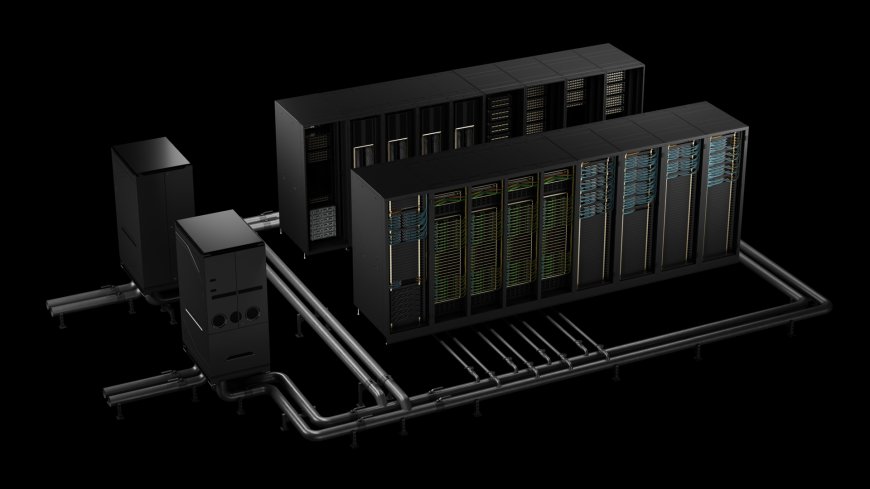
One of the early highlights of the NVIDIA CES keynote was Palantir's return. The partnership reinforced NVIDIA's dominance in enterprise AI, defence, and large-scale analytics.
Palantir's presence wasn't about hype — it was about validation. NVIDIA GPUs and AI platforms are deeply embedded in real-world decision-making systems used by governments, corporations, and critical infrastructure providers. This segment underscored NVIDIA's shift from selling products to defining entire computing ecosystems.
Zero Consumer News — and That Was the Point
A striking aspect of the NVIDIA CES keynote was the near-total absence of consumer-focused announcements, including no new GeForce graphics cards. No dramatic gaming reveals.—nomass-market laptop GPUs.
This wasn't an oversight. It was a statement.
NVIDIA's priorities are now clearly aligned with:
- AI training and inference
- Cloud-scale computing
- Enterprise networking
- Long-term architectural leadership
For consumer audiences, this may feel a bit unpleasant, but from a business perspective, it highlights where NVIDIA sees future value.
Gaming GPUs… Or Not?
When gaming GPUs were briefly mentioned, it was clear they were no longer the centrepiece of NVIDIA's strategy. Instead of announcing new hardware, NVIDIA focused on software-driven performance improvements and platform enhancements.
Gaming remains essential — but it is no longer the engine driving NVIDIA's growth. Instead, gaming is one pillar of a much larger AI-first ecosystem.
Vera Rubin: NVIDIA's Next Architectural Leap
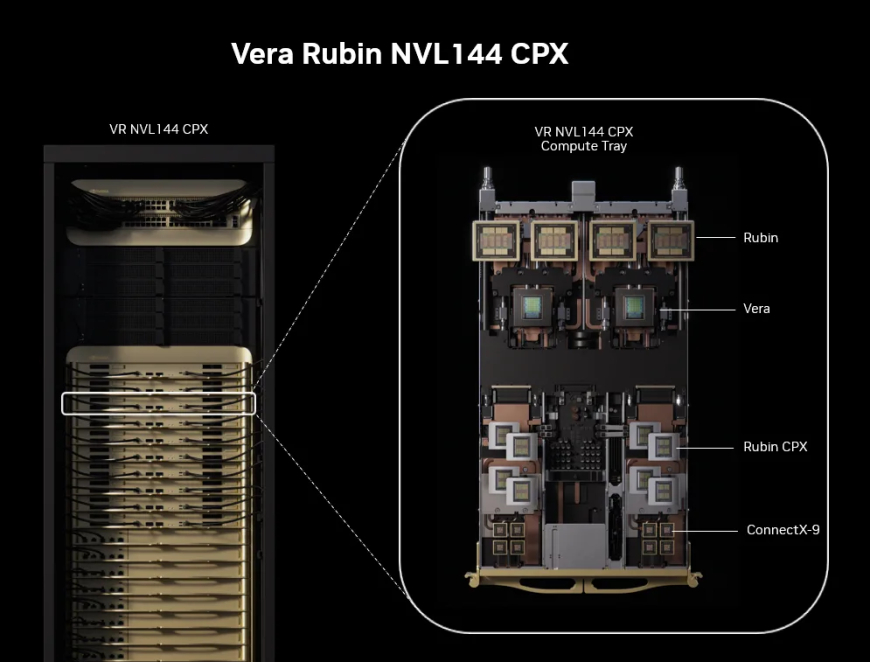
One of the most technically significant moments of the NVIDIA CES keynote was the discussion of Vera Rubin, NVIDIA's upcoming GPU architecture.
Rather than emphasizing raw specs, NVIDIA positioned Vera Rubin as:
- A platform designed for massive parallel AI workloads
- Optimised for both training and inference
- Built to scale across data centres, not desktops
This architecture signals NVIDIA's long-term commitment to AI acceleration as the core purpose of its GPUs — far beyond gaming.
CPU, ConnectX-9, and Memory: The Full Stack Approach
NVIDIA made it clear that it no longer thinks in terms of individual components. Instead, it builds complete computing stacks.
Key highlights included:
- NVIDIA CPUs are designed to integrate with GPUs tightly
- The ConnectX-9 networking platform for ultra-low-latency AI workloads
- Memory architectures optimized for AI-scale data movement
By controlling CPUs, GPUs, networking, and software, NVIDIA reduces bottlenecks and increases performance in ways competitors struggle to match.
Gaming News Finally Arrives — Through Software
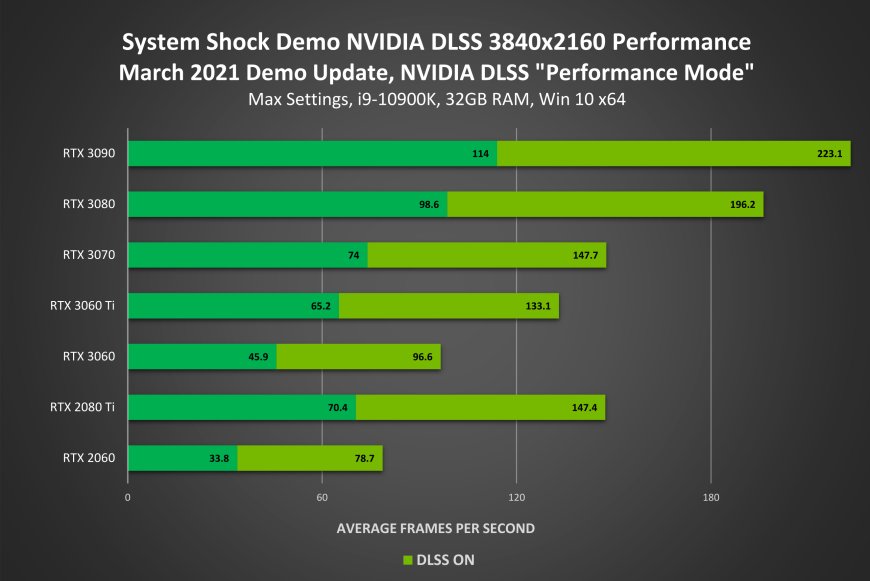
While hardware announcements were absent, NVIDIA did deliver meaningful gaming software updates:
DLSS 4.5 and Adaptive Multi-Frame Generation
These technologies aim to extract more performance from existing GPUs rather than requiring users to upgrade hardware. Adaptive MFG improves frame pacing and responsiveness, particularly in demanding titles.
RTX Remix Expansion
RTX Remix continues to transform classic games with ray tracing and modern lighting, reinforcing NVIDIA's leadership in visual fidelity.
GeForce Now Growth
Cloud gaming remains a strategic pillar, allowing NVIDIA to monetize GPUs without selling physical hardware to every user.
Together, these updates show NVIDIA's belief that software is now the primary driver of gaming innovation.
What the NVIDIA CES Keynote Really Means
The NVIDIA CES keynote wasn't about excitement — it was about positioning.
NVIDIA is:
- Betting on AI as the dominant computing workload
- Treating consumer GPUs as a mature, secondary market
- Building infrastructure that competitors depend on
- Shaping the future of how data centres, AI models, and cloud services operate
For gamers, this shift may feel unsettling. For investors and enterprises, it's a sign of unprecedented confidence.
Final Thoughts: NVIDIA Is Playing a Different Game Now
The biggest takeaway from NVIDIA's CES is simple: NVIDIA is no longer chasing product cycles — it's shaping industries.
While consumer news was minimal, the keynote revealed a company focused on long-term dominance rather than short-term applause. NVIDIA isn't ignoring gamers — it's just prioritizing AI infrastructure, where the stakes, scale, and impact are far greater.
For better or worse, NVIDIA has moved on from being just a GPU company. CES made that undeniable.
What's Your Reaction?
 Like
0
Like
0
 Dislike
0
Dislike
0
 Love
0
Love
0
 Funny
0
Funny
0
 Angry
0
Angry
0
 Sad
0
Sad
0
 Wow
0
Wow
0