























Blue Origin achieves first-ever reuse of New Glenn rocket
Blue Origin successfully reuses its New Glenn rocket for the first time, marking a major milestone in reusable launch technology and in reducing space costs.
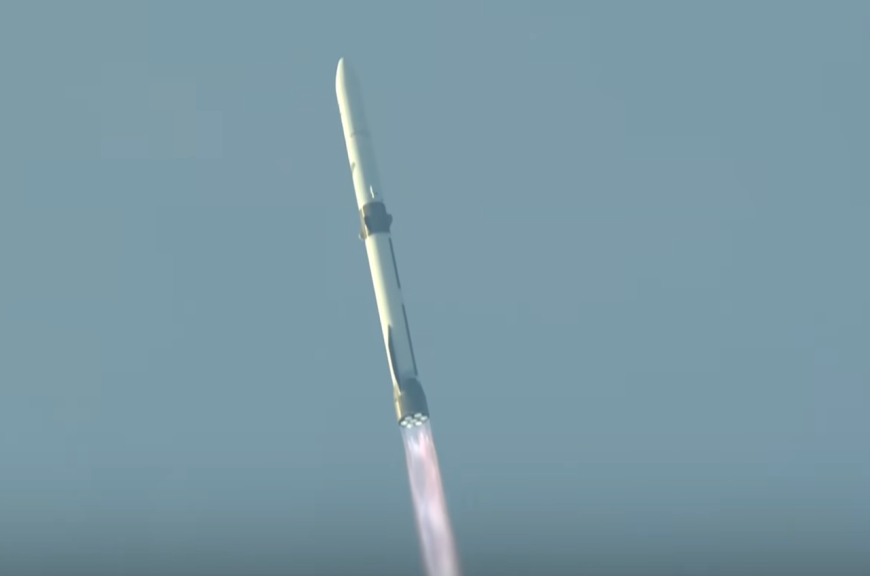
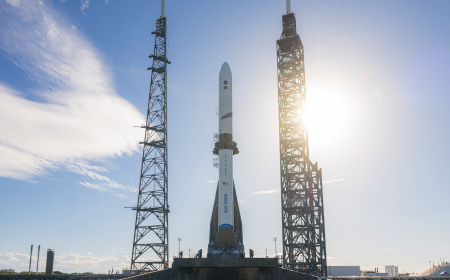
Blue Origin has successfully reused a New Glenn rocket for the first time, marking a significant milestone for the heavy-lift launch system as the company aims to strengthen its position against competitors such as SpaceX.
The achievement took place during Sunday's mission, representing the third overall flight of New Glenn and coming a little over a year after its inaugural launch. The rocket program has been in development for more than a decade.
However, despite the milestone, questions remain about the mission's overall success. Roughly two hours after launch, Blue Origin confirmed that the communications satellite carried for AST SpaceMobile had been delivered into an "off-nominal orbit," suggesting the spacecraft did not reach its intended trajectory.
"We have confirmed payload separation. AST SpaceMobile has confirmed the satellite has powered on," the company posted on X. "We are currently assessing and will update when we have more detailed information."
AST SpaceMobile later stated that the satellite was deployed into a lower-than-planned orbit, meaning it will now need to be deorbited.
According to Blue Origin's pre-launch timeline, the rocket's upper stage was expected to perform a second engine burn approximately one hour after liftoff from Cape Canaveral, Florida. It remains unclear whether this manoeuvre occurred or whether issues during that phase contributed to the satellite's incorrect orbit.
A successful reuse of the New Glenn booster is considered critical for the program's long-term economic viability. Reusability has been a key factor behind SpaceX's dominance in the global launch market, particularly through its reusable Falcon 9 system.
Sunday's mission marked the second commercial payload launch for New Glenn. Blue Origin is also planning to use the rocket for future NASA lunar missions and to support satellite network deployments, including projects tied to Amazon's space infrastructure ambitions. The company is currently preparing its first robotic lunar lander for a potential launch later this year.
The booster reused on Sunday's flight had previously flown on New Glenn's second mission in November, when it helped deploy two NASA Mars-bound spacecraft before landing on an ocean drone ship. In the latest mission, Blue Origin again successfully recovered the booster approximately 10 minutes after liftoff.
Any complications with deploying AST SpaceMobile's satellite could affect Blue Origin's near-term New Glenn launch schedule, particularly as the company has committed to multiple upcoming launches to support the rollout of a space-based cellular broadband network in partnership with AST SpaceMobile.
What's Your Reaction?
 Like
0
Like
0
 Dislike
0
Dislike
0
 Love
0
Love
0
 Funny
0
Funny
0
 Angry
0
Angry
0
 Sad
0
Sad
0
 Wow
0
Wow
0