






























GRAI says AI will enhance social music experiences, not replace artists
GRAI believes AI can make music more social and collaborative, helping artists connect with audiences rather than replacing human creativity.

AI music startups such as Suno and Udio are building tools that generate music using artificial intelligence. But a new entrant, GRAI, believes most users are not actually looking to create songs from scratch. Instead, they prefer interacting with existing music — remixing tracks, sharing them with friends, or experimenting with style changes for entertainment.
The company argues that while AI-generated music is gaining attention, the more meaningful opportunity lies in reshaping how people experience and interact with music, rather than replacing human artists altogether.
GRAI, which has now raised a $9 million seed round, is positioning itself around giving artists greater control while using AI to redefine consumer engagement with music.
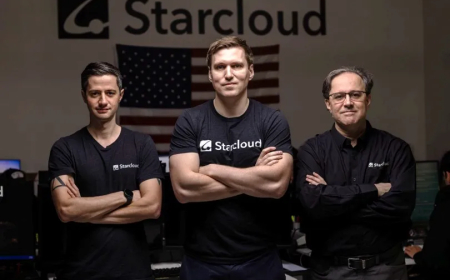
Founded by Belarusian entrepreneurs who previously sold their video creation app Vochi to Pinterest, GRAI is currently testing early AI-driven music products. These include a remix-focused iOS app called Music with Friends and an experimental music playground for Android. The company plans to use feedback from these apps to refine how users interact with music beyond traditional listening and AI-generated music.
“The idea that we’re building the company around is what the next thing can be in music AI interaction and consumption,” said GRAI co-founder and CEO Ilya Liasun, who is currently based in Poland with much of the team. He added that music remains one of the few major consumer categories that has not fully become “creator-first.”
“We have problems — discovery is broken, listening is passive, and social context is almost non-existent,” Liasun said.
At the same time, GRAI does not believe AI will eliminate artists or music labels, a concern often raised in the industry. Instead, the company sees AI as a tool to unlock new forms of participation and engagement with music.
The startup is targeting Gen Z and Gen Alpha users, who often discover music through social platforms, friends, fandom communities, and short-form content such as TikTok. According to GRAI, these users are less interested in becoming creators and more interested in participating in shared cultural experiences.
To support its vision, GRAI has built its own “taste and participation graph” along with an underlying infrastructure designed for real-time audio processing. It is also developing a “derivatives pipeline” that allows tracks to be transformed while preserving the core identity of the original recordings.
Liasun says the company’s goal is to collaborate with artists and record labels to ensure these interactions remain legally compliant and beneficial to rights holders. The company is not focused on generating AI music for streaming platforms.
“We don’t want to share new GenAI slop with the streaming services. We actually focus on the interaction part,” he said.
In practice, users could remix songs or alter styles within GRAI’s apps, potentially generating new royalty streams for artists and labels.
Rather than launching first and seeking approval later, GRAI says it is working directly with rights holders from the outset.
“The main idea here is that we want to build a future system in which artists will have the ability to opt in and opt out,” Liasun said, adding that a core principle is: “First, ask owners, and then integrate it.” He declined to confirm whether formal agreements are already in place.
If music remixing becomes widely adopted, GRAI believes it could also improve music discovery, helping users find new artists beyond dominant platforms like TikTok, YouTube, and Instagram Reels.
The company’s initial apps are designed to gather user feedback, including critical feedback, to inform future development. CTO Dima Kamarouski and president Andrei Avsiev co-founded GRAI. The $9 million seed round was co-led by Khosla Ventures and Inovo VC, with participation from Tensor Ventures, Tiny.VC, Flyer One Ventures, a16z Scout Fund, and several angel investors, including figures from Cursor, Snap, Reface, and other tech companies.
What's Your Reaction?
 Like
0
Like
0
 Dislike
0
Dislike
0
 Love
0
Love
0
 Funny
0
Funny
0
 Angry
0
Angry
0
 Sad
0
Sad
0
 Wow
0
Wow
0