






























FAA launches probe into Blue Origin New Glenn incident
The FAA has ordered an investigation into Blue Origin’s New Glenn mishap, raising questions about launch safety, regulatory oversight, and future missions.
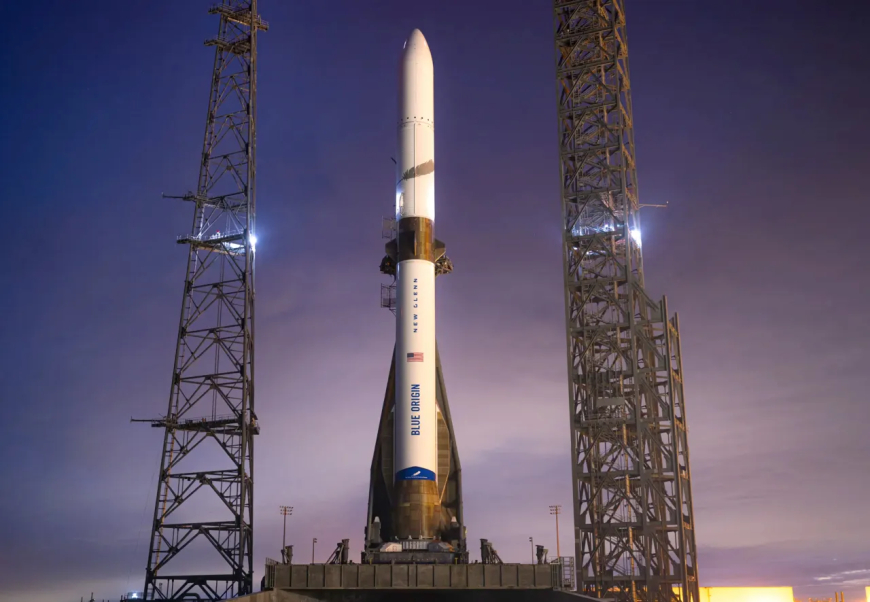
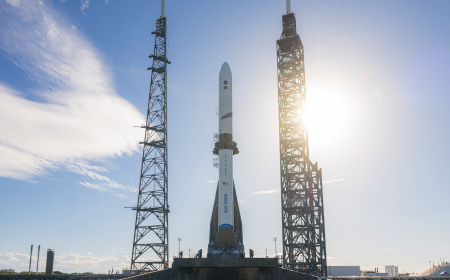
The U.S. Federal Aviation Administration (FAA) has directed Blue Origin to carry out a formal investigation into the apparent failure of the upper stage of its New Glenn rocket during a launch on Sunday, according to the Orlando Sentinel. Until the investigation is completed, the company will not be permitted to conduct another New Glenn launch.
The move could impact Blue Origin’s plans to execute up to 12 additional New Glenn missions this year, depending on how long the regulatory review process takes.
The issue occurred during the third flight of the New Glenn heavy-lift rocket. The mission proceeded as planned, including a successful milestone: Blue Origin reused a New Glenn booster for the first time and safely recovered it on a drone ship at sea. This achievement marked a key step in the company’s effort to develop fully reusable launch systems, a capability currently dominated by SpaceX.
However, the mission’s primary objective—delivering a communications satellite for customer AST SpaceMobile—did not go as intended. Although the rocket’s upper stage separated successfully from the booster, a malfunction appears to have occurred shortly afterwards. AST SpaceMobile stated that the satellite was deployed into an orbit significantly lower than planned, making it unusable for its intended mission. The company said the spacecraft will eventually re-enter Earth’s atmosphere and burn up.
Blue Origin CEO Dave Limp later said the company believes one of the upper stage engines “didn’t produce sufficient thrust to reach our target orbit.”
AST SpaceMobile confirmed that the loss of the satellite is covered by insurance and added that additional satellites in its constellation are nearing completion and could be launched within weeks. The company also noted it has agreements with multiple launch providers to support its deployment schedule. Following the incident, AST SpaceMobile’s stock fell more than 10% in early trading on Monday before partially recovering.
For Blue Origin, the failure represents a significant setback beyond its commercial launch plans. The company is also developing a lunar lander as part of broader ambitions tied to NASA’s Artemis program and future human missions to the Moon.
In addition, Blue Origin is currently seeking certification from the U.S. Space Force to enable New Glenn to support national security payload launches. The outcome of the FAA investigation could therefore have implications not only for commercial operations but also for the company’s longer-term role in government and defence launch contracts.
What's Your Reaction?
 Like
0
Like
0
 Dislike
0
Dislike
0
 Love
0
Love
0
 Funny
0
Funny
0
 Angry
0
Angry
0
 Sad
0
Sad
0
 Wow
0
Wow
0