






































Perplexity Launches Its AI Browser Comet on Android
Perplexity has released its AI-powered Comet browser on Android, bringing voice search, tab-aware assistance, ad blocking, and research tools to mobile users.

AI search startup Perplexity has officially launched its Comet browser on Android, expanding the AI-centric experience it first introduced on desktop in July.
The Android release includes nearly all the significant features of the desktop version. Users can set Perplexity as their default search engine, reference open tabs directly when asking the assistant questions, and use voice mode to inquire about everything open in the browser. The AI assistant can also summarise information across multiple tabs simultaneously.
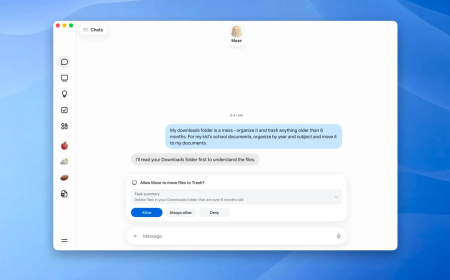
Perplexity says Comet can research and even shop on a user's behalf, with complete transparency into the assistant's actions. The Android version also comes with a built-in ad blocker.

Image Credits: Perplexity
More upgrades are already planned. In the coming weeks, Perplexity aims to roll out a conversational agent that can search across websites, faster action shortcuts for the assistant, and a fully featured password manager. Earlier this month, the startup enhanced its desktop Comet Assistant to handle more complex, longer-running tasks — such as transferring data from a webpage into a spreadsheet.
While today's launch focuses on Android, Perplexity confirmed that an iOS version is coming soon. The company said Android was prioritised because many carriers and OEMs have expressed interest in bundling Comet with their devices. However, Perplexity has not announced any specific partnerships tied to this launch.
Earlier this year, the company partnered with Motorola, which preloaded the Perplexity app on its phones, though it has not clarified whether that arrangement includes pre-installing the new browser.
The AI browser space has been gaining traction, with OpenAI, Opera, and The Browser Company (now part of Atlassian) all rolling out their own AI-powered browsing tools. Most of these offerings, however, have been focused on desktop. Arc Search, released last year by The Browser Company, hasn't received significant updates, and the company has since shifted its attention to a new browser called Dia, which currently lacks a mobile version.
As more companies try to challenge Chrome and Safari with AI-enhanced browsing experiences, cybersecurity concerns have also grown. Experts have warned that agent-driven browsers could introduce new vulnerabilities. In October, Perplexity acknowledged these risks in a public blog post, noting that emerging AI-powered attack patterns may require a rethink of security from the ground up."
What's Your Reaction?
 Like
0
Like
0
 Dislike
0
Dislike
0
 Love
0
Love
0
 Funny
0
Funny
0
 Angry
0
Angry
0
 Sad
0
Sad
0
 Wow
0
Wow
0