

































Deezer opens its AI music detection tool to other streaming platforms
Deezer has announced that it is making its AI music detection tool available to other streaming platforms. The technology is designed to identify fully AI-generated tracks, reduce streaming fraud, and ensure fair royalty distribution as AI-generated music uploads continue to rise across the industry.

Last year, Deezer rolled out an AI-powered detection system that automatically labels fully AI-generated music for listeners and excludes those tracks from both algorithmic and editorial recommendations. On Thursday, the company announced it is now offering this tool to other streaming services, aiming to combat the growing problem of AI-generated content, fraudulent streaming activity, and a lack of transparency across the music industry—while ensuring that human artists continue to receive proper recognition and compensation.
As part of the announcement, Deezer shared new data underscoring the scale of the issue. According to the company, 85% of streams attributed to fully AI-generated tracks are classified as fraudulent. Deezer says it now receives roughly 60,000 AI-generated tracks every day, bringing the total number of AI-detected songs on the platform to 13.4 million. For comparison, in June of last year, fully AI-generated music accounted for 18% of daily uploads, or just over 20,000 tracks per day.
Deezer claims its detection system can identify AI-generated music created with major generative models, including Suno and Udio. Beyond simply flagging AI-generated tracks, the platform removes them from recommendation systems, demonetises them, and excludes them from the royalty pool. Deezer says these measures are intended to ensure fair compensation for musicians and songwriters whose work is affected by AI-generated content.
A company spokesperson told TechCrunch that the tool achieves an accuracy rate of 99.8%.
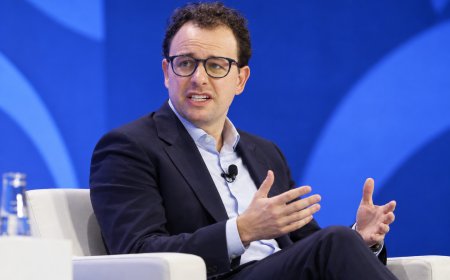
Deezer CEO Alexis Lanternier said there has already been “great interest” in the technology, noting that several organisations have successfully tested the tool. One confirmed adopter is Sacem, a French collective management organisation representing more than 300,000 music creators and publishers, including artists such as David Guetta and DJ Snake.
Deezer did not disclose pricing details or the names of other companies currently in talks to adopt the tool. A spokesperson said the cost depends on the structure and scope of each agreement.
Concerns around AI in music continue to grow, particularly regarding the use of copyrighted material to train generative models and the manipulation of streaming platforms to commit fraud. One high-profile case emerged in 2024, when the Department of Justice charged a musician based in North Carolina with creating AI-generated songs and deploying bots to inflate their streams artificially. Prosecutors said the scheme generated billions of fraudulent streams, resulting in more than $10 million in stolen royalty payments. Meanwhile, AI-generated acts such as The Velvet Sundown have amassed millions of legitimate streams across major platforms.
Different music services have taken varying approaches in response. Bandcamp recently banned AI-generated music outright, citing concerns over authenticity and fairness. Spotify, on the other hand, has updated its policies to better address the influx of AI-generated tracks. The company now requires greater clarity around AI usage in music production, has taken steps to curb spam uploads, and explicitly prohibits unauthorised AI voice cloning.
At the same time, major record labels appear to be moving toward a more collaborative approach with AI music companies. In recent months, Universal Music Group and Warner Music Group resolved legal disputes with Suno and Udio by striking licensing agreements. These deals allow AI startups to use licensed catalogues for model training while ensuring artists and songwriters are compensated.
Deezer has positioned itself as one of the more proactive streaming platforms in addressing AI-related concerns. In 2024, the company became the first music streaming service to sign a global statement on AI training, joining a group of creatives that included actors Kate McKinnon, Kevin Bacon, Kit Harington, and Rosie O’Donnell.
By making its AI detection tool available industry-wide, Deezer hopes to establish a broader standard for transparency, fraud prevention, and artist protection. The company’s move could encourage other streaming platforms to adopt similar safeguards as AI-generated music continues to reshape the digital music landscape.
What's Your Reaction?
 Like
0
Like
0
 Dislike
0
Dislike
0
 Love
0
Love
0
 Funny
0
Funny
0
 Angry
0
Angry
0
 Sad
0
Sad
0
 Wow
0
Wow
0