




































Lotus Health nabs $35M for AI doctor that sees patients for free
Lotus Health has raised $35 million to scale its AI-powered doctor, which provides free patient consultations, to expand access to primary healthcare.
A growing number of people are turning to OpenAI’s ChatGPT and other large language models to ask health-related questions, often finding that these systems can deliver surprisingly valuable medical insights.
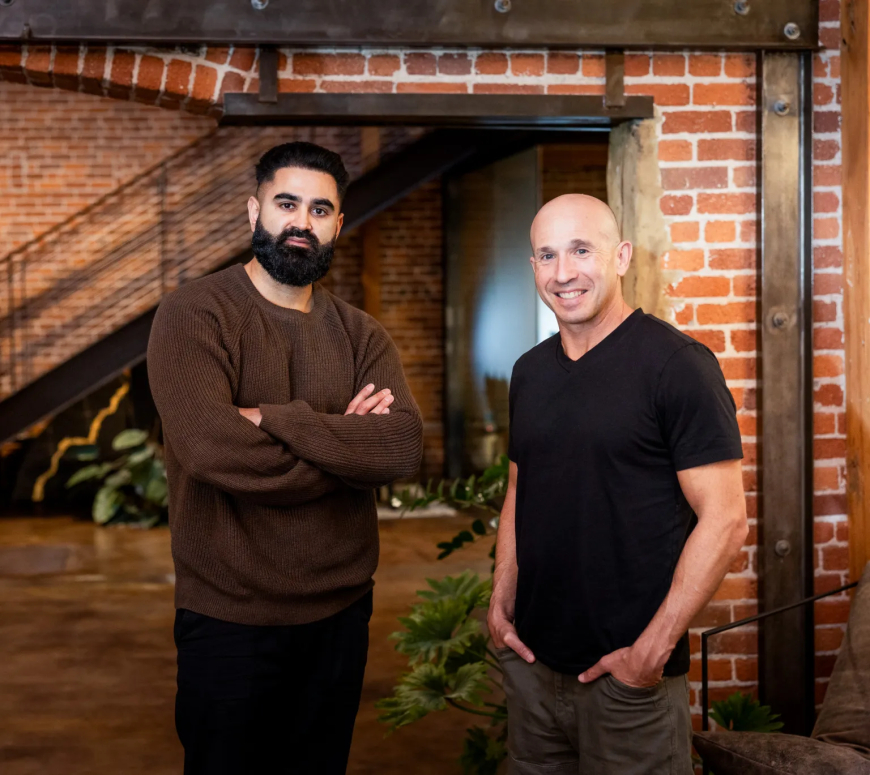
KJ Dhaliwal, who sold the South Asian dating app Dil Mil for $50 million in 2019, says he has been thinking about inefficiencies in the U.S. healthcare system since childhood. Growing up, he frequently acted as a medical translator for his parents, an experience that left a lasting impression. When large language models began to mature, Dhaliwal saw an opportunity to address some of those long-standing problems.
In May 2024, he launched Lotus Health AI, a free, AI-powered primary care provider available 24/7 in 50 languages. On Tuesday, Lotus announced that it raised $35 million in a Series A funding round co-led by CRV and Kleiner Perkins, bringing the company’s total funding to $41 million.
While many people already consult AI tools about health concerns, Lotus goes further by connecting those conversations to genuine medical care. The platform facilitates diagnoses, prescriptions, and referrals to specialists, moving beyond informational chat and into clinical action.
At its core, Lotus is building an AI doctor that functions like a traditional medical practice. The company says it holds licenses to operate in all 50 U.S. states, carries malpractice insurance, runs HIPAA-compliant systems, and maintains full access to patient medical records.
The main difference is that most interactions are handled by AI, which is trained to ask the same questions a human physician would during a primary care visit.
Because AI systems can hallucinate or make errors, Lotus requires that board-certified human physicians review every final diagnosis, lab order, and prescription. These doctors come from major medical institutions, including Stanford University, Harvard University, and UCSF.
Lotus has also developed its own AI model, similar to OpenEvidence, that combines the latest evidence-based medical research with a patient’s medical history and responses to clinical questions to generate a treatment plan.
“AI is giving the advice, but the real doctors are actually signing off on it,” Dhaliwal told TechCrunch.
The company is clear about the limitations of virtual care. For urgent or emergencies, Lotus directs patients to the nearest urgent care facility or emergency room. If a case requires a physical examination, patients are referred to an in-person physician, Dhaliwal said.
Handing off a large portion of medical decision-making to AI is an ambitious approach, particularly given the regulatory complexity of healthcare. Doctors, for example, are generally limited to treating patients only in the states where they are licensed.
As Saar Gur, a general partner at CRV who led the funding round and joined Lotus’ board, put it: “There are many challenges, but it’s not SpaceX sending astronauts to the moon.”
Gur, an early investor in DoorDash, Mercury, and Ring, believes that the telemedicine frameworks implemented during the pandemic, combined with recent advances in AI, enable Lotus to navigate many regulatory and technical hurdles.
“It’s a big swing,” Gur said. But that ambition is precisely what attracted him to the company, as Lotus is fundamentally rethinking how primary care is delivered.
At a time when primary care physicians are in short supply across the U.S., Lotus claims its model can handle up to 10 times as many patients as a traditional practice, even with 15-minute visits.
Lotus is not alone in pursuing this vision—other startups, including Doctronic, which Lightspeed Venture Partners backs, are also building AI-driven doctors. For now, Lotus is differentiating itself by offering its full range of care at no cost.
Dhaliwal said future business models could include subscriptions or sponsored content. Still, for now, the company is focused solely on improving the product and attracting patients, rather than on generating revenue.
What's Your Reaction?
 Like
0
Like
0
 Dislike
0
Dislike
0
 Love
0
Love
0
 Funny
0
Funny
0
 Angry
0
Angry
0
 Sad
0
Sad
0
 Wow
0
Wow
0