




































TikTok launches an opt-in Local Feed in the US leveraging users’ precise location
TikTok introduces an opt-in Local Feed in the US, using precise location data to surface nearby content, businesses, and community updates.
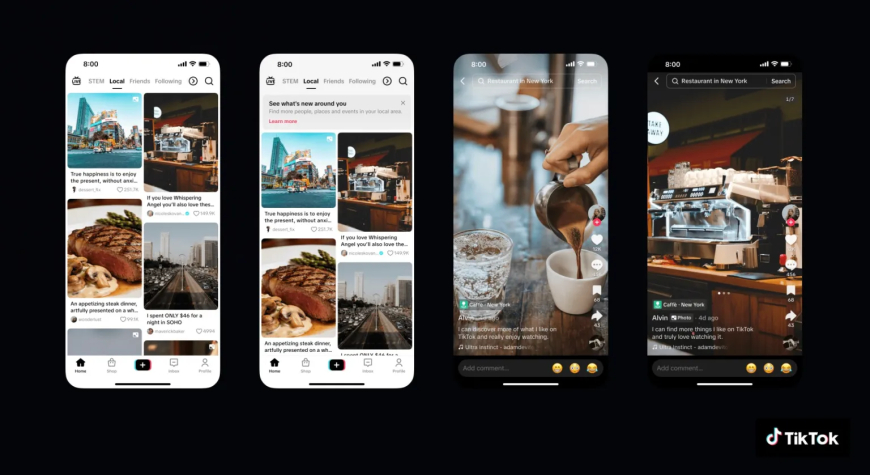
TikTok announced on Wednesday that it is launching a new "Local Feed" within the U.S. version of its app. The feature is designed to surface content related to travel, news, events, shopping, and dining options based on a user's current geographic location. The rollout follows a recent update to TikTok's terms of service under its new U.S. joint venture, which indicated that the app would begin collecting more precise location data from American users.
What's Your Reaction?
 Like
0
Like
0
 Dislike
0
Dislike
0
 Love
0
Love
0
 Funny
0
Funny
0
 Angry
0
Angry
0
 Sad
0
Sad
0
 Wow
0
Wow
0

Shivangi Yadav
Shivangi Yadav is a technology writer at TechAmerica.ai, covering artificial intelligence, startups, digital platforms, consumer technology, mobility, and emerging technologies.
Her reporting follows major developments across the global technology industry, from AI companies and startup funding to product launches, regulatory investigations, software platforms, and changes affecting large technology markets.
At TechAmerica.ai, Shivangi looks beyond the initial announcement to understand what a development means in practice. Her coverage often examines how new technologies, regulatory decisions, and business moves could affect companies, consumers, and the wider industry.
She writes for an international audience, focusing on clear, well-researched reporting that gives readers useful context on fast-moving technology stories.