






















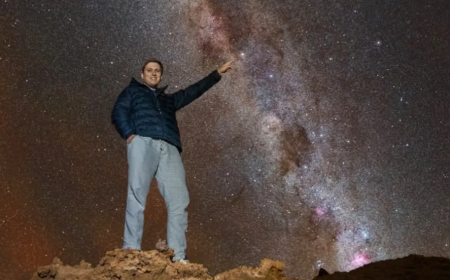











Zanskar thinks 1 TW of geothermal power is being overlooked
Zanskar argues that nearly 1 terawatt of geothermal power remains untapped globally and says new exploration technology could unlock clean, baseload energy at scale.
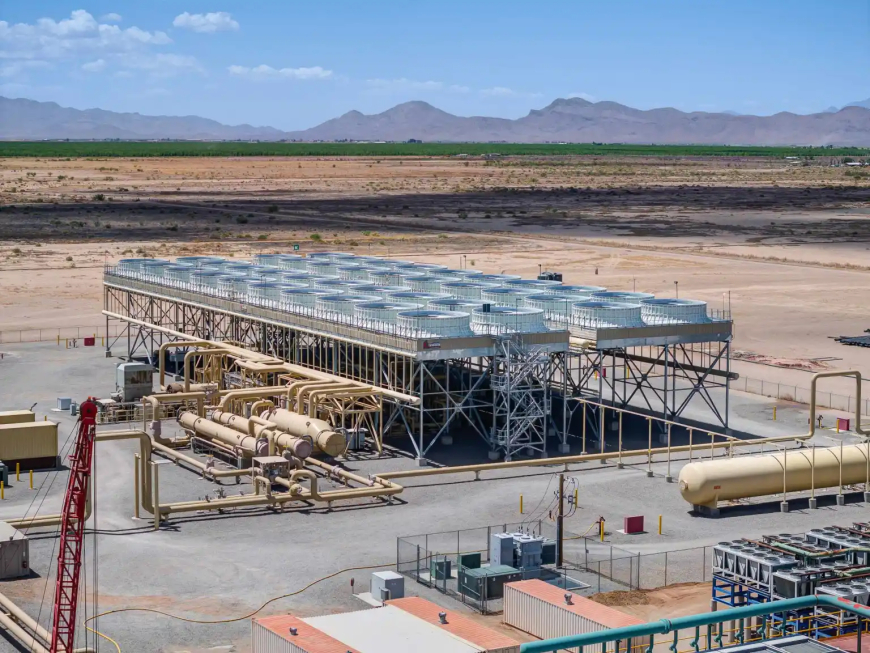
Zanskar believes the global potential of geothermal energy has been dramatically underestimated. While the vast heat stored beneath the Earth’s surface has long been recognised, projections from the U.S. Department of Energy suggest geothermal could supply about 60 gigawatts of power — close to 10% of total U.S. electricity demand — by 2050.
According to Zanskar co-founder and CEO Carl Hoiland, that estimate falls far short of what’s realistically achievable. He argues the outlook overlooks the untapped scale of conventional geothermal resources.
Current federal projections hinge largely on advances in enhanced geothermal systems, which rely on fracking-style methods to reach deep, superheated rock. Startups such as Fervo Energy and Sage Geosystems are actively developing this approach, and industry observers widely agree that the technology holds enormous promise. Meanwhile, conventional geothermal — which draws energy from naturally fractured underground heat reservoirs — has grown only slightly, producing roughly 4 gigawatts nationwide, an increase of about 1 gigawatt over the past decade.
Hoiland says that stagnation stems from outdated assumptions that no longer hold up. He told TechCrunch that researchers have significantly underestimated the number of viable conventional geothermal systems.
“They’ve likely misjudged how many undiscovered systems exist, possibly by an order of magnitude,” Hoiland said. With today’s drilling capabilities, he added, developers can extract far more energy from each site — potentially another order of magnitude more. “When you combine those factors, you’re no longer talking about tens of gigawatts. You’re looking at something that could reach the terawatt scale.”
To unlock that potential, Zanskar is leaning heavily on artificial intelligence. Using AI-driven exploration methods, the company has already helped revive an underperforming geothermal power plant in New Mexico and identified two previously unknown sites that together could generate more than 100 megawatts.
Those milestones helped Zanskar secure a $115 million Series C funding round led by Spring Lane Capital. Additional backing came from the All Aboard Fund, Carica Sustainable Investments, Clearvision Ventures, Cross Creek, GVP Climate, Imperative Ventures, Lowercarbon Capital, Munich Re Ventures, Obvious Ventures, Orion Industrial Ventures, Safar Partners, StepStone Group, Susquehanna Sustainable Investments, Tranquillion, Union Square Ventures, University Growth Fund, and UP. Partners.
One reason so many geothermal opportunities have been missed, Hoiland explained, is that exploration efforts have traditionally focused on visible surface indicators such as hot springs or volcanic activity. However, he noted that roughly 95% of geothermal systems show no such surface signs. “Most discoveries still happen by chance,” he said. “That makes it an ideal problem for AI to solve.”
Zanskar’s process begins by training supervised machine learning models on extensive datasets, including historical records of accidental geothermal finds. Once the models flag a promising location, the company dispatches field teams to verify the site’s potential.
From there, Zanskar develops a tailored plan to bring the resource online using a specialised AI framework called Bayesian evidential learning (BEL). This method starts with existing data to establish prior assumptions, then systematically tests and challenges those assumptions to generate probability-based outcomes. Where information gaps exist, Zanskar relies on an in-house geothermal simulation platform to model missing variables.
So far, the strategy has delivered consistent results. Funding from the previous round enabled the company to evaluate three geothermal sites, all of which met its success criteria. “Three out of three,” said Zanskar co-founder and CTO Joel Edwards. “The real question is what happens when we scale that to ten.”
Hoiland said the company’s current development pipeline could support at least one gigawatt of power generation. Zanskar has concentrated its efforts in the western United States, where geothermal conditions are most favourable. The next milestone is confirming at least ten high-quality sites, which would help attract project finance investors — a source of capital that’s typically cheaper and more sustainable than venture funding.
Reaching that stage could allow Zanskar to avoid the “valley of death” that has derailed many climate tech startups before reaching commercial scale.
While Hoiland acknowledges that significant challenges remain in geothermal exploration, he remains confident in the company’s direction.
“We now understand that this is how future exploration will be done,” he said. “This approach is going to reshape geothermal energy far sooner than most people expect.”
What's Your Reaction?
 Like
0
Like
0
 Dislike
0
Dislike
0
 Love
0
Love
0
 Funny
0
Funny
0
 Angry
0
Angry
0
 Sad
0
Sad
0
 Wow
0
Wow
0