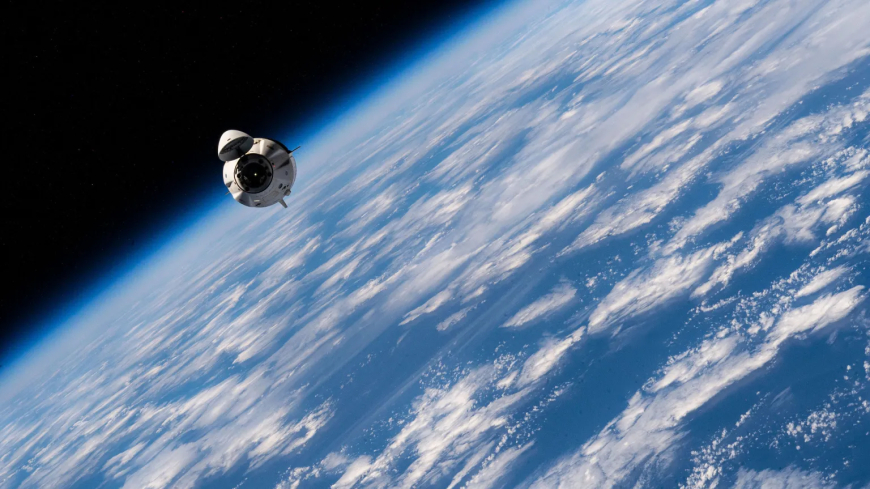
Get ready for space selfies like never before. NASA astronauts will soon be allowed to bring their personal smartphones into space, marking the first time the agency has approved the use of modern phones on crewed missions. The policy change will begin with the upcoming Crew-12 mission and the Artemis II lunar mission.
Crew-12 is scheduled to launch to the International Space Station next week, while Artemis II — a mission that will carry humans around the moon for the first time since the 1960s — has been delayed until March.
“We are giving our crews the tools to capture special moments for their families and share inspiring images and video with the world,” said Jared Isaacman, NASA’s administrator, in a post on X.
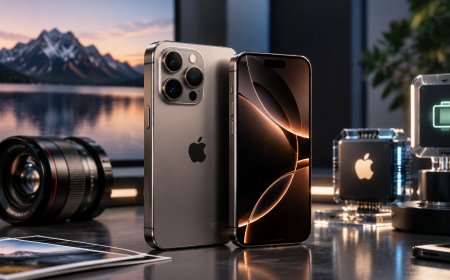
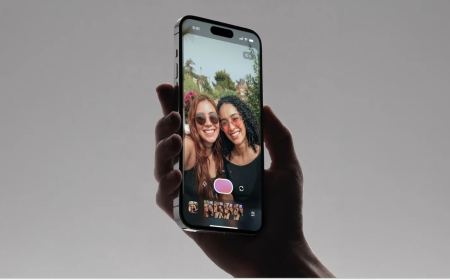
With access to modern iPhones and Android devices, astronauts will be able to capture photos and videos more freely and spontaneously than ever before. For people watching from Earth, this means upcoming missions could become among the most thoroughly documented spaceflights in NASA’s history.
It also opens the door to some uniquely modern possibilities. Astronauts could record short-form videos in zero gravity, snap ultra-wide-angle selfies inside spacecraft, or document life in space in a more casual, personal way. For an agency often associated with strict procedures and lengthy approval cycles, it’s notable that NASA moved relatively quickly to approve the use of smartphones.
“Just as important, we challenged long-standing processes and qualified modern hardware for spaceflight on an expedited timeline,” Isaacman wrote. “That operational urgency will serve NASA well as we pursue the highest-value science and research in orbit and on the lunar surface.”
Approving new technology for spaceflight is no small task. Even minor malfunctions can have serious consequences during a mission, which is why hardware certification typically takes years. Until now, the most up-to-date cameras approved for NASA missions have been decade-old Nikon DSLRs and GoPros, according to Ars Technica. While those tools remain effective, smartphones offer immediacy, flexibility, and spontaneity that traditional cameras lack.
This is not the first time smartphones have travelled to space. SpaceX has previously allowed astronauts to bring smartphones on its private crewed missions. However, NASA’s decision to formally approve phones for its own missions — including a return to the moon — represents a notable shift in how the agency balances tradition, safety, and modern technology.



























 Like
0
Like
0
 Dislike
0
Dislike
0
 Love
0
Love
0
 Funny
0
Funny
0
 Angry
0
Angry
0
 Sad
0
Sad
0
 Wow
0
Wow
0