






































Wearable Health Devices Could Generate One Million Tons of E-Waste by 2050
Wearable health devices could generate more than 1 million tons of e-waste by 2050 as demand surges, according to a study by Cornell University and the University of Chicago.
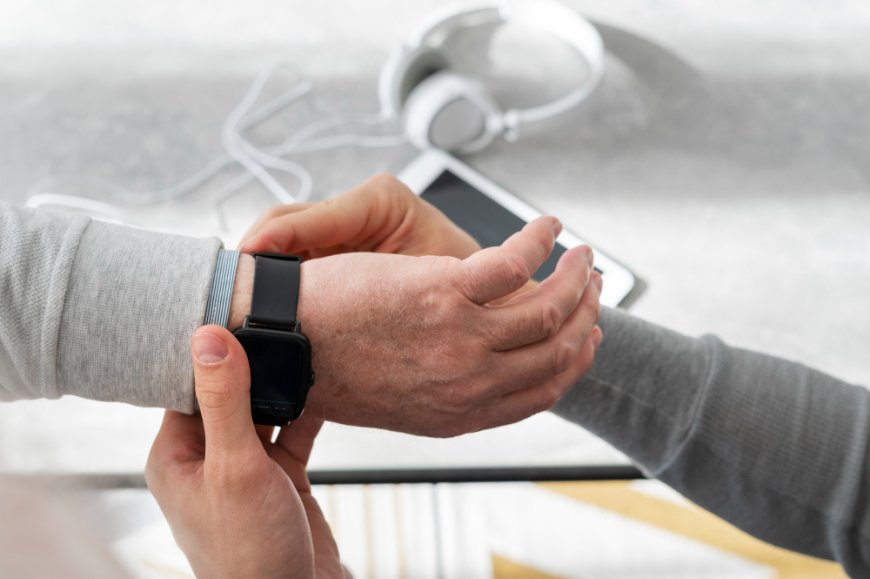
At CES 2026 in Las Vegas, technology companies are showcasing the latest generation of wearable health devices — from glucose monitors and blood pressure trackers to fitness wearables. What is largely absent from the discussion, however, is the environmental cost these devices may carry in the decades ahead.
A new study by researchers at Cornell University and the University of Chicago warns that the rapid growth of health wearables could lead to a substantial increase in electronic waste. According to the analysis, global demand for health-related wearables could reach 2 billion devices annually by 2050, a figure 42 times the current level.
If manufacturing practices remain unchanged, the researchers estimate that these devices could generate more than 1 million tons of electronic waste and produce approximately 100 million tons of carbon dioxide emissions over the same period.
One of the study's more unexpected findings is that plastic components are not the primary environmental concern. Instead, the most significant contributor to emissions is the printed circuit board, often described as the device's "brain." The researchers found that circuit boards account for about 70% of a wearable's total carbon footprint, mainly due to the energy-intensive processes involved in mining and manufacturing electronic components.
The findings were published in the journal Nature.
To reduce the environmental impact, the researchers propose two key changes. First, they recommend designing chips using widely available metals, such as copper, rather than relying on rarer materials, such as gold. Second, they suggest making wearable devices modular, allowing the circuit board to be reused while external components such as casings or straps are replaced.
In the study, one co-author noted that "when these devices are deployed at global scale, small design choices add up quickly."
As companies continue to unveil new products at events such as CES 2026, researchers argue that the long-term environmental footprint of wearable health technology warrants greater attention.
What's Your Reaction?
 Like
0
Like
0
 Dislike
0
Dislike
0
 Love
0
Love
0
 Funny
0
Funny
0
 Angry
0
Angry
0
 Sad
0
Sad
0
 Wow
0
Wow
0