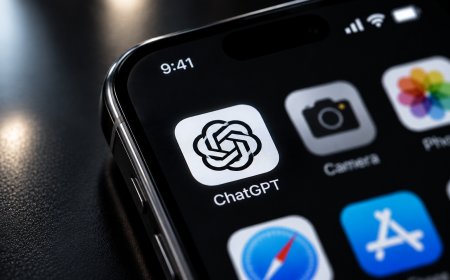
OpenAI confirmed Monday that it has begun rolling out advertisements to users on the Free and Go subscription tiers of ChatGPT in the United States.
The Go tier, which debuted globally in mid-January, is marketed as a more affordable subscription option, priced at $8 per month in the U.S. Customers enrolled in OpenAI’s premium plans — including Plus, Pro, Business, Enterprise, and Education — will not be shown advertisements, the company said.
In a blog post published alongside the update, OpenAI addressed potential concerns about how ads might affect the chatbot’s performance. The company stressed that advertisements will not shape or alter ChatGPT’s responses and reiterated that conversations remain private from advertisers. OpenAI stated that the purpose of introducing ads is to help support wider access to more advanced ChatGPT features while maintaining the trust users place in the platform for personal and important tasks.
The advertising initiative, first revealed last month, quickly sparked discussion across the industry. During Sunday’s Super Bowl broadcasts, competing AI firm Anthropic aired television commercials that appeared to poke fun at the concept of AI services integrating advertising. The spots depicted over-the-top scenes in which chatbot advice was awkwardly interrupted or accompanied by poorly targeted ads, suggesting that advertising could negatively impact the overall user experience.
Sam Altman, CEO of OpenAI, reacted strongly to the criticism. He described the rival’s ads as misleading and called Anthropic an authoritarian company in response to the portrayal.
Public reaction to the idea of ads appearing in AI-generated outputs has historically been cautious. Toward the end of last year, OpenAI faced criticism after testing app suggestions that some users perceived as resembling intrusive advertising. Even so, the company must generate sufficient revenue from its widely used chatbot to offset the substantial costs of research, infrastructure, and continued growth.
Although the financial rationale for introducing ads is clear, some observers worry that commercial partnerships could subtly influence the content generated by ChatGPT. OpenAI has dismissed those concerns, stating that advertisements will be optimised for what is most useful to users and will not affect the chatbot’s answers. The company also confirmed that ads will be clearly identified as sponsored material and displayed separately from standard responses.
During its testing period, OpenAI experimented with targeting ads to users based on conversation topics, prior chats, and prior ad engagement. For example, someone researching recipes might see advertisements related to grocery delivery services or meal kits.OpenAI emphasised that advertisers will not have access to individual user conversations or personal data. Instead, they will receive aggregated performance metrics, such as impressions and clicks.
To enhance transparency and user control, OpenAI said individuals will be able to review their ad interaction history and clear it at any time. Users will also have options to dismiss ads, submit feedback, understand why a specific ad was displayed, and manage their personalisation preferences.
The company further clarified that ads will not be shown to users under 18. Additionally, advertising will not appear alongside sensitive or regulated topics, including discussions related to health, politics, or mental health.





























 Like
0
Like
0
 Dislike
0
Dislike
0
 Love
0
Love
0
 Funny
0
Funny
0
 Angry
0
Angry
0
 Sad
0
Sad
0
 Wow
0
Wow
0