































How Mill Closed the Deal with Amazon and Whole Foods
Food-waste startup Mill has secured a major commercial deal with Amazon and Whole Foods to deploy its AI-powered food-waste bins in grocery stores starting in 2027. The partnership marks Mill’s expansion from household customers into commercial and enterprise markets, using data and AI to reduce food waste and operating costs.

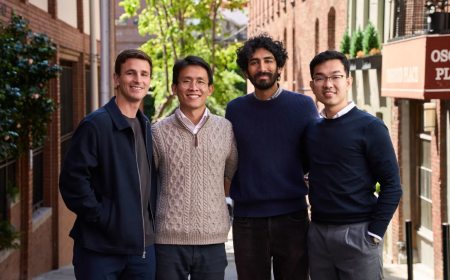
Mill may have started with households, but co-founder and CEO Matt Rogers says the food-waste startup has long planned to expand to commercial customers.
“This has been part of our plan since our Series A deck,” Rogers told TechCrunch.
Now, with an official deal secured with Amazon and Whole Foods, Mill’s strategy to grow by handling food waste at scale is becoming more visible.
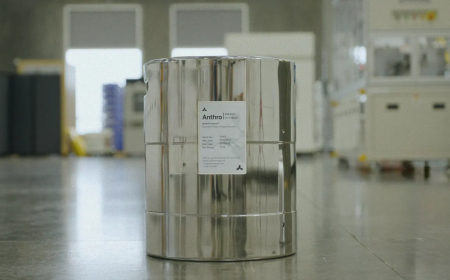
Beginning in 2027, Whole Foods will deploy a commercial-scale version of Mill’s food waste bin in each of its grocery stores. These bins will grind and dehydrate food waste from produce departments, reducing landfill fees while also generating feed for egg producers. The approach helps cut operating costs and lowers the retailer’s environmental footprint.
At the same time, the bins will collect data to help Whole Foods understand which foods are being wasted and why. This insight could enable the grocer to control costs better and reduce waste earlier in the supply chain. “Ultimately, our goal is not just to make their waste operations more efficient, but also to move upstream so they actually waste less food,” Rogers said.
Mill began selling food-waste bins to households several years ago. Designed by a team that previously worked on the Nest thermostat, the bins focus on usability and aesthetics. During testing of the first and second generations, Rogers noted that even his kids enjoyed interacting with the product.
“Starting in consumer was very intentional because you build the proof points, you build the data, the brand, loyalty,” Rogers said. By the time conversations began, many members of the Whole Foods team were already familiar with Mill’s consumer product.
“It’s actually kind of our enterprise sales strategy,” Rogers explained. “We talk to senior leadership at our ideal customers, and if they haven’t tried Mill at home yet, we say, ‘Hey, try Mill at home, see what your family thinks.’ It’s a surefire way of getting people excited.”
Mill began discussions with Whole Foods about a year ago. Over the following months, the company demonstrated the consumer version of its bin inside select Whole Foods stores.
Mill has also developed AI that uses a combination of sensors to assess whether food entering the bin is still saleable. Reducing “shrink” — industry jargon for losses caused by waste or theft — can give grocery retailers a competitive advantage.
Advances in large language models have significantly accelerated development, Rogers said. While training Nest Cameras to recognise people and packages once required dozens of engineers and more than a year, Mill achieved better results with a much smaller team and in far less time. “AI is a huge enabler,” he said.
The use of AI allowed Mill to deliver a commercial product faster, expanding its customer base and diversifying revenue streams.
“If you are a single-channel, single-customer business, you’re fragile,” Rogers said. Drawing on his experience at Apple during the iPod era, he noted that Apple aggressively pursued the iPhone because it relied too heavily on a single product line. “We needed to build another leg of the stool.”
Mill appears intent on doing the same. Rogers said the company is also working to expand into municipal food waste management.
“We’re continuing to add more legs to the stool and adding more diversity to the business,” he said.
What's Your Reaction?
 Like
0
Like
0
 Dislike
0
Dislike
0
 Love
0
Love
0
 Funny
0
Funny
0
 Angry
0
Angry
0
 Sad
0
Sad
0
 Wow
0
Wow
0