







































Superorganism Raises $25M to Support Biodiversity-Focused Startups
Superorganism has raised $25.9 million for its debut fund, positioning itself as a dedicated investor in biodiversity startups across conservation technology, climate-nature solutions, and ecosystem protection.

Superorganism, which launched in 2023 as what it describes as the first venture capital firm dedicated exclusively to biodiversity, has closed its inaugural fund with $25.9 million in capital commitments. The firm positions itself as a conservation-minded investor for startups working to protect and restore nature.
The fund drew backing from organizations including Cisco Foundation, AMB Holdings, and Builders Vision, as well as individual investors such as Jeff Jordan, a partner at Andreessen Horowitz.
Superorganism invests in companies across three main areas: technologies that slow or reverse species extinction, startups operating at the intersection of climate and biodiversity, and tools that help conservationists work more effectively. The firm typically writes checks ranging from $250,000 to $500,000 for pre-seed and seed-stage startups and has committed to donating 10% of its profits to future conservation efforts.
“You could think of us a lot like a climate tech fund, but instead of focusing on where we can emit less carbon dioxide or avoid emissions altogether, we’re doing the same thing for nature loss,” said Kevin Webb, a managing director at Superorganism, in an interview.
One example of the type of company Superorganism backs is portfolio startup Spoor. Spoor develops software that uses computer vision to track bird movement and migration patterns, helping wind farm operators reduce harm to local bird populations. The technology supports biodiversity goals while also assisting developers to comply with regulations that could otherwise delay or halt wind energy projects.
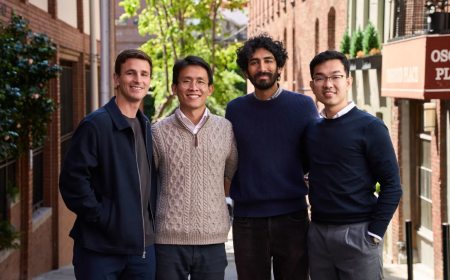
Webb and co-founder Tom Quigley, who also serves as a managing director, first connected while Webb was exploring angel investments in biodiversity-focused startups to test whether the space could support a venture capital strategy. Their discussions eventually led to the formation of Superorganism, which began taking shape in 2022.
Although the political environment around climate and nature protection in the U.S. has shifted since then, Quigley said it did not prevent the firm from reaching its $25 million fundraising target. He noted that some limited partners initially needed clarity on how Superorganism differs from traditional climate funds. Still, that distinction becomes clearer when examining the firm’s portfolio diversity.
“We are purposely building a diverse portfolio,” Quigley said. “It allows us to show what the best biodiversity companies look like across industries and technologies. We think a showcase portfolio is powerful and more resilient to changes in policy or market conditions.”
Quigley also noted that many biodiversity challenges span political divides. He cited Ron DeSantis, who recently highlighted Inversa, a Superorganism portfolio company that turns invasive species into leather products, for its role in addressing invasive python populations in the Everglades.
So far, Superorganism has invested in 20 companies and plans to grow the fund’s portfolio to around 35 startups.
“We recognize that we’re the first in this space, and part of our role is to bring others along,” Quigley said. “That means helping investors make their first bet on biodiversity and supporting the companies that can truly move the needle.”
What's Your Reaction?
 Like
0
Like
0
 Dislike
0
Dislike
0
 Love
0
Love
0
 Funny
0
Funny
0
 Angry
0
Angry
0
 Sad
0
Sad
0
 Wow
0
Wow
0