






































Sortera is turning America’s scrap aluminum problem into cash
Sortera’s AI-powered system can sort aluminium scrap with over 95% accuracy, helping unlock massive recycling value as the company expands nationwide.

When it comes to recycling, few materials are as efficient as aluminium. It can be reused endlessly, and recycling it consumes far less energy than producing new aluminium. Yet in the U.S., only about a third of aluminium is recycled — largely because sorting mixed aluminium scrap has long been a significant industry challenge.
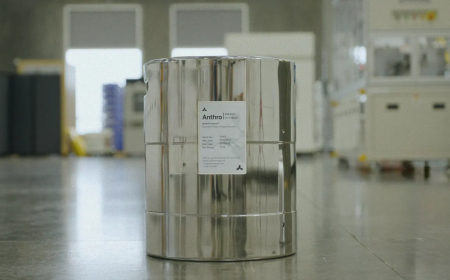
Michael Siemer, CEO of Sortera, believes his company has finally unlocked that problem. Sortera says it has developed a system capable of separating aluminium grades with more than 95% accuracy, a breakthrough that could unlock enormous untapped value in the recycling economy.
The system uses an AI model that identifies aluminium grades using data from lasers, X-ray fluorescence, and high-speed cameras. Each metal chip — roughly the size of a large potato chip — must be classified in a split second. “Ten milliseconds is a long time,” Siemer says. After the system identifies the alloy, targeted bursts of air send each piece into the correct bin.
That level of precision matters because many recycling operations must melt aluminium down before they can determine its alloy — and once alloys are mixed, the scrap becomes far less valuable. By sorting alloys before melting, Sortera preserves purity and significantly boosts value.
“People have been wanting to go after this unsorted aluminum, and nobody’s been able to unlock it,” Siemer says.
Sortera’s accuracy is also driving something else most startups chase: profitability. As Siemer explains, minor improvements in accuracy create outsized gains. “The margin is exponential above 90%. Ninety-two per cent gets you a nice little margin, 95% gets you a big margin, [and] 98% is a huge margin.”
The company has been cash flow positive since August, powered by its single facility in Indiana. To expand, Sortera recently raised $20 million in equity and $25 million in debt, led by VXI Capital and accounts advised by T. Rowe Price, with participation from Overlay Capital and Yamaha Motor Ventures. Trinity Capital is providing additional equipment financing.
The new plant, located near Nashville, is scheduled to come online in April or May. “It’s a replica of our Indiana plant,” Siemer says. The Indiana site runs around the clock and processes millions of pounds of aluminium each month.
Most of Sortera’s aluminium comes from shredded automobiles. Different aluminium alloys fracture in unique ways during shredding, creating visual patterns that the AI can classify. “The chemical differences manifest themselves in the shredding,” Siemer explains. Distinctive folds and tears help the system recognise the material. “You gain these little insights so that in about a 10-millisecond time window, you go, ‘I’m pretty darn sure that’s 356 [grade aluminium].’”
As Sortera scales up, much of the sorted aluminium is expected to be returned to automotive manufacturing. Carmakers continue to increase aluminium use to reduce vehicle weight and boost efficiency. “Every auto OEM on the planet has been to Indiana at least twice,” Siemer says.
The company is exploring ways to sort other metals, such as copper and titanium, but aluminium remains its core focus. “We could instantly sort the 18 billion tons aluminium made annually in the U.S. Every piece of that, every pound would be sold at a profit in the U.S.”
What's Your Reaction?
 Like
0
Like
0
 Dislike
0
Dislike
0
 Love
0
Love
0
 Funny
0
Funny
0
 Angry
0
Angry
0
 Sad
0
Sad
0
 Wow
0
Wow
0