






























Tesla Robotaxi in 2026: What’s Really Happening and How Close Are We?
Tesla Robotaxi in 2026: a clear breakdown of what’s real, what’s hype, and how close driverless taxis really are.
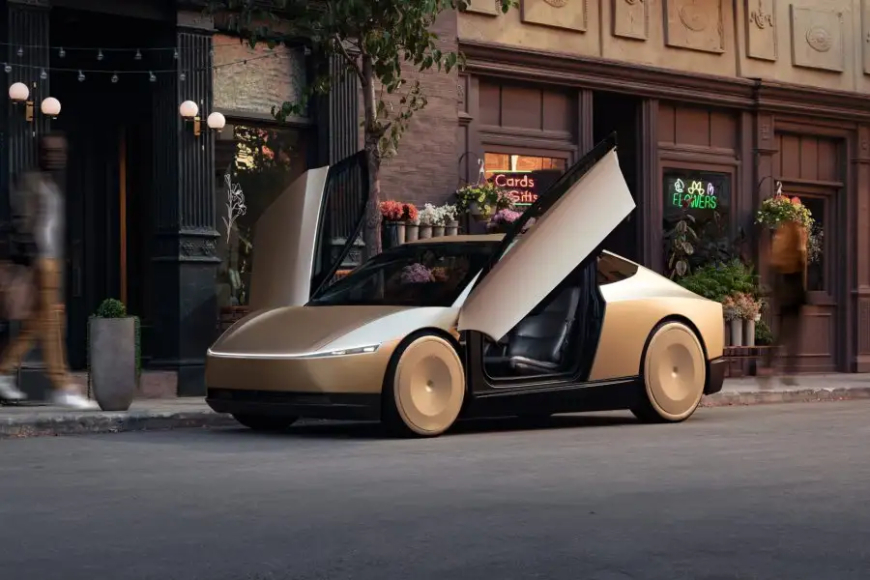
The idea of a Tesla Robotaxi has been floating around for years. Every few months, it reemerges in headlines, social media debates, and Google searches. Now, as we move closer to 2026, the question feels more serious than ever:
Is Tesla really close to launching a driverless Robotaxi, or are we still years away?
Let’s slow down, strip away the hype, and talk about this like real people—not marketing slides or investor calls.
First Things First: What Is Tesla Actually Promising?
At its core, the Robotaxi idea is simple.
A car that:
- Drives itself
- Doesn’t need a human behind the wheel
- Can pick you up through an app
- Costs less than today’s taxis or ride-hailing services
According to Tesla, this wouldn’t just be a new car—it would be a whole new way to move around cities.
It sounds incredible. It also sounds… very hard.
Why 2026 Keeps Coming Up
You’ll notice something interesting if you follow Tesla closely: They don’t usually give exact dates—but they keep pointing toward the mid-2020s.
By 2026, Tesla expects:
- Much better self-driving software
- More powerful AI training systems
- Years of real-world driving data
- Hardware that’s cheaper and more efficient
That doesn’t mean a global Robotaxi rollout in 2026. It means Tesla believes things become practical around that time.
And that’s a significant difference.
The Self-Driving Reality (No Sugarcoating)
Here’s the honest part most articles skip.
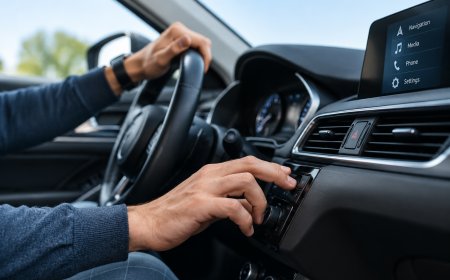
Tesla’s Full Self-Driving system is impressive—but it’s not yet truly autonomous.
Right now:
- A human still has to pay attention
- The car still makes mistakes
- Edge cases still confuse the system
For Robotaxi to work the way people imagine, Tesla has to cross a huge line:
From “very advanced driver assistance” to “the car is fully responsible.”
That’s not just a software problem. It’s also a legal, safety, and trust problem.
Tesla’s Big Gamble: Cameras Only
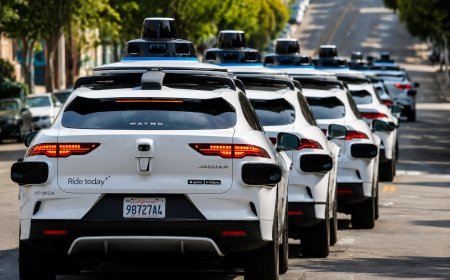
Most other companies working on robotaxis use:
- Lidar
- Radar
- Cameras
- Pre-mapped roads
Tesla does not.
Tesla believes cameras, AI, and massive amounts of data are enough.
That’s bold. It’s also risky.
If Tesla is right, they win big—cheaper cars, faster scaling, simpler hardware.
If they’re wrong, progress slows down dramatically.
This single decision could determine whether the Robotaxi dream succeeds or stalls.
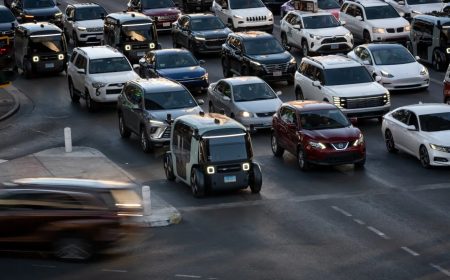
What a Tesla Robotaxi Would Probably Look Like
Forget steering wheels and dashboards.
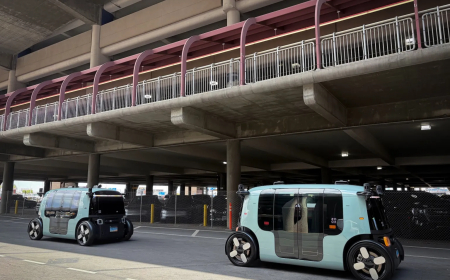
A real Robotaxi would likely be:
- Compact and city-focused
- Easy to get in and out of
- Built for durability, not luxury
- Simple inside, almost lounge-like
- Designed to run all day, every day
It wouldn’t be a “fun car.”
It would be a tool—built to move people cheaply and efficiently.
The Business Side Nobody Talks About Enough
Tesla doesn’t want Robotaxis to look cool.
They want them to:
- Run almost constantly
- Replace expensive human-driven taxis
- Generate recurring software revenue
- Turn cars into income-producing assets
If this works, it could change how people think about car ownership entirely.
That’s why investors care so much—and why regulators are cautious.
The Biggest Roadblocks (And They’re Not Technical)
Even if Tesla solves the driving part, there are still significant problems:
- Laws vary by country and state
- Who’s responsible in a crash?
- How does insurance work?
- Will people trust a car with no driver?
Technology moves faster than laws.
That gap could slow Robotaxis more than AI ever will.
So… Is Tesla Robotaxi Really Coming in 2026?
Here’s the most honest answer:
Probably not everywhere. And not all at once.
What does seem realistic:
- Limited pilot programs
- Specific cities or routes
- Carefully controlled environments
- Gradual expansion
Tesla has always worked this way—push early, adjust fast, expand slowly.
Final Thoughts: Hype vs Reality
The Tesla Robotaxi isn’t fake.
It isn’t science fiction anymore.
But it’s also not a switch Tesla can flip.
By 2026, we’ll likely see:
- More autonomous capability
- More serious testing
- More regulatory pressure
- More public debate
Whether Robotaxis truly take over will depend less on flashy demos—and more on trust, safety, and patience.
And that’s the part no algorithm can rush.
What's Your Reaction?
 Like
0
Like
0
 Dislike
0
Dislike
0
 Love
0
Love
0
 Funny
0
Funny
0
 Angry
0
Angry
0
 Sad
0
Sad
0
 Wow
0
Wow
0