






















Tesla moves Full Self-Driving to a subscription-only model
Tesla has dropped the one-time purchase option for Full Self-Driving, moving entirely to a monthly subscription as it reshapes its autonomous driving strategy.
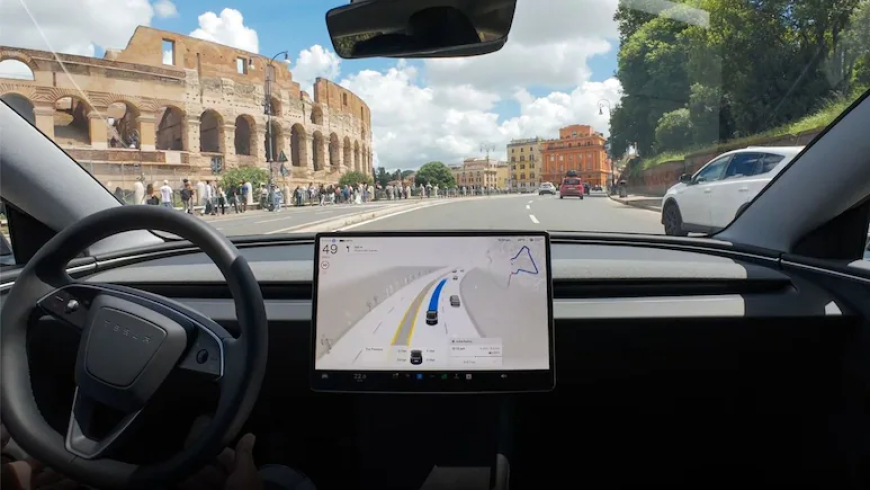
Tesla is changing how customers pay for its most controversial software feature. Starting February 14, buyers will no longer be able to purchase Full Self-Driving (Supervised) as a one-time upgrade. Instead, access to FSD will only be available through a monthly subscription, according to a statement from CEO Elon Musk.
Tesla will stop selling FSD after Feb 14.
FSD will only be available as a monthly subscription thereafter. — Elon Musk (@elonmusk) January 14, 2026
The shift marks a clear break from Tesla’s long-running approach to selling its advanced driver-assistance software. For years, the company encouraged customers to pay upfront for FSD, often arguing that the price would rise as the system improved. At its peak, that one-time fee reached $15,000 in 2022, then fell to around $8,000. In parallel, Tesla introduced a subscription option in 2021, priced at $199 per month, which was later reduced to $99.
The upfront option is now being discontinued entirely.
Tesla hasn’t publicly explained the decision, but several factors are likely at play. Adoption has been slower than the company once hoped. In late 2025, Tesla’s chief financial officer disclosed that only about 12% of owners had paid for FSD. A subscription-only model lowers the barrier to entry and could help boost usage, particularly during what analysts expect to be a challenging financial period for the company.
The move may also be tied to Musk’s compensation plan. One of the key performance targets linked to his massive pay package requires Tesla to reach 10 million active FSD subscriptions before the mid-2030s. Shifting entirely to subscriptions makes that goal more attainable, at least on paper.
There’s also a legal dimension. For years, Tesla marketed its vehicles — and FSD itself — with the promise that they would eventually become fully autonomous through software updates alone. In practice, that hasn’t happened. Tesla has since acknowledged that many older vehicles lack the hardware needed to support future autonomy features, undermining earlier claims.
Those promises have landed the company in court. Regulators and private plaintiffs have accused Tesla of misleading marketing around both FSD and Autopilot. In December, a California judge ruled that Tesla engaged in deceptive practices and ordered a temporary suspension of its state licenses, pending changes to product naming or capabilities. Multiple class-action lawsuits are still ongoing.
By eliminating the one-time purchase option, Tesla may be limiting its long-term liability. Customers who subscribe month-to-month aren’t being sold a future promise of autonomy — just access to the software as it exists today.
Despite the controversy, Tesla’s system remains widely regarded as one of the most capable driver-assistance platforms in the U.S. But competitors are closing the gap. Rivian is expanding its hands-free driving features, while Ford and General Motors continue to roll out their own advanced systems. In China, several automakers now include similar features as standard equipment.
Tesla’s move to subscriptions reflects a broader industry trend: software-defined vehicles, recurring revenue, and fewer grand promises about full autonomy arriving “next year.” Whether customers embrace the new model — or push back against yet another shift in Tesla’s FSD story — will become clear soon enough.
What's Your Reaction?
 Like
0
Like
0
 Dislike
0
Dislike
0
 Love
0
Love
0
 Funny
0
Funny
0
 Angry
0
Angry
0
 Sad
0
Sad
0
 Wow
0
Wow
0