





















Tesla starts testing robotaxis in Austin with no safety driver
Tesla has begun testing fully driverless robotaxis in Austin, removing safety drivers for the first time. The move brings the company closer to launching a commercial Robotaxi service, despite concerns over recent crashes and limited regulatory oversight in Texas. Elon Musk says Tesla will expand its fleet, while continuing to test ride-hailing services in other regions. Millions of existing Teslas will still require hardware upgrades before joining the network.

Roughly six months after Tesla began testing its early Robotaxi service in Austin, Texas, the company has advanced to a significant new phase: allowing its vehicles to operate around the city with no safety driver on board.
Removing human safety monitors marks a significant milestone for Tesla as it works toward launching a full commercial Robotaxi service — a goal that has been years in the making.
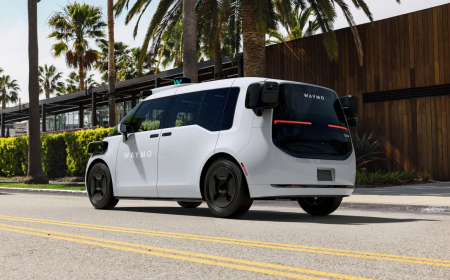
CEO Elon Musk has spent nearly a decade claiming Tesla vehicles were just a software update away from becoming fully autonomous. Now, Tesla appears closer than ever to rolling out a service intended to compete directly with Waymo, the Alphabet-owned company Musk said last week “never really had a chance against Tesla.”
This step is expected to intensify scrutiny of Tesla’s testing in Austin, particularly once the company starts offering public rides in empty vehicles. Tesla’s small test fleet has been involved in at least seven crashes since June. However, limited information is available about these incidents due to Tesla’s extensive redactions in reports submitted to the National Highway Traffic Safety Administration.
Over the weekend, video footage of an empty Tesla Model Y driving autonomously in Austin circulated on social media. On Sunday, Musk confirmed that the company is testing vehicles “with no occupants.” Neither Musk nor Tesla has said when customers will be allowed to ride in fully driverless cars. A post from Tesla’s official X account hinted at the timeline: “Slowly, then all at once.” Tesla’s head of AI, Ashok Elluswamy, added: “And so it begins!”
Tesla first began offering Robotaxi rides in Austin in June to a small group of influencers and selected customers, with an employee in the passenger seat prepared to intervene. In September, those monitors took the lead. Tesla has since removed the waitlist and expanded the service area to cover much of the Austin metropolitan region. Still, by most counts from enthusiasts, the fleet never exceeded 25 to 30 vehicles.
Musk has repeatedly stated that Tesla plans to operate its own Robotaxi fleet. In July, he claimed the fleet would cover “half of the population of the U.S.” by year’s end — a prediction that has since been scaled back. By November, he said Tesla would merely double the current Austin fleet, bringing it to about 60 vehicles.
Tesla is also testing a ride-hailing service in the San Francisco Bay Area, using its advanced driver-assistance software with human drivers behind the wheel. California’s regulatory environment, however, requires Tesla to obtain multiple permits to offer fully driverless rides in the state. Texas has no such restrictions, giving Tesla greater autonomy to test and deploy the service.
Musk has also long promoted the idea that Tesla owners could one day add their personal vehicles to the Robotaxi network. In 2016, he asserted that every Tesla at the time included the necessary hardware for full autonomy—a claim that proved inaccurate and was later removed from Tesla’s website. Over the years, Tesla has revised its autonomy hardware multiple times, meaning millions of Teslas on the road today will require upgrades. Musk acknowledged this in January, saying many vehicles “will need to be upgraded.”
What's Your Reaction?
 Like
0
Like
0
 Dislike
0
Dislike
0
 Love
0
Love
0
 Funny
0
Funny
0
 Angry
0
Angry
0
 Sad
0
Sad
0
 Wow
0
Wow
0