
































Former Tesla engineer’s startup partners with Pronto to automate copper mining operations
A startup founded by a former Tesla engineer is working with Pronto to automate a copper mine, highlighting the growing role of AI and autonomous tech in mining.
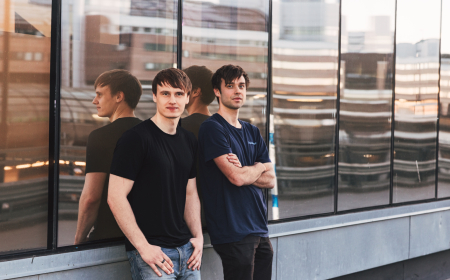
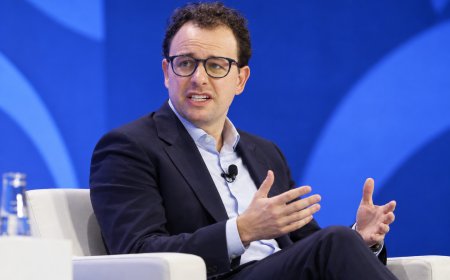
With growing focus on domestic manufacturing in the United States, attention often centres on factories and production lines. But for Turner Caldwell, who spent nearly ten years at Tesla, the bigger gap lies much earlier in the supply chain — at the level of raw minerals and metals.
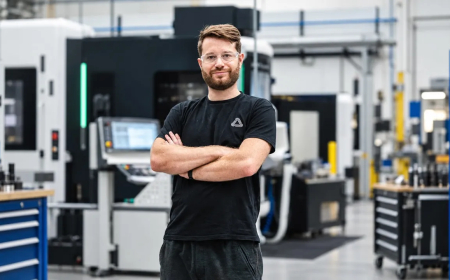
That perspective led him to leave Tesla and launch Mariana Minerals in 2024. The startup aims to modernise mining and refining operations with a strong emphasis on scalability. Caldwell's core objective is simple: increase the supply of refined metals entering the ecosystem. To achieve this, Mariana is working to automate nearly every aspect of mining operations.
A major step in that direction involves vehicle automation. Mariana Minerals recently announced a partnership with Pronto, a company known for building self-driving systems for haulage trucks and other off-road vehicles used in mining and construction environments.
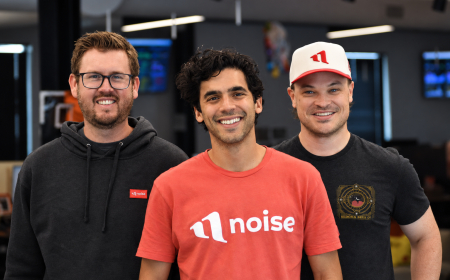
This marks the first agreement Pronto has made since being acquired by Atoms, a new robotics-focused initiative led by Travis Kalanick. The deal also reconnects Kalanick with Pronto founder Anthony Levandowski, who previously worked on self-driving projects at Google and later founded Otto, which Uber acquired in 2016.
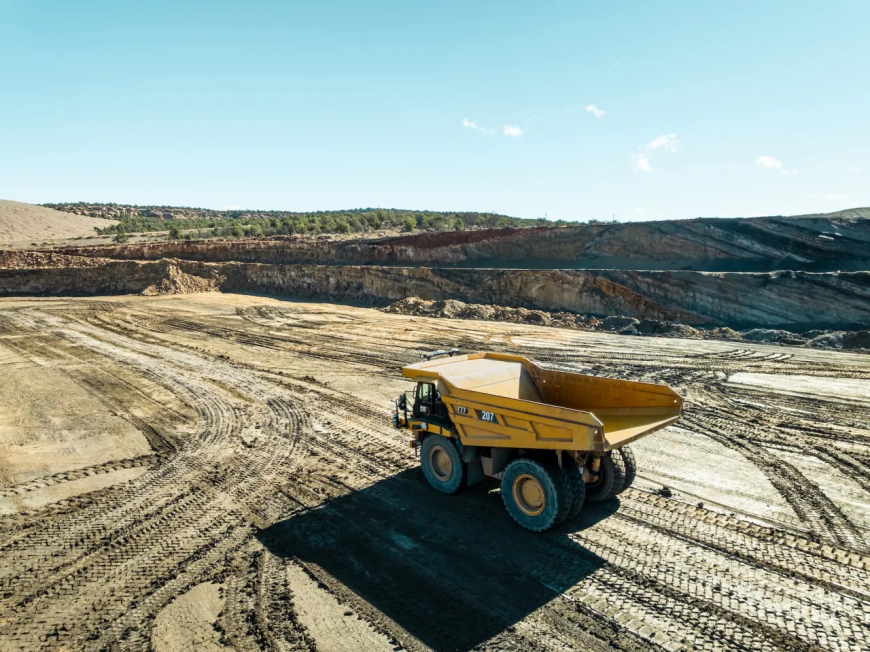
Under the new partnership, autonomous haulage trucks are set to begin operating at Copper One, a previously inactive copper mine in Utah that Mariana acquired last year. While the financial terms of the agreement have not been disclosed, the collaboration goes beyond simply deploying driverless vehicles.
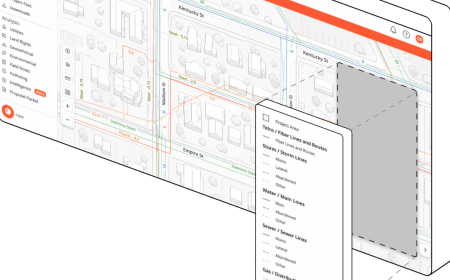
Caldwell explained that Pronto's autonomous driving system will be integrated directly into Mariana's proprietary mining software platform, known as "MineOS." This integration will allow the system to automatically dispatch trucks, plan routes, and coordinate operations without requiring human intervention.
This approach reflects Caldwell's broader vision for the future of mining. He envisions a fully connected system in which multiple software platforms, powered by reinforcement learning, manage and optimise operations across an entire mine.
According to Caldwell, traditional mining companies have been slow to adopt new technologies. He compared them to legacy industries that lagged behind innovators such as Tesla in automotive, SpaceX in aerospace, and Anduril in defence technology. In his view, the lack of technology adoption stems from operational teams having little incentive to change established workflows when current systems meet their targets.
This reliance on outdated processes, he argues, limits production capacity and leaves efficiency gains untapped. More importantly, Caldwell believes it presents a long-term challenge.
He pointed out that Western mining companies are not building enough new infrastructure, making the industry less attractive to new talent. As a result, the workforce is shrinking, forcing companies to do more with fewer resources. Mariana's software-driven model is designed to address this issue by improving productivity and reducing reliance on manual processes.
While this strategy could clearly benefit Mariana, Caldwell noted that the company may eventually offer its coordination software to other mining operations once it has been proven in real-world conditions. However, he emphasised that this is not the primary focus.
For Caldwell, the main business remains producing and selling metal, not software. He argued that if a company is already building the coordination layer for operations, it makes more sense to integrate vertically and control the entire production process fully rather than simply licensing technology.
He compared this philosophy to SpaceX, suggesting that it would not have achieved its scale if it had only sold landing software to NASA instead of building and operating its own rockets.
Owning and operating mining sites also plays a crucial role in developing Mariana's technology. Caldwell explained that direct control enables access to high-quality operational data, which is essential for training reinforcement learning systems. Over time, this data-driven approach could lead to insights and decisions that are difficult for humans to identify.
He likened this to breakthroughs in artificial intelligence, such as DeepMind's AlphaGo, which began making unexpected yet highly effective moves after training on large datasets.
Despite the emphasis on automation, Caldwell stressed that the goal is not to eliminate human workers from mining operations. Instead, he believes that automation will help expand opportunities in the sector.
While automation may reduce certain labour costs, he said the real objective is to increase productivity within a limited workforce. By making mining operations more efficient, Mariana could enable more mines to operate, ultimately creating additional jobs rather than replacing them.
What's Your Reaction?
 Like
0
Like
0
 Dislike
0
Dislike
0
 Love
0
Love
0
 Funny
0
Funny
0
 Angry
0
Angry
0
 Sad
0
Sad
0
 Wow
0
Wow
0