






































StubHub agrees to $10M settlement over FTC claims of deceptive ticket pricing
StubHub will pay $10 million to settle FTC allegations of deceptive ticket-pricing practices, raising concerns about transparency in online ticket sales.
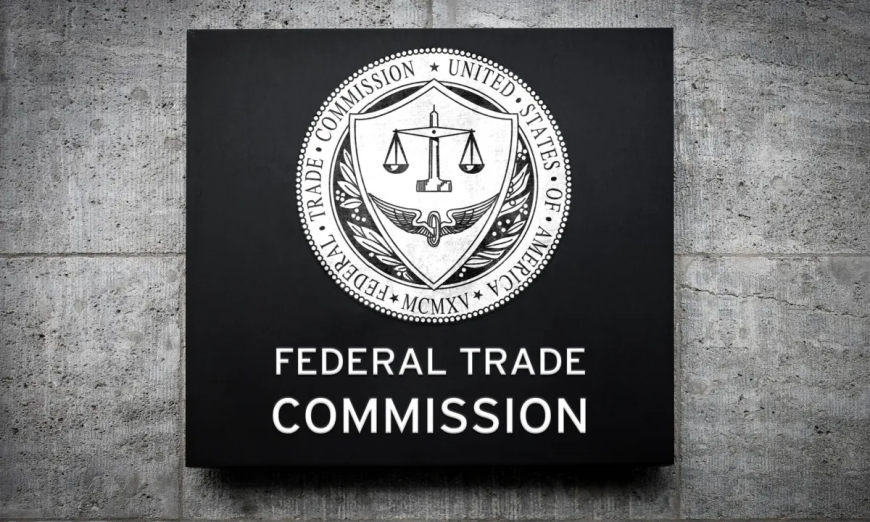
StubHub has agreed to pay $10 million to resolve claims brought by the Federal Trade Commission alleging it failed to disclose the full cost of tickets to consumers clearly.
According to a proposed settlement filed on Thursday, the FTC alleged that StubHub violated both the FTC Act and its Rule on Unfair or Deceptive Fees by advertising ticket prices on its platform without transparently showing the total cost upfront, including mandatory fees.
The agency introduced stricter pricing transparency requirements for ticket marketplaces in May 2025, mandating that full prices be displayed throughout the purchasing process. The FTC’s complaint states that after these rules took effect, StubHub continued to list ticket prices without fully disclosing all associated charges.
FTC Chair Andrew Ferguson said he was disappointed by the company’s actions, particularly given its prior experience and public support for the rule. He noted that the company allegedly delayed compliance because of the anticipated surge in traffic tied to the release of the NFL regular-season schedule, which the complaint described as a “99th percentile traffic event.” According to the agency, executives believed the competitive advantage gained from not fully disclosing fees outweighed the potential risks.
The FTC sent a warning letter to StubHub on May 14, 2025, after which the company corrected the issue the following day.
The $10 million settlement amount corresponds to what the FTC identified as three days of noncompliance. The funds will be used to return what the agency described as “ill-got” profits to affected consumers as fee refunds.
In response, StubHub said it has long supported transparent, all-in pricing for customers. A company spokesperson stated that the settlement relates to a limited set of transactions over a short period in May 2025, during which some listings may have displayed prices excluding fees. While the company disagrees with the FTC’s interpretation of the case, it confirmed it will issue partial refunds to impacted buyers.
This case is part of a broader enforcement effort by the FTC targeting ticketing practices. In a separate action last September, the agency filed a lawsuit against Ticketmaster and its parent company Live Nation, accusing them of deceptive pricing and resale tactics. Those companies have since asked a federal judge to dismiss the case.
Earlier this August, the FTC also took legal action against a Maryland-based ticket broker for allegedly using unlawful methods to circumvent purchase limits for high-demand events, such as Taylor Swift’s Eras Tour, and resell them at significantly inflated prices.
What's Your Reaction?
 Like
0
Like
0
 Dislike
0
Dislike
0
 Love
0
Love
0
 Funny
0
Funny
0
 Angry
0
Angry
0
 Sad
0
Sad
0
 Wow
0
Wow
0